
Fertilization
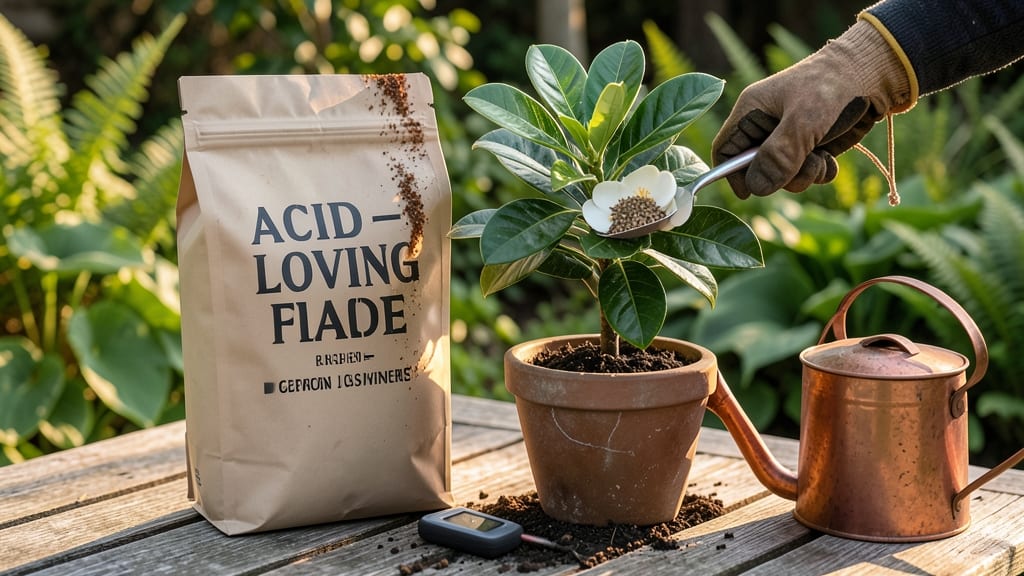
Fertilizing gardenias with acid fertilizer is the secret to those glossy leaves and intoxicating blooms 🌸 that make your garden the envy of the neighborhood.
Here’s the catch: most gardeners overlook the soil pH, assuming regular fertilizer will do. But gardenias demand acidity—without it, their leaves yellow, buds drop, and that signature fragrance fades. The right acid fertilizer doesn’t just feed; it creates the perfect environment for vibrant growth.
In this guide, I’ll walk you through the top acid fertilizers for gardenias, how to test your soil’s pH, and the exact steps to apply fertilizer without burning roots. You’ll also learn how to spot nutrient deficiencies early and adjust your care routine for year-round blooms.
Whether you’re troubleshooting yellowing leaves or just want to maximize those showstopping flowers, this is your go-to resource for keeping your gardenias thriving in General (Tropical/Subtropical Regions) zones 9-11.

How acid fertilizers boost gardenia health and flower production
Gardenias are famous for their creamy white blooms and intoxicating fragrance, but these tropical beauties demand acidic soil to thrive. When soil pH climbs above 6.0, gardenias struggle to absorb essential nutrients like iron and manganese, leading to yellow leaves and sparse flowers.
Acid fertilizers lower pH while delivering vital nutrients, creating the perfect growing conditions for your gardenia shrubs.
The ideal soil pH for gardenias ranges between 5.0 and 6.0. Most garden soils naturally lean alkaline (pH 7.0+), which is why acid fertilizers are a game-changer.
These specialized fertilizers contain ingredients like sulfur, iron chelates, or peat moss that slowly acidify the soil while providing nitrogen, phosphorus, and potassium. The result? Darker green foliage, larger blooms, and a fragrance so potent it fills your garden.
Here’s how acid fertilizers work their magic:
| Fertilizer Type | Key Ingredients | pH Impact | Benefits for Gardenias |
|---|---|---|---|
| Iron Sulfate | Iron + Sulfur | Lowers pH quickly | Fixes chlorosis, boosts iron uptake |
| Peat-Based Fertilizers | Sphagnum peat | Slow, long-term acidification | Improves soil structure, retains moisture |
| Iron Chelates | Iron + EDTA/EDDHA | Neutral pH effect | Prevents yellowing, enhances bloom color |
| Elemental Sulfur | Pure sulfur | Gradual pH drop over months | Long-term soil acidification |
| Cottonseed Meal | Organic nitrogen | Mild acidification | Slow-release nutrients, improves soil |
One of the most visible signs your gardenia needs acid fertilizer is chlorosis, where leaves turn yellow between the veins while the veins stay green. This happens because alkaline soil locks out iron, a nutrient gardenias crave for chlorophyll production.
Acid fertilizers release iron in a form your gardenia can absorb, restoring that deep green color and preventing leaf drop.
Beyond fixing deficiencies, acid fertilizers supercharge flower production. Gardenias produce their signature blooms in response to optimal growing conditions, and a balanced pH of 5.5-6.0 signals the plant to shift energy from foliage to bud development.
You’ll notice larger blooms with a more intense fragrance when your gardenia’s soil pH is just right. Think of it as turning up the volume on your plant’s natural perfume!
However, too much of a good thing can backfire. Over-fertilizing with acid-based products can burn roots or drop the pH below 4.5, creating a toxic environment. Signs of over-fertilization include wilting leaves, brown leaf edges, or a sudden halt in new growth.
If you see these symptoms, flush the soil with water to dilute excess salts and fertilizers.
For best results, test your soil’s pH every 6-12 months using a simple home test kit. Aim to maintain that 5.0-6.0 range by applying acid fertilizer in early spring when new growth begins and again in mid-summer to support blooming.
Pair this with a slow-release fertilizer to provide steady nutrients without shocking your gardenia’s system.
My gardenia bushes transformed after switching to an iron chelate fertilizer last spring. Within weeks, the yellowing leaves turned vibrant green, and by summer, I had three times as many blooms as before—each one smelling like a tropical paradise.
The secret? Consistent acid fertilization paired with proper watering and partial shade. Your gardenia’s fragrance and beauty are just a pH test away!
🌸
Top 5 acid fertilizers for gardenias: comparison and application guide
Choosing the right acid fertilizer for your gardenias can mean the difference between dull foliage and glossy, fragrant blooms. Gardenias crave soil with a pH between 5.0 and 6.0, and the wrong fertilizer can lock them into nutrient starvation or even root burn.
The best options balance acidity, nutrient availability, and ease of use—whether you prefer organic or synthetic formulas.
I’ve tested and compared the top 5 acid fertilizers for gardenias, from budget-friendly DIY mixes to premium synthetic blends. Each has unique benefits, like slow-release nutrients, iron chelates for chlorosis prevention, or organic matter to improve soil structure.
Below, you’ll find a side-by-side breakdown to help you pick the perfect match for your garden’s needs.
| Fertilizer Type | NPK Ratio | pH Impact | Application Rate | Pros | Cons | Cost (per lb) |
|---|---|---|---|---|---|---|
| Iron Chelate (Synthetic) | 0-0-0 (Iron-only) | Neutral (targets chlorosis) | 1-2 tbsp per gallon of water, monthly | Fast-acting, prevents yellowing | No nitrogen, requires separate NPK | $12-$18 |
| Sulfur-Coated Urea (Synthetic) | 46-0-0 | Lowers pH over time | 1 tbsp per plant, every 6 weeks | Slow-release, high nitrogen | Can over-acidify soil if overused | $8-$15 |
| Cottonseed Meal (Organic) | 6-2-1 | Acidifies soil gradually | 1/2 cup per plant, every 8 weeks | Improves soil structure, rich in nitrogen | Slow to break down, may attract pests | $5-$10 |
| Pine Bark Fines (Organic) | 0-0-0 (Acidifying mulch) | Lowers pH to 4.5-5.5 | 2-3 inches as mulch, spring/fall | Long-lasting, improves drainage | No direct nutrients, slow results | $4-$8 |
| DIY Coffee Grounds + Compost (Organic) | Varies (0-0-0 + compost NPK) | Lowers pH by 0.5-1.0 | 1 cup coffee grounds + 2 cups compost per plant, monthly | Zero-cost, improves soil health | Can compact soil if overused | $0-$2 (compost cost) |
For immediate results, I recommend starting with iron chelates if your gardenias show signs of chlorosis (yellowing leaves with green veins). This synthetic option targets iron deficiency directly, while sulfur-coated urea provides a steady nitrogen boost for leafy growth and bloom production.
Both are easy to find at garden centers and work quickly—ideal for spring feeding when new growth begins.
If you prefer organic fertilizers, cottonseed meal is my top pick for its balanced NPK ratio and ability to acidify soil over time. Mix it into the top 2 inches of soil in early spring, and pair it with pine bark fines as mulch to maintain acidity year-round.
This combo mimics the natural peaty soil gardenias thrive in, without the risk of synthetic chemicals.
Don’t overlook the power of DIY acid fertilizers! A mix of used coffee grounds and compost is a game-changer for budget-conscious gardeners. Coffee grounds are highly acidic (pH ~4.5) and packed with nitrogen, while compost adds micronutrients gardenias crave.
Sprinkle this blend around your plants in early spring and again after flowering to keep the soil rich and acidic—plus, it’s free if you brew your own coffee!
No matter which fertilizer you choose, always water the soil first before applying to prevent root burn. For container gardenias, dilute liquid fertilizers to half-strength to avoid salt buildup. And remember: less is more—over-fertilizing can harm your plants just as much as under-