
Light Requirements
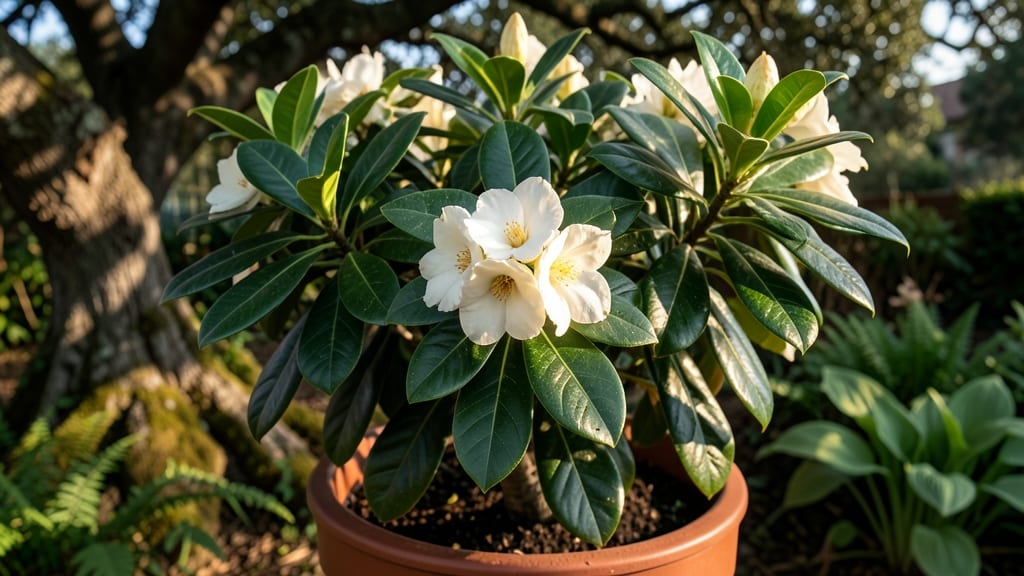
Gardenias growing in shade is possible with the right adjustments—these fragrant shrubs 🌸 can adapt to lower light, but their blooms and health depend on how you optimize their environment.
Picture this: your gardenia’s glossy leaves are thriving, but the flowers refuse to appear, or they’re sparse and lack fragrance. That’s often a sign it’s not getting enough light—or the wrong kind of shade.
The key isn’t just any shade; it’s partial shade with bright, indirect light for at least 4-6 hours daily.
Here’s the game-changer: even in shadier spots, you can boost blooms by tweaking soil acidity, pruning strategically, and choosing the right gardenia variety. Some, like ‘Radicans,’ handle shade better than others, and a few simple tricks—like placing them near an east-facing window—can make all the difference.
In this guide, I’ll walk you through how to assess your shade levels, the best soil prep for low-light gardenias, and 3 proven tips to coax those signature white blooms—even when sunlight is scarce.


How much shade can gardenias tolerate before struggling?
Gardenias thrive in bright, indirect light but can adapt to shade—though their performance depends on the intensity and duration of low light. Most gardenias tolerate 3-6 hours of filtered sunlight daily, while full shade (less than 3 hours) risks sparse blooms and leggy growth.
The key is understanding your garden's shade type—dappled shade from trees is gentler than dense shade from buildings.
Think of gardenias like tea drinkers—they prefer partial shade (morning sun + afternoon shade) but can handle full shade temporarily if you adjust care. However, pushing them into deep, dark corners without compensation will lead to yellowing leaves and fewer fragrant blooms.
Let’s break down the thresholds so you can position your gardenias for success.
🌱 GARDENIA SHADE TOLERANCE SUMMARY
Notice how partial shade (4-6 hours of light) is the sweet spot for gardenias, delivering abundant blooms and glossy foliage. But even in light shade (3 hours or less), you can salvage your plant with fertilizer boosts and pruning.
The real red flag is full shade (0-2 hours), where gardenias often stop blooming entirely and develop weak stems.
Different gardenia varieties handle shade uniquely. For example, Cape Jasmine (Gardenia jasminoides)—the most common type—tolerates up to 50% shade but still prefers morning sunlight. Meanwhile, Veitchii gardenias (a climbing variety) can stretch into full shade but may produce smaller, less fragrant blooms.
Always check your specific variety’s light requirements before committing to a shady spot.
Watch for these shade stress signs in your gardenias:
- Yellowing leaves (chlorosis) from poor light absorption
- Sparse or no blooms (the plant focuses energy on survival)
- Leggy, weak stems (stretching toward any available light)
- Pale or dull foliage (lack of photosynthesis)
To maximize blooms in shade, try these light-boosting tricks:
- Place your gardenia near a reflective surface (like a white wall or mirror) to bounce indirect light.
- Use a grow light (12-14 hours daily) for indoor gardenias in dark corners.
- Rotate the pot quarter-turns weekly to ensure even light exposure.
- Trim overhanging branches to allow more filtered light to reach the plant.
Seasonal light changes also matter. In summer, gardenias in shade may thrive with afternoon shade from trees, while winter often brings less natural light.
If your gardenia’s blooms disappear in winter, it’s likely due to reduced light exposure—not poor care. Consider moving potted gardenias to a
Shade-proofing your gardenias: proven tips for thriving blooms
Even in shady spots, your gardenias can still produce fragrant blooms and lush foliage with the right adjustments. The key lies in understanding how to optimize their environment—from soil prep to seasonal light management. Let’s explore practical ways to help your gardenias thrive where sunlight is scarce.
Gardenias naturally prefer partial shade, but full shade can still work if you compensate with other care strategies. The secret? Amending soil, pruning strategically, and choosing shade-friendly companion plants. These tweaks can transform a struggling plant into a blooming beauty.
- Boost soil with organic matter like compost or peat moss to improve drainage and nutrient uptake. Aim for acidic soil (pH 5.0-6.5)—this is critical for root health in low light.
- Use mulch (pine bark or leaves) to retain moisture and regulate soil temperature, especially in hot, humid climates where shade can create heat stress.
- Prune in late winter to remove dead branches and encourage airflow, which reduces fungal risks common in shady, damp conditions.
- Plant tall, light-reflecting companions like bamboo or tall ferns nearby to bounce indirect light onto your gardenia’s leaves.
- Adjust seasonal light exposure: In winter, move potted gardenias to sunnier spots (like a south-facing window) to compensate for shorter daylight hours.
- Fertilize with acid-loving formulas (like 10-10-10) every 4-6 weeks during growing season to support energy-starved foliage in shade.
Don’t overlook the power of seasonal adjustments. In summer, when shade is densest, your gardenia may need extra hydration to combat heat stress. Water deeply in the morning to prevent fungal issues, and avoid wetting the leaves to preserve their glossy appearance.
For container gardenias, choose pots with drainage holes and use a lightweight, airy mix (like 50% peat moss and 50% perlite). This prevents root rot—a common problem in shady, waterlogged soil. Rotate pots every few weeks to ensure even light exposure.
With these shade-proofing strategies, your gardenias will reward you with more blooms and healthier growth, even in the gloomiest corners of your garden. The key is patience and consistency—your fragrant shrubs will thank you!