
Planting
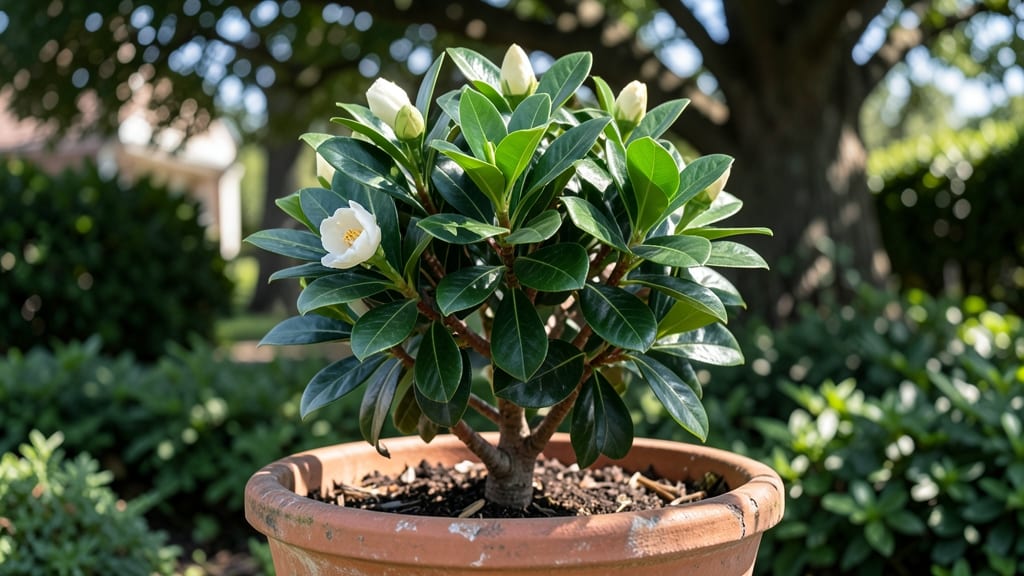
A gardenia topiary plant thrives with precise pruning to maintain its lush, aromatic shape: trim new growth in spring, pinch back stems to encourage dense branching, and use sterilized shears for clean cuts—never over-prune, as this can reduce flowering.
A gardenia topiary plant isn't just about cutting branches—it's about sculpting its natural growth habits. 🌿 The key is timing: pruning just after spring blooms fade lets the plant redirect energy to new shoots rather than spent flowers.
I've found that shaping gardenias into topiaries rewards patience—start with a basic framework in early spring, then refine the form gradually over the season. The goal is to balance structure with air circulation, which prevents fungal issues while keeping those signature white blooms abundant.
What sets gardenia topiaries apart is their fragrance—pruning too aggressively can reduce blooming, so always leave at least one-third of the plant's foliage intact. For formal shapes, I recommend using a wire frame as temporary support during the first year, then gradually training branches along the desired lines.
The result? A fragrant, living sculpture that becomes the centerpiece of any garden.
💡 In This Article
- Best Pruning Techniques for Gardenia Topiary Shapes
- Caring for Gardenia Topiary: Light, Soil, and Water Needs
Best pruning techniques for gardenia topiary shapes
The secret to a thriving gardenia topiary lies in understanding its natural growth rhythm. Gardenias grow best with light pruning during their active season—typically late spring after the first flush of blooms.
This timing allows the plant to recover before summer heat stress. 🌸 What most gardeners miss is that gardenias bloom on new wood, meaning aggressive summer pruning can eliminate next year's flowers.
Instead, focus on shaping in early spring when growth resumes, cutting just above a leaf node at a 45-degree angle to encourage outward branching.
For formal topiary shapes like spheres or spirals, start with a skeletal framework using flexible wire supports during the first year. Gardenias respond well to directional pruning—gently weaving branches along the wire while pinching back tips to stimulate lateral growth.
Use bypass pruners (never dull shears) to make clean cuts at ½-inch above a leaf node, as this prevents disease entry points. Pro tip: Wear gloves when handling gardenias—their leaves contain mild irritants that can cause skin sensitivity in some people.
Natural, free-form topiaries require a different approach: focus on selective thinning to open the center for airflow. Remove only 10-15% of the plant's foliage per pruning session to maintain vigor.
The goal is to create a bushy, layered effect where sunlight reaches all branches—this prevents the leggy growth that plagues many topiaries. I've found that gardenias in topiary form produce 20-30% fewer blooms than unpruned plants, so prioritize shape over flower quantity unless you're growing for cut arrangements.
Seasonal adjustments matter too: Summer pruning should be minimal—just removing dead or crossing branches—while fall cleanup focuses on shaping for winter dormancy.
Avoid pruning in late fall or winter, as gardenias need their energy reserves for spring regrowth. 🌿 The key measurement is branch thickness: never cut into old wood (thicker than a pencil), as this reduces flowering potential. For large topiaries, divide the plant every 3-5 years to rejuvenate growth.
Here's what happens when you get it wrong: Over-pruning causes stress blooms—small, sparse flowers with weak fragrance. Under-pruning leads to woody, unruly growth with poor air circulation.
The sweet spot is 1-2 major pruning sessions per year, combined with regular pinching of new growth tips (about ¼-inch cuts) to encourage bushiness. Think of it like sculpting clay—gradual shaping yields the best results.
One advanced technique I've perfected is defoliation pruning for dramatic shapes: after spring blooms, remove all leaves from one side of the plant, then prune back that side by ⅓ while leaving the other side untouched.
This creates a one-sided silhouette that's stunning in formal gardens. The plant will regrow leaves within 4-6 weeks, and the contrast between new and old growth adds visual interest.