
Planting
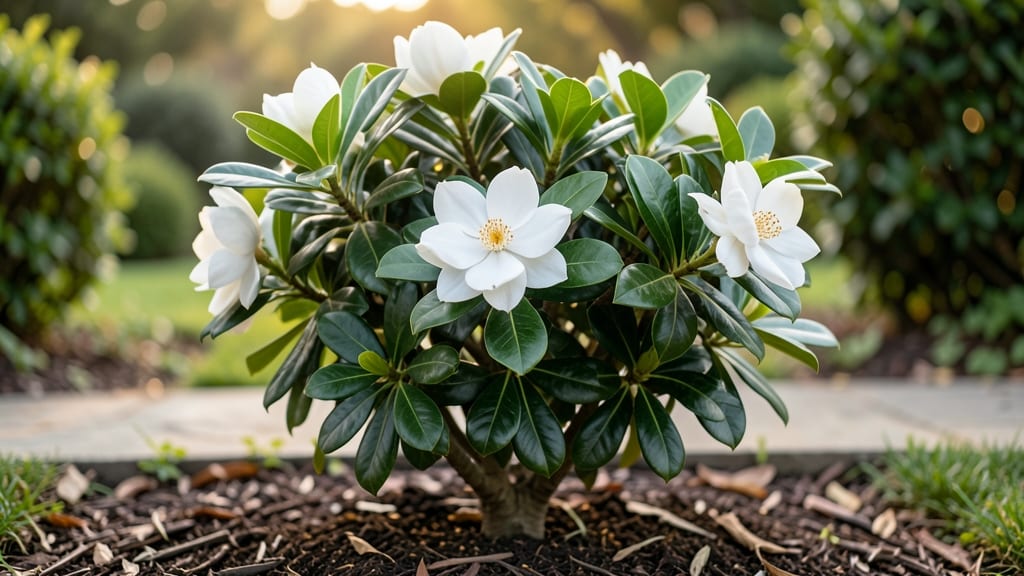
Gardenia plants can thrive in Zone 5 when you choose frost-resistant varieties and implement winter protection techniques like heavy mulching and microclimate sheltering.
Zone 5 gardeners can successfully grow gardenias by selecting cold-tolerant cultivars like 'Radicans' or 'Kleim's Hardy', which have evolved to handle brief cold snaps down to 10°F.
These varieties feature thicker foliage and deeper root systems that help them recover from winter stress. 🌿 The key to their survival lies in creating a protective barrier around the roots and shielding the plant from harsh winds, which can cause more damage than the cold itself.
For best results, plant gardenias in south-facing locations where they can benefit from afternoon sun and natural warmth. If you're growing in containers, move them to a sheltered spot or bring them indoors before temperatures drop below 30°F.
A thick layer of mulch—at least 4-6 inches—will help insulate the roots and prevent freeze-thaw cycles that can damage the plant structure.
💡 In This Article
- Cold-Hardy Gardenia Varieties for Zone 5 Climates
- Winter Care Strategies to Protect Gardenias in Zone 5
Cold-hardy Gardenia varieties for Zone 5 climates
Zone 5 gardeners can successfully cultivate gardenias by selecting specialized cold-hardy cultivars that have evolved unique survival traits. The most reliable options include Gardenia jasminoides 'Kleim's Hardy', which boasts a USDA hardiness rating of Zone 7-10 but can tolerate brief dips to 10°F with proper protection.
This variety features thicker, waxy leaves that act as a natural barrier against cold damage, along with a more robust root system that stores nutrients for recovery.
The Gardenia 'Radicans' stands out for its trailing growth habit, making it ideal for container gardening where you can easily move it indoors during winter. Unlike tropical gardenias that die back at 32°F, these cold-hardy types enter a dormancy phase, conserving energy until spring.
Their flowers—though slightly smaller than tropical varieties—maintain the signature creamy white blooms and intoxicating fragrance that gardeners love.
What sets these varieties apart is their genetic adaptation to partial shade tolerance, allowing them to thrive in Zone 5's shorter growing seasons. For example, 'Kleim's Hardy' can handle 50-70% shade during peak summer heat, which helps prevent leaf scorch while still producing abundant blooms.
This adaptability makes them far more resilient than tropical gardenias that require full sun and consistent warmth.
The key difference lies in their cellular structure: cold-hardy gardenias produce higher concentrations of antifreeze proteins in their cells, similar to how some trees survive winter.
These proteins prevent ice crystal formation that would rupture cell walls at freezing temperatures. 🌱 While they won't survive prolonged sub-zero conditions, their ability to recover from light frosts makes them perfect for Zone 5's 10-20°F winter lows when properly protected.
When selecting plants, look for well-established 2-3 year old specimens from reputable nurseries, as younger plants are more vulnerable to winter stress. These mature plants have developed stronger root systems capable of anchoring through freeze-thaw cycles.
The trade-off? They may require 1-2 years of establishment before reaching their full blooming potential in Zone 5 conditions.
For visual identification, cold-hardy gardenias typically have darker green foliage compared to tropical varieties, with slightly broader leaves that measure 3-5 inches long. The flowers maintain the classic gardenia shape but often appear slightly more compact to conserve energy during colder months.