
How To
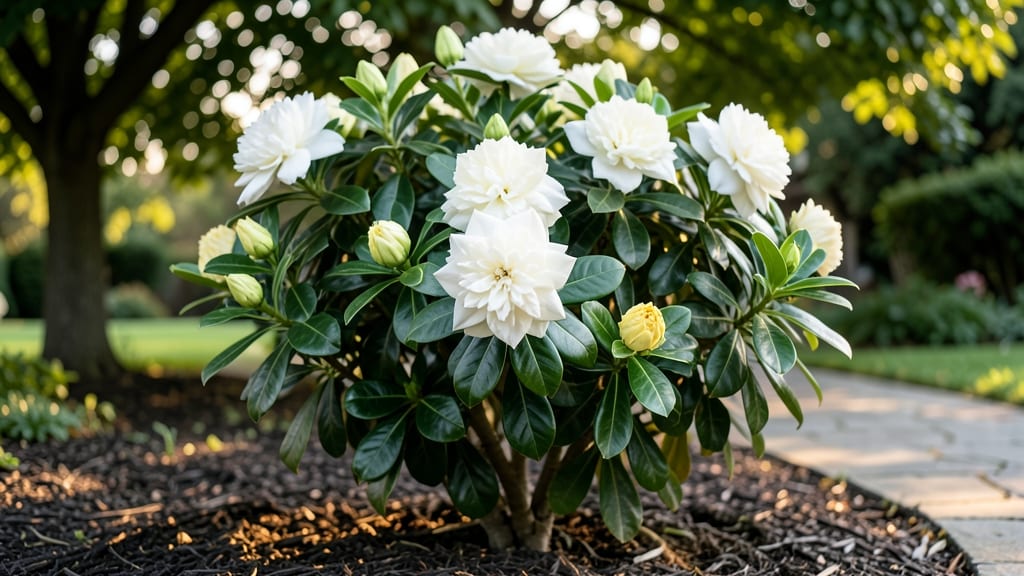
Gardenia blooms typically last 3 to 7 days—a fleeting but fragrant spectacle that makes every moment count 🌸. If you’ve ever marveled at their intoxicating scent but wondered why they vanish so quickly, you’re not alone.
These delicate flowers thrive on precision care, and small tweaks in sunlight, water, or soil can turn their short display into weeks of beauty.
The key to longer-lasting gardenias lies in their environment. Too much sun or heat can wilt blooms in just 24 hours, while proper shade and humidity stretch their lifespan to its fullest.
Even the variety matters—some gardenias, like the Clem’s Cascade, hold their petals nearly twice as long as others.
But here’s the secret most gardeners miss: repeat blooming isn’t just luck. With the right pruning after each flush and a balanced fertilizer schedule, you can coax gardenias into multiple bloom cycles per season, not just one.
I’ll show you exactly how—from soil pH to the best time to trim—so you never have to say goodbye to those creamy-white charmers too soon.
Ready to turn your gardenias into year-round stars? Let’s dive into the care habits that keep their fragrance lingering long after the petals fall.
Gardenia bloom duration: how long each flower lasts indoors vs. outdoors
Understanding how long gardenia blooms last can transform your gardening experience. Each delicate gardenia flower typically lasts just 3 to 7 days at peak freshness, but with the right care, you can extend their display and even encourage repeat blooming.
The key lies in their environment—whether they thrive indoors in pots or outdoors in garden beds.
Indoor gardenias often have shorter bloom cycles due to controlled conditions, while outdoor plants benefit from natural humidity and airflow. Temperature fluctuations, light exposure, and humidity levels all play critical roles in determining how long your gardenias stay in bloom.
Let’s break down the specifics to maximize their fragrant display.
| Factor | Indoor Potted Gardenias | Outdoor Garden Beds |
|---|---|---|
| Bloom Duration | 3–5 days | 5–7 days |
| Ideal Light | Bright indirect (east window) | Partial shade (4–6 hrs sun) |
| Humidity Needs | 50–60% (use humidifier) | 60–70% (natural) |
| Temperature Range | 65–75°F (avoid drafts) | 60–85°F (tolerates range) |
| Watering Frequency | Every 5–7 days (check soil) | Weekly (deep soak) |
| Bloom Extension Tip | Mist leaves daily + prune spent blooms | Mulch base + trim dead flowers |
Indoor gardenias in pots often struggle with dry air from heating systems, which can shorten their bloom duration to just 3–5 days. To combat this, place a humidifier nearby or group plants together to create a microclimate.
I’ve found that maintaining 50–60% humidity can add an extra day or two to their display.
Outdoor gardenias, on the other hand, enjoy natural humidity and airflow, which extends their bloom time to 5–7 days. The partial shade they prefer—especially in hotter climates—helps preserve moisture in the petals.
If you notice blooms wilting prematurely outdoors, check for afternoon sun exposure, which can scorch delicate petals.
Temperature also plays a surprising role. Indoor gardenias thrive in 65–75°F ranges, while outdoor plants can tolerate 60–85°F. Sudden temperature drops below 60°F can cause blooms to drop prematurely. In my experience, moving potted gardenias to a sunroom or greenhouse during cooler months can prolong their flowering season.
Watering habits make a noticeable difference too. Overwatering is a common mistake that leads to root rot and shorter bloom cycles. For potted gardenias, I water every 5–7 days when the top inch of soil feels dry, while outdoor plants benefit from weekly deep watering at the base.
Always avoid wetting the leaves to prevent fungal diseases.
One of my favorite tricks to extend bloom duration is deadheading. Removing spent flowers promptly encourages the plant to produce new buds.
For indoor gardenias, I use clean sharp scissors to trim just above a leaf node, while outdoor plants respond well to a light pruning after each bloom cycle. This simple step can add 2–3 extra weeks to your gardenia’s flowering season.
Soil quality matters just as much as environmental factors. Gardenias thrive in acidic, well-draining soil with a pH of 5.0–6.5. If your gardenia’s blooms are sparse or short-lived, test your soil and amend it with peat moss or sulfur if needed.
I’ve seen dramatic improvements in bloom duration after adjusting soil pH in my own garden.
For gardeners in temperate climates, late spring and early summer are peak blooming seasons. During these months, gardenias can produce multiple bloom cycles if given proper care. In warmer regions, they may flower year-round with consistent moisture and protection from harsh sun.
Pay attention to your gardenia’s natural rhythm—it’ll tell you when to adjust care for optimal results.
If you’re growing gardenias in containers, choose pots with drainage holes and use a well-aerated potting mix. Stagnant water
Seasonal bloom cycles: when gardenias flower longest and how to trigger repeat blooms
Gardenias burst into their most fragrant display during spring and early summer, with peak blooming typically occurring between April and June in temperate climates. In warmer, tropical regions, they may flower year-round but often show stronger blooms during spring and fall when days are longer.
Understanding these natural cycles helps you anticipate their stunning displays and plan care routines accordingly.
Most gardenia varieties produce one primary bloom cycle per year, though with the right care, you can coax secondary blooms later in the season.
The key lies in recognizing their dormancy periods—usually in late summer or early fall—and using pruning and fertilizing strategies to break dormancy and encourage new growth. This approach transforms your gardenia from a one-time bloomer into a repeat performer.
- 3–7 days is the natural lifespan of each gardenia bloom. With ideal conditions, you can extend this to 10–14 days.
- Peak blooming occurs in spring (April–May) when days lengthen and temperatures rise.
- Tropical gardenias may bloom year-round but often peak in spring and fall.
- Secondary blooms can be triggered with light pruning after the first flush and balanced fertilization.
- Dormancy typically begins in late summer (August–September)—reduce watering and fertilizing to signal rest.
To extend your gardenia's bloom season, start by pruning after the first major flush in early summer. Cut back 1/3 of the oldest stems to encourage new growth, which often leads to a second bloom cycle in late summer or early fall.
This technique works best for mature gardenias (3+ years old) with established root systems. For younger plants, focus on light shaping prunes to avoid stress.
Fertilizing plays a critical role in repeat blooming. Use a balanced, acidic fertilizer (10-10-10 or 8-3-9) every 4–6 weeks during active growth (spring through early fall). Switch to a low-nitrogen, high-phosphorus formula (5-10-10) in late summer to promote flowering.
Always fertilize in the morning after watering to prevent root burn. In temperate climates, reduce fertilizing in late summer to mimic natural dormancy cues.
Climate adaptations are key for repeat blooms. In tropical zones (USDA 9–11), gardenias may bloom continuously if given consistent warmth, humidity, and partial shade. In temperate zones (USDA 7–8), focus on spring and fall blooms by protecting plants from early frosts.
Use mulch around the base to insulate roots and extend the growing season. For container gardenias, move pots to protected locations in fall to shield them from cold snaps.
Watch for signs of stress that can shorten bloom cycles, like yellowing leaves (overwatering) or bud drop (low humidity). Increase humidity with a pebble tray or misting during dry spells, and ensure well-draining, acidic soil (pH 5.0–6.5).
With these adjustments, you’ll transform your gardenia from a one-season star into a year-round fragrance machine. 🌸