
Pests
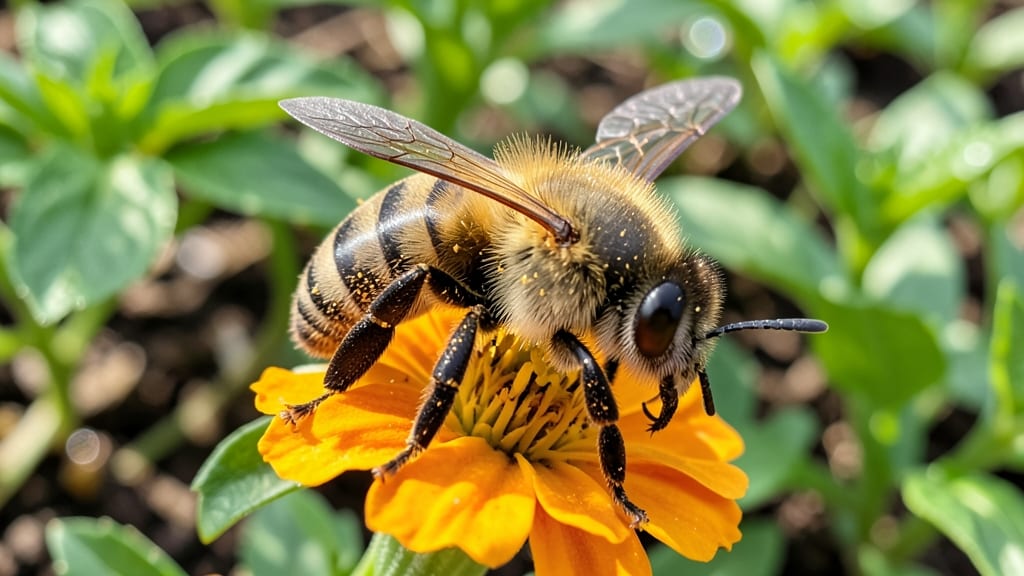
Identifying insects in garden identification is the first step to protecting your plants—and your sanity—from the tiny troublemakers 🔍 that can turn a thriving garden into a buffet.
Struggling to tell whether that speck on your basil is a helpful ladybug or a ravenous aphid? Misidentifying pests can mean the difference between saving your plants and losing them entirely.
This guide breaks down the visual clues, behaviors, and habitats of the most common garden insects, so you can act fast before they multiply.
From the tiny but destructive Japanese beetle to the beneficial lacewing larvae, we’ll cover what each insect looks like, where they hide, and how they impact your garden. No more guessing—just clear, actionable insights to keep your garden thriving.
Ready to become the detective your garden needs? Dive into the visual guide, learn how to spot the good guys from the bad, and discover easy, chemical-free solutions tailored to each pest. Your plants will thank you!
How to identify common garden insects by visual features
Spotting tiny creatures crawling on your plants can send shivers down your spine—but knowing what you're looking at is the first step to protecting your garden. Color, size, and body shape are your best tools for quick identification.
For example, a green, pear-shaped body with antennae likely means aphids, while black wings and yellow stripes scream "Japanese beetle alert!" Let's break down the most common garden insects you'll encounter, so you can act fast and save your plants.
Start by examining the body shape and color first—this narrows it down instantly. Aphids are soft-bodied and clustered, while ladybugs have rounded, spotted shells.
Next, check the size and wing patterns: beetles often have hard, shiny wings, while flies are softer with clear or striped wings. Finally, observe their habitat and behavior, like whether they're chewing leaves or sucking sap—this tells you their damage type and how to respond.
Here’s a quick reference table to help you spot the most frequent garden insects at a glance: