
Tools
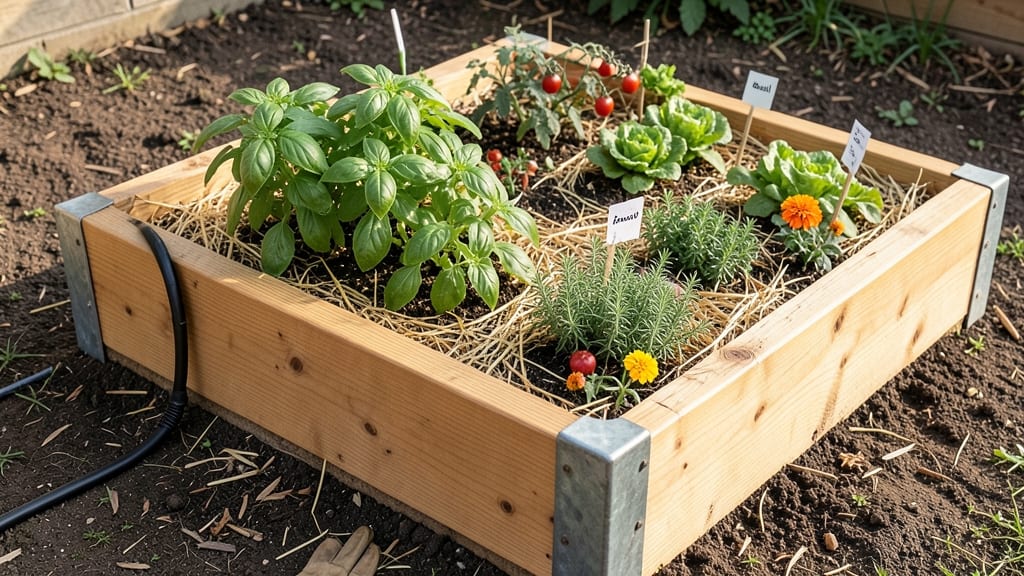
A raised patio garden bed transforms limited outdoor space into a thriving growing area by using elevated frames filled with nutrient-rich soil. Opt for 6-12 inches in height for proper drainage, choose rot-resistant materials like cedar or composite lumber, and ensure 12+ inches of soil depth for healthy root development. Design dimensions to fit your patio while accommodating plant spacing and sunlight requirements.
A raised patio garden bed isn't just about creating a pretty planter—it's about maximizing your growing potential in small spaces. 🌱 The elevated design improves drainage and prevents soil compaction, which is especially helpful if your patio has poor-quality soil underneath.
I always recommend adding a landscape fabric barrier between the bed frame and existing ground to block weeds while allowing water to penetrate. For materials, cedar and redwood naturally resist rot, while composite options require less maintenance but come at a higher cost.
The key to success lies in balancing height (for drainage) with soil depth (for roots) while keeping accessibility in mind—you don't want to strain your back reaching into a bed that's too deep!
When planning your layout, consider the mature size of your plants. Tall varieties like sunflowers or tomatoes should go in the back, while shorter herbs and lettuces can line the front. 🌻 This vertical layering creates visual interest while making the most of your patio's footprint.
Pro tip: If you're working with limited space, try a narrow but deep bed (like 3 feet wide) rather than a wide, shallow one—it's easier to reach the center for weeding and harvesting.
💡 In This Article
- Choosing the Right Materials for Durable Raised Garden Beds
- Step-by-Step Guide to Designing and Planting a Patio Garden Bed
Choosing the right materials for durable raised garden beds
When selecting materials for your raised patio garden bed, the first consideration is rot resistance—especially important since wood will constantly absorb moisture from soil and rain.
Cedar and redwood are top choices because their natural oils (like thujaplicin in cedar) repel fungi and insects, lasting 15-20 years with minimal treatment.
Pressure-treated pine, on the other hand, contains chemicals like ACQ (alkaline copper quaternary) that prevent decay but may leach into soil over time, potentially affecting sensitive plants like leafy greens or herbs. 🌲 For chemical-free options, composite lumber (made from recycled wood fibers and plastic) offers durability without leaching, though it costs 2-3x more than traditional wood.
The height and width of your bed also influence material selection. For beds under 12 inches tall, cedar or redwood planks (typically 2x6 or 2x8) work well, while taller beds (up to 3 feet) need sturdier framing—often 4x4 posts at the corners with horizontal supports.
Metal beds (like galvanized steel) provide longevity but can overheat in direct sun, requiring insulation layers to protect roots. Pro tip: If using wood, avoid pressure-treated lumber for edible gardens unless you opt for ground-contact rated options with minimal leaching risks.
Material choice directly impacts soil chemistry over time. Untreated wood gradually breaks down, enriching soil with organic matter as it decomposes—a boon for long-term gardens. However, this process takes years, so if you're impatient, composite materials or metal frames won't contribute to soil fertility.
For urban patios with poor soil, consider wood frames with removable sides—this lets you replace worn planks without disturbing the soil ecosystem you've built. 🌿 The trade-off? Composites may lack the rustic charm of wood but offer near-zero maintenance.
Cost is another critical factor. A 6x4-foot cedar bed (12 inches tall) might cost $150-$250, while a composite version could run $400-$600. Metal beds (like those from Uncommon Goods) start around $300 but add longevity.
For budget-conscious gardeners, salvaged wood (like old barn wood) can work if pressure-washed and sealed with non-toxic linseed oil. Just ensure any treated wood meets FDA-compliant standards for edible gardens. The upfront investment pays off in reduced weeding (thanks to landscape fabric barriers) and extended usability.
Don’t overlook fasteners and hardware. Stainless steel or galvanized screws/nails prevent rust better than basic hardware, especially in humid climates. For extra stability, pre-drill holes to avoid wood splitting—a common mistake that weakens frames over time.
If your patio gets heavy foot traffic, consider interlocking bed designs or adding a plywood base to distribute weight evenly. This prevents sinking and keeps your garden level for consistent water drainage. 💧
For advanced gardeners, hybrid systems combine materials for optimal performance. For example, use cedar for the top edges (exposed to weather) and pressure-treated lumber for the bottom (buried or in contact with soil). This balances aesthetics, durability, and cost.
Always check local regulations—some areas restrict treated wood near edible plants. When in doubt, opt for certified organic wood or composite materials to align with eco-friendly gardening goals.