
Planting
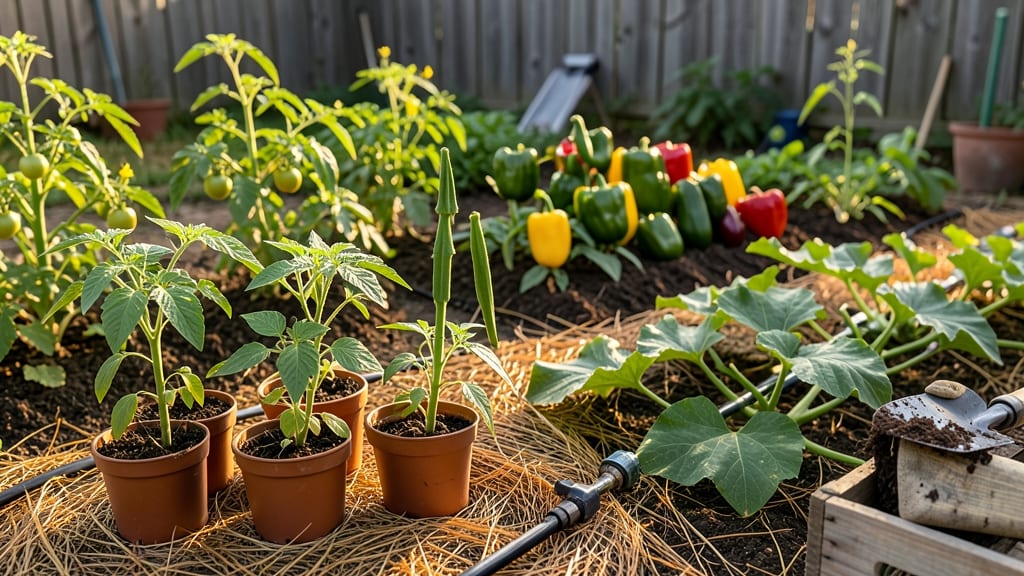
To plant a vegetable garden in Florida, timing your crops to the 9a-11 zone’s heat cycles is the key to avoiding wilted seedlings or bitter harvests.
Florida’s year-round growing season is a gardener’s dream—but timing is everything. Plant too early, and your vegetables wilt in the heat; too late, and you miss the sweet spot for harvest.
This isn’t just about avoiding frost (there isn’t much of that here). It’s about working with Florida’s two distinct growing seasons: the cooler months for leafy greens and root crops, and the blazing summer for heat-loving staples like tomatoes and peppers.
Below, I break down the exact months to plant your top Florida crops, how to stretch your harvests, and the one mistake that kills more gardens here than anything else.
Florida’s planting zones: when to start cool vs. heat-loving vegetables
Florida’s diverse microclimates mean your planting calendar should vary from North to South. While the entire state is officially USDA Zones 9a-11, temperature swings—especially between cool coastal breezes and inland heat islands—create distinct growing windows.
For example, North Florida’s occasional light frosts (Zone 9a) demand cooler-season prep, while South Florida’s tropical warmth lets you plant heat-loving crops year-round.
Mastering these zones starts with understanding two key groups: cool-season vegetables (like broccoli and lettuce) that thrive in 60–75°F and heat-tolerant varieties (such as okra and sweet potatoes) that flourish above 80°F.
Below, I’ll break down optimal planting windows for each Florida region, including frost-free dates and heat-wave prep tips to keep your garden thriving.
📌 PRO TIP: Use shade cloth (30–50%) for heat-sensitive crops during peak summer months (June–August) to protect young seedlings from intense sunlight and soil overheating.
| Region | Cool-Season Crops (Plant) | Heat-Tolerant Crops (Plant) | Key Notes |
|---|---|---|---|
| North Florida (Zone 9a) | Sept–Nov (fall) / Feb–March (spring) | March–May / Aug–Sept | Watch for light frost (rare but possible). Use row covers for winter crops. |
| Central Florida (Zone 9b) | Sept–Dec / Jan–March | Feb–June / Aug–Oct | Succession plant heat lovers every 2 weeks for continuous harvests. |
| South Florida (Zone 10a–11) | Aug–Sept (monsoon season) / Dec–Jan | Year-round (with shade in summer) | No frost risk—plant cool crops in shade during summer. |
| All Regions | Start seeds indoors 4–6 weeks before outdoor planting. | Direct-sow heat lovers after soil warms to 70°F+. | Use mulch to retain moisture and regulate soil temp. |
In North Florida, where Zone 9a can see brief frosts (especially in January), focus on fall planting for cool-season crops like kale and spinach. These thrive when daytime highs dip below 75°F.
For heat lovers, wait until March to plant tomatoes and peppers, as earlier plantings risk bolting (premature flowering) from warm nights.
Central Florida’s Zone 9b offers a longer window for both groups. Plant broccoli and carrots in September for a winter harvest, then transition to sweet potatoes and okra by March.
The key here is succession planting: Sow beans every 2 weeks from April to July to avoid gaps in your green harvest.
South Florida’s Zones 10a–11 are the most flexible, but heat stress can still be an issue. For cool crops, time plantings with monsoon rains (June–July) or winter dry spells (December–January).
Meanwhile, heat-tolerant crops like eggplant and peppers can go in year-round, but use shade cloth during peak summer (June–August) to protect young plants from scorching.
Regardless of your zone, soil temperature is your best guide. Use a soil thermometer to confirm 60°F+ for cool crops and 70°F+ for heat lovers. In North Florida,
Month-by-month planting schedule for Florida’s top 10 vegetables
Florida’s year-round growing season means you can grow vegetables almost anytime—but some crops thrive in specific windows. My top 10 Florida vegetables (tomatoes, peppers, beans, lettuce, carrots, okra, sweet potatoes, cucumbers, eggplant, and collard greens) each have ideal planting times to maximize yields and avoid heat stress.
Unlike northern gardens, Florida’s frost-free zones (9a-11) let you grow cool-season crops in winter and heat-loving crops in summer. The trick? Succession planting—replanting every 2-3 weeks—to keep your harvests flowing. Below, I’ll show you exactly when to plant each crop for continuous production.
For succession planting, I replant tomatoes every 2 weeks from March through October. This ensures I always have ripe fruit on the vine.
For example, if I plant a batch in early March, I’ll follow up with another in mid-March, late March, and so on—keeping my kitchen stocked with fresh tomatoes all summer.
Pro tip: Use shade cloth (30-50%) for heat-sensitive crops like lettuce in peak summer. I’ve seen bolt-resistant varieties like ‘Black Seeded Simpson’ lettuce thrive under shade during July and August. Pair this with drip irrigation to keep roots cool and moist.
Florida’s long growing season means you can grow almost anything, but the key is adjusting for heat and humidity. By following this schedule, you’ll avoid the pitfalls of planting too early or too late—and enjoy a year-round harvest of fresh, homegrown vegetables. 🌱