Planting
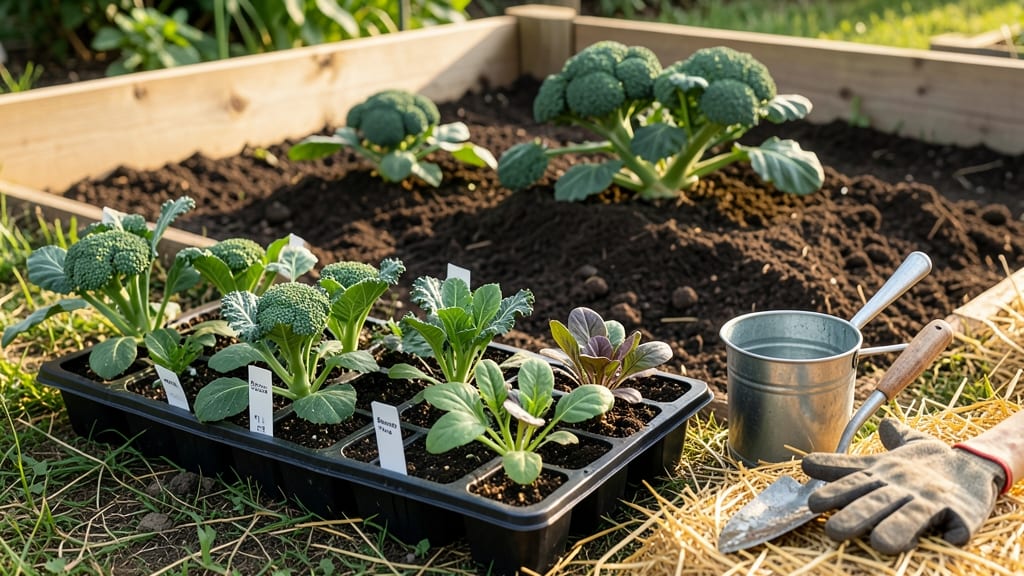
Planting a winter garden in Florida between September and November lets you beat the heat and harvest fresh 🥬 greens when most gardens are dormant.
But here’s the catch: Florida’s climate is a double-edged sword. Too early, and summer’s lingering heat will stunt your seedlings. Too late, and you’ll miss the sweet spot for frost-sensitive crops—even in North Florida.
The key is knowing the 6-8 week window that works for your zone, whether you’re in Miami or Tallahassee.
This guide breaks down the exact timing for heat-tolerant crops like collards, carrots, and turnips, plus soil prep tricks to give your plants the best start. We’ll also cover how to protect young plants from those pesky late-winter heat spikes that sneak up when you least expect them.
By the end, you’ll have a clear timeline, crop-by-crop tips, and the confidence to plant a winter garden that thrives—no matter how unpredictable Florida’s weather gets.
Florida’s winter planting zones and heat-tolerant crops timeline
Florida’s winter gardening success hinges on understanding its three distinct microclimates: North, Central, and South. Each zone offers unique temperature thresholds and frost risks that dictate your 6-8 week planting window for cold-hardy crops.
Unlike northern states, Florida’s winters rarely drop below 40°F, but late-season heat spikes can still stress young plants.
In North Florida (Zones 8a-9a), the first frost typically arrives by mid-December, giving you a tighter window to plant heat-tolerant crops like collards and turnips. Central Florida (Zones 9b-10a) enjoys frost-free winters, while South Florida (Zones 10b-11) can grow winter greens year-round with minimal protection.
Your planting timeline should align with soil temperatures dropping below 85°F—usually by mid-September in North Florida and early October in Central/South regions. This ensures strong germination before winter’s chill sets in.
Here’s your heat-tolerant crop timeline broken down by zone, featuring collards, kale, carrots, and turnips—all of which thrive in Florida’s winter conditions when planted at the right time.
For North Florida gardeners, prioritize collards and turnips—they handle brief cold snaps better than other greens. Plant seeds 4-6 weeks before your first frost (usually by October 15) to ensure mature harvests before temperatures dip below 35°F.
Central Florida’s longer frost-free season lets you extend planting into early November. Focus on heat-tolerant varieties like ‘Southern Giant’ collards or ‘Winter Density’ kale, which won’t bolt in mild winters. Mulch with straw or black plastic to maintain even soil temps.
In South Florida, you can plant winter greens year-round, but aim for October-November to avoid summer’s oppressive heat. Swiss chard and peas thrive here, even when daytime temps hover near 80°F. Use shade cloth (30-50%) for seedlings to prevent stress.
Pro tip: Monitor weekly temperature trends using your local Cooperative Extension Service alerts. A sudden heatwave above 85°F can stall germination—so adjust your planting date if forecasts show late-season warmth lingering.
Remember, Florida’s winter garden isn’t just about avoiding frost—it’s about managing heat spikes that can turn your seedlings into sad, wilty plants. With the right timing and crop selection, you’ll enjoy fresh collard greens by December and crisp carrots by February—no matter where you garden in the Sunshine State.
Step-by-Step guide to planting a thriving winter garden in Florida
Florida’s winter garden thrives when planted at the right time—typically between mid-September and early November. This window ensures your crops escape summer’s scorching heat while avoiding late-winter heat spikes that can stress young plants.
For North Florida, aim for late September to account for cooler temperatures, while South Florida gardeners can extend planting until mid-November due to milder winters.
Before planting, prioritize soil preparation to create the ideal growing environment. Winter crops like kale, carrots, and turnips thrive in well-draining, nutrient-rich soil with a slightly acidic pH (6.0-6.8). Amend your soil with compost or aged manure to improve fertility and structure.
Test your soil’s pH using a home test kit or send a sample to your local University of Florida Extension office for professional analysis.
- 🌱 Heat-tolerant greens: Collards, kale, mustard greens (thrive in 50-75°F soil temps)
- 🥕 Root vegetables: Carrots, beets, turnips (plant 6-8 weeks before first frost in North FL)
- 🌿 Cool-season herbs: Cilantro, parsley, dill (avoid planting basil or cilantro in summer)
- ✂️ Remove weeds and till the soil to a depth of 6-8 inches
- 🌿 Add 2-3 inches of compost or well-rotted manure
- 💧 Water thoroughly to settle amendments into the soil
- 📅 Stagger plantings every 2-3 weeks for continuous harvests (e.g., lettuce every 10 days)
- 🌱 Direct-sow seeds for carrots, beets, and radishes (avoid transplant shock)
- 🌿 Transplant kale, cabbage, and broccoli seedlings after hardening off for 5-7 days
- ☀️ Use shade cloth (30-50%) during 85°F+ days to prevent bolting
- 🌿 Apply 2-3 inches of mulch (straw or pine needles) to retain moisture
- 💧 Water deeply in the morning to reduce evaporation and fungal risks
- 🌡️ Watch for temperature drops below 30°F (use row covers in North FL)
- ✂️ Harvest leafy greens from the outer leaves to encourage regrowth
- 🌿 Fertilize lightly with 5-10-10 every 4-6 weeks for steady growth
One of the biggest challenges in Florida’s winter garden is protecting young plants from unpredictable heat spikes that can occur even in December. Use lightweight shade cloth (30-50%) to shield seedlings from direct sun when temperatures rise above 80°F.
For North Florida, consider using frost blankets or row covers during cold snaps, especially if your area experiences light frosts after December 15.
Succession planting is key to maximizing your winter harvest. Instead of planting all your seeds at once, stagger plantings every 2-3 weeks for crops like lettuce, spinach, and radishes.
This ensures a steady supply of fresh produce and reduces the risk of bolting (when plants flower prematurely due to heat stress). For example, plant baby leaf lettuce every 10 days from September through November to enjoy continuous harvests through March.
Mulching is another critical step for Florida’s winter garden. Apply a 2-3 inch layer of organic mulch (such as straw, pine needles, or shredded leaves) around your plants to retain soil moisture, regulate temperature, and suppress weeds.
Mulch also breaks down over time, adding nutrients to the soil. Just be sure to keep mulch 2-3 inches away from plant stems to prevent rot and pest issues.
With these steps, your Florida winter garden will thrive even in the state’s unpredictable climate. Start planting in September or October, protect your crops from heat spikes, and enjoy fresh, homegrown vegetables straight from your garden through spring! 🥬