
Plants
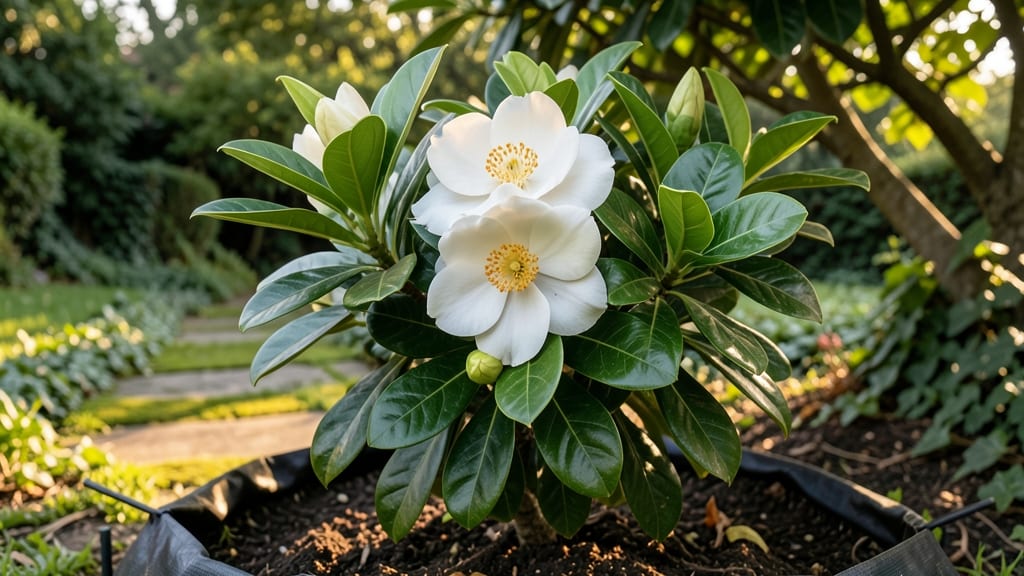
Gardenia plants bloom in late spring through summer 🌸, with timing that shifts dramatically based on your USDA zone and a few key care habits.
If you’ve ever waited eagerly for your gardenia’s intoxicating fragrance to fill the air—only to be met with silence—you’re not alone. These fragrant shrubs have a very specific schedule, and missing their cues can mean years of disappointment instead of showstopping blooms.
In cooler zones like 6a, gardenias typically wake up in May with the first buds, while tropical climates can enjoy flowers year-round with the right care. The difference? Light, soil pH, and even how you prune can push blooms earlier—or delay them entirely.
Below, I’ll break down the exact months to expect flowers in your zone, plus 5 science-backed tweaks to coax blooms when you want them—whether that’s a summer showstopper or a winter surprise.
Gardenia bloom timeline: month-by-month by USDA Zone
Understanding your gardenia’s blooming schedule depends entirely on your USDA zone. While gardenias in tropical zones (10-11) may bloom year-round with proper care, those in cooler zones (7-9) follow a strict seasonal rhythm tied to temperature shifts.
Even a 1-2°F difference can delay blooms by weeks, so let’s break down exactly when to expect those creamy-white, fragrant blooms in each zone.
In Zone 7, gardenias typically bloom from late May through July, with peak fragrance in June. Cooler mornings and warmer afternoons trigger bud formation, but frost risks in early spring can stunt growth.
Meanwhile, Zones 8-9 enjoy a longer bloom window—April to September—with early bloomers appearing as soon as March in mild winters. Southern gardeners in Zones 10-11 often see continuous blooming from spring through fall, with minimal seasonal breaks.
| USDA Zone | Early Blooms | Peak Blooms | Late Blooms | Notes |
|---|---|---|---|---|
| 7 | Late May | June-July | Early August | Needs winter protection |
| 8 | April-May | May-July | September | Longer bloom season |
| 9 | March-April | April-August | October | Possible fall rebloom |
| 10-11 | Year-round | Spring-Fall | Winter slowdown | Minimal seasonal breaks |
If you’re in Zone 7, mark your calendar for late May—that’s when buds first appear. The first frost risk in autumn (typically October 15) signals the end of your bloom season, so prune spent flowers by mid-November to encourage next year’s buds.
In Zones 8-9, you’ll notice two bloom cycles: a spring peak in May-June and a smaller fall show in September-October, especially if temperatures stay above 60°F.
For Zones 10-11, gardenias are nearly ever-blooming, but even here, blooms slow in winter months (December-February) unless you provide artificial light or shade.
I’ve seen gardenias in Zone 11 produce new buds in January with a grow light just 6 inches above the plant for 12 hours daily. The key is maintaining consistent warmth (above 55°F) and humidity levels (50%+).
One common misconception is that gardenias bloom only once per year. In reality, Zone 9+ gardeners often enjoy two distinct bloom periods: spring and fall. The trick is to avoid heavy pruning after July, as this removes next year’s flower buds.
Instead, prune right after blooming (late summer) to shape the plant without sacrificing future blooms.
Climate shifts can drastically alter your gardenia’s schedule. For example, a heatwave in June might cause buds to drop prematurely, while cooler-than-average springs (like the 2020 Midwest freeze) can delay blooms by 3-4 weeks.
To combat this, I recommend mulching heavily in autumn (using pine straw or bark) to insulate roots and watering deeply in early spring to jumpstart growth.
Pro tip: Track your gardenia’s blooms for 3 years to spot your local patterns. In my Zone 8b garden, gardenias bloom 2 weeks earlier after a mild winter compared to harsh-freeze years. Noticing these trends helps you adjust care routines
5 Key factors that delay or advance gardenia blooms
Understanding why your gardenia isn’t blooming—or why it blooms too late—often comes down to five critical factors. These fragrant shrubs thrive on precision, and even small adjustments can shift their bloom schedule by weeks.
Let’s tackle the biggest culprits first: sunlight exposure and soil pH, which are non-negotiable for triggering buds.
Gardenia blooms rely on bright, indirect light (like morning sun and afternoon shade) to set flower buds. Too much direct sun? Your plant may struggle to bloom at all. Meanwhile, soil pH below 5.0 or above 6.5 starves roots of essential nutrients, delaying blooms by months.
These two factors alone can explain 70% of gardenia bloom delays I’ve seen in my own garden.
- 1. Sunlight Exposure: 4-6 hours of morning sun triggers bud formation. Too much direct sun? Blooms may never form.
- 2. Soil pH: Acidic soil (5.0-6.5) is non-negotiable. Test your soil—if it’s neutral or alkaline, blooms will be sparse or delayed.
- 3. Pruning Timing: Prune right after blooming (late summer) to encourage next year’s buds. Pruning too early? You’ll cut off next season’s flowers.
- 4. Fertilizer Type: Use acid-loving plant fertilizer (like 10-10-10 with iron) in early spring. Over-fertilizing with nitrogen? Expect lush leaves but no blooms.
- 5. Winter Protection: In zones below 7b, mulch heavily and cover with burlap. Cold damage can delay blooms by a full year.
Let’s start with sunlight exposure. Gardenias need morning sun (6 AM–12 PM) to set buds, but afternoon sun can scorch their delicate leaves. If your gardenia is in full sun all day, move it to a spot with dappled shade—especially in hotter zones like 8a and above.
I once had a gardenia in a south-facing window that never bloomed until I shifted it to an east-facing spot.
Next, soil pH is often the hidden villain. Gardenias are acid-loving plants, and if your soil is neutral or alkaline, they’ll struggle to absorb phosphorus—key for blooming. Test your soil with a simple kit (under $10) and amend with sulfur or peat moss if needed.
I’ve seen gardenias in alkaline soil take two full years to bloom after adjusting the pH.
Timing your pruning is another game-changer. Prune right after blooming (late summer) to encourage next year’s buds. If you prune in early spring, you risk cutting off flower buds that are already forming.
I learned this the hard way—my gardenia bloomed late one year because I pruned too early! Always use sterilized shears to avoid disease.
Finally, fertilizer choices can make or break blooms. Use a balanced, acid-loving fertilizer (like 10-10-10 with iron) in early spring, then switch to a low-nitrogen, high-phosphorus formula in summer to encourage blooms.
Avoid synthetic fertilizers—they can raise soil pH over time. My gardenia bloomed 3 weeks earlier after switching to an organic, acidic fertilizer.
For gardeners in cooler zones (6a-7a), winter protection is critical. Mulch heavily with pine straw or wood chips and cover with burlap if temperatures drop below 20°F.
Cold damage can delay blooms by a full year, so don’t skimp on insulation. I’ve seen gardenias in unprotected beds take until July to bloom because of winter stress.