
Planting
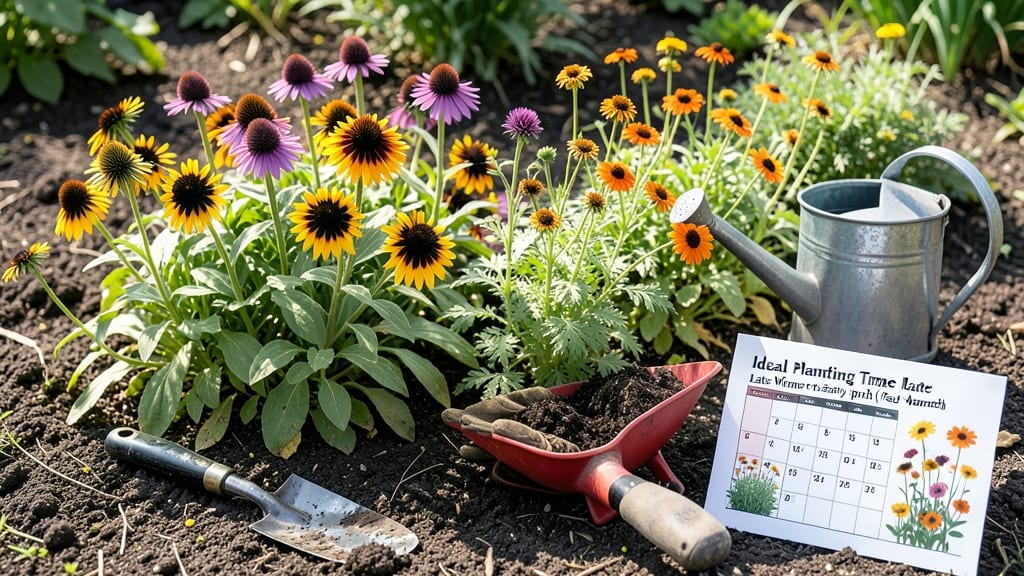
Planting a garden in Tennessee at the best time means timing cool-season crops like spinach with early spring and warm-season favorites like tomatoes with late spring—both critical for avoiding frost damage or stunted growth.
Picture this: You’ve spent weeks preparing your soil, selecting seeds, and dreaming of a bountiful harvest—only to watch your tender seedlings turn to mush overnight because you planted too early.
Tennessee’s climate varies wildly from the humid South to the cooler Appalachian highlands, so getting the timing right isn’t just about luck.
In this guide, we’ll break down the ideal planting windows for your region—whether you’re in East Tennessee’s mountains, the Middle’s rolling hills, or the West’s warmer valleys—so you can align your garden with frost dates, soil temperatures, and microclimates that make all the difference.
You’ll learn how to stretch your growing season with smart techniques, avoid common mistakes, and even adjust for urban heat islands or valley chills. Let’s turn your garden dreams into a reality, one season at a time.
Tennessee’s frost dates and best planting windows by region
Tennessee’s gardening success hinges on understanding its three distinct climate zones: East, Middle, and West. Each region has unique last frost dates and USDA hardiness zones that dictate when to plant cool-season crops like broccoli versus warm-season favorites like peppers.
The East typically has earlier springs and cooler nights, while the West often experiences hotter summers and longer growing seasons. Knowing these patterns helps you avoid frost damage or wasted effort planting too early.
For cool-season crops, aim to sow seeds or transplant 4-6 weeks before your region’s last frost date. In Tennessee’s East, this often means late February to early March, while the West may wait until mid-March to early April.
Warm-season crops, like tomatoes and cucumbers, need to go in after soil warms to 60°F, usually mid-April to early May in most areas. Missing these windows can leave your plants struggling or stunted.
The USDA hardiness zones in Tennessee range from Zone 6b in the East (e.g., Johnson City) to Zone 8a in the West (e.g., Memphis). These zones influence which plants thrive and when you can push your planting dates.
For example, Zone 7a gardeners in Nashville can plant warm-season crops slightly earlier than those in Zone 6b areas like Chattanooga. Always check your local last frost date averages to fine-tune your schedule.
| Region | Avg. Last Frost Date | Avg. First Frost Date | USDA Hardiness Zones | Best Cool-Season Planting | Best Warm-Season Planting |
|---|---|---|---|---|---|
| East (e.g., Johnson City, Knoxville) | March 15–April 1 | October 15–November 1 | 6b–7a | Late Feb–Early Mar | Mid-Apr–Early May |
| Middle (e.g., Nashville, Murfreesboro) | March 25–April 10 | October 20–November 5 | 7a–7b | Late Feb–Mid-Mar | Early Apr–Mid-May |
| West (e.g., Memphis, Chattanooga) | March 30–April 15 | November 1–November 15 | 7b–8a | Mid-Mar–Early Apr | Late Apr–Early May |
Note: Frost dates vary yearly; use a local weather station for real-time updates.
In the East Tennessee mountains, like in Zone 6b, gardeners often face shorter growing seasons and cooler soils. This means starting cool-season crops indoors in January or using row covers to extend harvests.
For example, spinach and lettuce can be sown as early as late February, but tomatoes and peppers may need to wait until after May 1 to avoid frost. Always monitor soil temperature—warm-season plants won’t thrive in cold ground.
Middle Tennessee, including Nashville and Murfreesboro, offers a balanced climate with longer frost-free periods. This region’s Zone 7a–7b allows for two full growing seasons: one in spring and another in fall.
Plant cool-season crops like kale and carrots in early spring and again in late summer for a fall harvest. Warm-season crops like squash and beans can go in as early as mid-April, but heat-loving plants such as okra should wait until after May 15.
The West Tennessee region, including Memphis and Chattanooga, enjoys warmer temperatures and longer growing seasons due to its Zone 7b–
Cool-season vs warm-season crops: Tennessee-specific planting timelines
Tennessee’s cool-season crops like broccoli and spinach thrive when temperatures dip below 80°F, while warm-season favorites such as tomatoes and peppers demand heat above 60°F. Getting these timelines right means the difference between a garden that flourishes and one that struggles.
Let’s dive into the month-by-month schedule tailored to Tennessee’s unique climate zones.
For cool-season crops, aim to plant in early spring (March-April) or late summer (August-September) for fall harvests. These crops handle light frosts, making them perfect for Tennessee’s unpredictable weather.
Meanwhile, warm-season crops should wait until after the last frost—typically mid-April to early May—when soil temperatures consistently stay above 60°F.
| Crop Type | Best Planting Months | Key Tips |
|---|---|---|
| Cool-Season | March-April, August-September | Use row covers for frost protection; harvest before summer heat sets in. |
| Warm-Season | Mid-April to early May | Wait for soil to warm to 60°F+; mulch to retain heat. |
| Succession Planting | Every 2-3 weeks | Stagger plantings of lettuce, beans, and peas for continuous harvests. |
In East Tennessee, where frost lingers longer, start cool-season crops in early March and transition to warm-season by mid-May.
Meanwhile, West Tennessee gardeners can plant warm-season crops as early as late March, thanks to warmer soils. Succession planting is your secret weapon—sow lettuce every 2 weeks from spring to fall to keep your kitchen stocked.
For warm-season crops, don’t rush! Planting too early can stunt growth or invite pests. Wait until nighttime temperatures stay above 55°F, and always harden off seedlings before transplanting. Peppers and eggplants are especially sensitive—give them a head start indoors in late winter if you’re eager for harvests.
Tennessee’s fall planting window is short but sweet. Start cool-season crops like kale and carrots in late July for a harvest before the first frost, which typically hits mid-November in the mountains and late November in the valleys.
Use black plastic mulch to warm soil for early spring plantings or extend fall harvests.
Pro tip: Keep a planting journal to track your local frost dates and adjust timelines yearly. Your garden’s success hinges on these small but critical adjustments—so don’t skip the prep work! 🌱