
Pruning
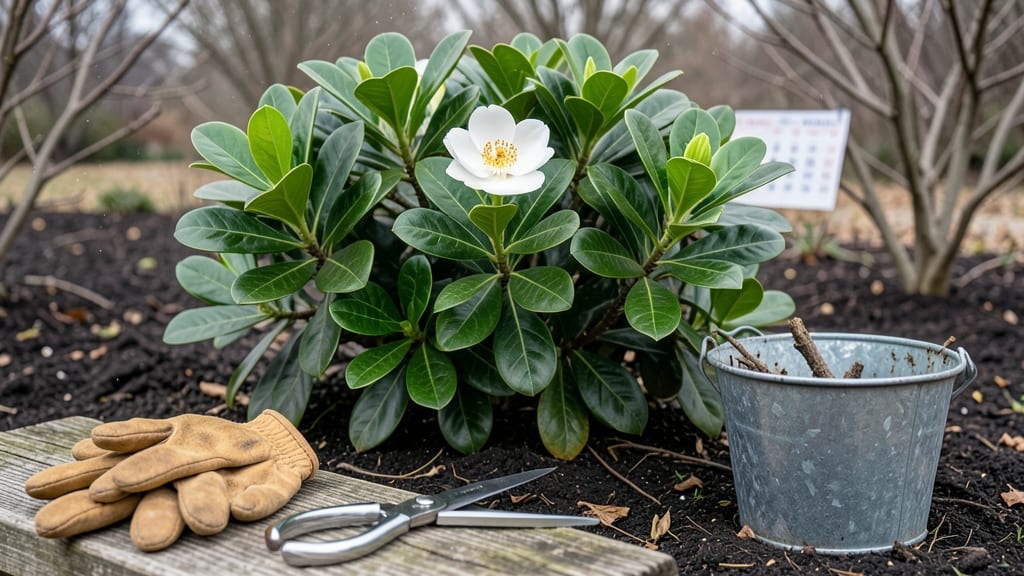
Pruning gardenias at the best time ensures vibrant blooms and healthy growth, and late winter is the key to unlocking their full potential.
Struggling to get your gardenias 🌸 to bloom as beautifully as they should? The secret often lies in timing—pruning at the wrong season can stunt growth or even kill your plant. Discover the exact late-winter window that unlocks vibrant spring flowers and a healthier gardenia year-round.
Most gardeners wait until spring, but that’s too late. Pruning in late winter—just as new growth begins—stimulates fresh shoots and sets the stage for a spectacular spring display. For those in USDA Zones 7-10, this means acting between February and early March, before buds swell.
In this guide, I’ll walk you through the step-by-step process, from sharpening your shears to post-pruning care, so you can avoid common mistakes and enjoy gardenias that thrive all season long.
Late winter pruning: the optimal time frame for gardenias
If you’ve ever watched your gardenias produce fewer blooms than expected, the culprit might be pruning at the wrong time. Gardenias thrive when pruned during their dormant-to-active transition phase, which occurs in late winter.
This precise window—after the last frost but before new growth—sets the stage for vibrant spring blooms and healthier foliage. Understanding the scientific reasoning behind this timing can transform your gardenia care routine.
The key to late-winter pruning lies in biological cues. Gardenias enter dormancy in cooler months, conserving energy until warmer temperatures trigger growth. Pruning too early risks frost damage to fresh cuts, while waiting too long allows flower buds to form, reducing next year’s bloom potential.
The ideal moment is when leaf buds swell but no new shoots have emerged—a sign the plant is ready to reallocate energy to new growth.
Regional climates play a critical role in determining the exact timing. In USDA Zones 7-9, late winter typically falls between mid-February and early March, while Zone 10 gardeners can prune as late as March or early April. Always check your local last frost date and aim to prune 2-4 weeks afterward to avoid cold stress on fresh cuts.
Temperature is another critical factor. Gardenias respond best to pruning when daytime temperatures consistently stay between 40°F and 55°F. Cooler nights (35°F or lower) signal the plant to delay growth, so pruning in these conditions can stress the shrub.
Use a thermometer to monitor conditions—this ensures your cuts heal properly and promotes rapid regrowth once spring arrives.
Spotting the perfect pruning window requires close observation. Look for these signs: leaf buds plumping up (they’ll appear swollen but still closed), no green shoots emerging from the stems, and dormant branches that feel firm to the touch.
If you see tiny green tips on branches, you’ve missed the window—wait until next year.
| Pruning Factor | Ideal Condition | Why It Matters |
|---|---|---|
| Season | Late Winter (Post-Dormancy) | Encourages new growth without risking frost damage. |
| Temperature Range | 40°F–55°F | Prevents shock and promotes faster healing. |
| Leaf Buds | Swollen but Closed | Signals plant is ready to grow but hasn’t yet. |
| New Growth | None Visible | Avoids cutting off potential blooms. |
| USDA Zones | 7–10 (Adjust Timing) | Warmer zones prune later; cooler zones prune earlier. |
Pruning at the right time doesn’t just boost blooms—it also improves air circulation and sunlight penetration, reducing the risk of fungal diseases like powdery mildew.
When you prune in late winter, you’re reshaping the plant’s structure for the upcoming growing season, allowing it to focus energy on flower production rather than dense, unproductive foliage.
For gardeners in warmer climates (Zone 10), late winter might mean pruning in March or early April, while those in cooler zones (Zone 7) should aim for late February.
Always align your pruning schedule with your local frost dates—a quick online search for “last frost date [your city]” will give you the exact window. Pro tip: Mark your calendar a month in advance to stay ahead.
Timing isn’t the only factor—how you prune also matters. Focus on removing dead, diseased, or crossing branches first, then shape the shrub by cutting back overgrown stems by 1/3.
Avoid heavy pruning, as it can stress the plant. Instead, think of late winter pruning as a gentle reset to encourage balanced growth and abundant blooms.
Once you’ve pruned, post-care is crucial. Apply a balanced, acid-loving fertilizer (like 10-10-10) to replenish nutrients lost during pruning. Water deeply but avoid overwatering, which can lead to root rot. If frost is still a threat, consider covering young cuts with burlap for extra protection until temperatures stabilize.
By mastering the late-winter pruning window, you’ll unlock the secret to healthier gardenias and show-stopping spring blooms. The effort pays off in lush foliage and fragrant flowers that’ll make your garden the envy of the neighborhood. 🌸
Step-by-step late winter pruning guide for maximum blooms
Late winter is the perfect time to prune your gardenias 🌸 because it stimulates fresh growth just as spring approaches. When done correctly, this process encourages lush foliage and abundant blooms.
The key is to prune after the last frost date in your USDA Zone 7-10 region, typically between late February and early March.
Before you begin, gather your tools: sterilized pruning shears, sharp bypass pruners, gardening gloves, and a bucket of rubbing alcohol for sterilization between cuts. Sterilizing your tools prevents the spread of bacterial or fungal diseases that can weaken your gardenia.
Step-by-Step Late Winter Pruning Guide
- 1 Remove Dead or Diseased Wood: Start by cutting out any dead, damaged, or diseased branches at the base. Look for brown or blackened stems or signs of powdery mildew.
- 2 Shape the Shrub: Prune to maintain a balanced, rounded shape. Cut back overly long branches by up to one-third of their length, making cuts just above a leaf node or bud.
- 3 Rejuvenation Pruning (Older Plants): For overgrown gardenias older than 3 years, prune back one-third of the oldest stems to encourage new growth. Focus on thinning out dense areas to improve airflow.
- 4 Fertilize After Pruning: Apply a balanced, acid-loving fertilizer (like 10-10-10 or 8-3-9) to replenish nutrients. Use 1 tablespoon per plant and water thoroughly to avoid root burn.
- 5 Water Deeply: Give your gardenia a deep watering (1-2 gallons) to help it recover. Water in the morning to reduce evaporation and fungal risks.
- 6 Protect from Frost: If late frosts are possible in your area, cover young shoots with frost cloth or a lightweight blanket to prevent damage.
After pruning, monitor your gardenia closely for new growth signs, like swollen buds or fresh leaves. If you notice yellowing leaves, it may indicate over-pruning or nutrient deficiency. In this case, apply a light dose of iron fertilizer to restore health.
With proper late-winter pruning, your gardenia will reward you with vibrant blooms by late spring. The key is patience—new growth takes time, but the results are worth it! Keep an eye out for pests like aphids and treat them early with neem oil if needed. 🌿