
Planting
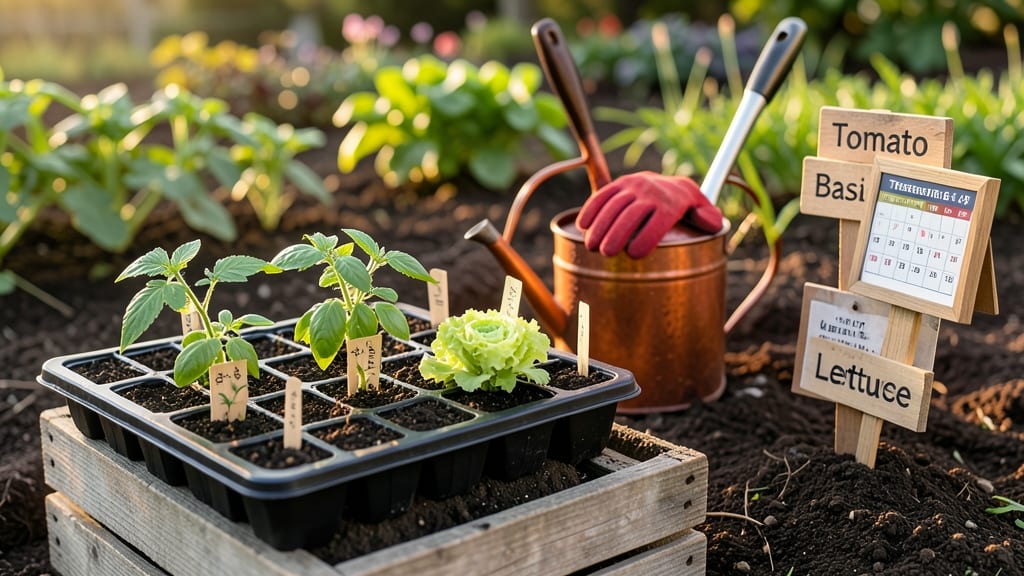
To plant your garden in Tennessee at the right time means starting cool-season crops like lettuce and peas 4-6 weeks before your last frost—typically by mid-March—and warm-season favorites like tomatoes and peppers 2-3 weeks after.
Tennessee’s diverse climate—from humid Appalachian valleys to hotter Delta regions—means planting your garden at the wrong time can mean the difference between a thriving harvest and wasted seeds. Timing isn’t just about avoiding frost; it’s about matching each crop’s needs to your zone’s microclimate.
In USDA Zones 6a-7b, the last frost usually arrives between mid-April and early May, but mountain areas can linger 2-3 weeks later than the plains. That’s why knowing your exact region—and which crops thrive in its unique conditions—is the key to a productive garden.
Below, I’ll break down the best planting windows by crop type, share how to adjust for Tennessee’s microclimates, and even include a downloadable checklist to keep you on track for a bountiful harvest.
Tennessee’s last frost dates by region: critical planting windows explained
Understanding Tennessee’s last frost dates is the first step to a successful garden. The state spans USDA Zones 6a to 8a, meaning frost timing varies dramatically from the Appalachian Mountains to the Mississippi Delta.
In East Tennessee’s higher elevations (Zone 6a), the last frost often hits April 15-30, while West Tennessee’s Zone 8a regions can see frost-free conditions by March 15—sometimes earlier. These dates determine when to plant cool-season crops like lettuce and when to wait for warm-season crops like tomatoes.
Even within these zones, microclimates play a huge role. Valley floors warm up faster than mountain slopes, and urban areas can be 5-10°F warmer than rural spots.
For example, Nashville’s last frost date averages April 10, but nearby Arrington Ridge (elevation 1,000+ ft) may not see frost-free conditions until May 1. Always check local records or use frost-free calculators from the UT Extension for precise timing.
Cool-season crops like broccoli, spinach, and peas can handle light frosts, so they’re often planted 4-6 weeks before the last frost. In Tennessee, this means starting seeds indoors by February 15 (Zone 6a) or direct-sowing outdoors by March 1 (Zone 8a). Warm-season crops, however, need to wait until 2-3 weeks after the last frost—typically May 1-15—to avoid cold damage.
Here’s how to adjust for your specific area:
| Region/Zone | Avg. Last Frost | Cool-Season Planting Window | Warm-Season Planting Window | Microclimate Adjustments |
|---|---|---|---|---|
| East TN (Zone 6a: Appalachian Mountains) | April 15-30 | Indoors: Feb 15 Outdoors: Mar 15 |
May 15-30 | Valleys: 7-10 days earlier Mountaintops: 7-10 days later |
| Middle TN (Zone 7a: Nashville, Chattanooga) | April 1-15 | Indoors: Feb 1 Outdoors: Mar 1 |
April 30-May 15 | Urban areas: 3-5 days earlier Rural highlands: 5-7 days later |
| West TN (Zone 7b-8a: Memphis, Jackson) | March 15-April 1 | Indoors: Jan 15 Outdoors: Feb 15 |
April 15-May 1 | River valleys: 5-7 days earlier Agricultural plains: standard dates |
For late winter planting, focus on cold-hardy crops like kale, carrots, and radishes. These can tolerate light frosts and even thrive in cooler temps.
Start seeds indoors by January 15 in Zone 8a or February 15 in Zone 6a. If you’re direct-sowing, wait until soil temps reach 40°F—use a soil thermometer to check.
In Zone 6a, this might not happen until March 15, while Zone 8a can start as early as February 1.
Don’t forget about fall planting, which can extend your harvest well into October or November. Cool-season crops planted in late July to early August often produce sweeter, more tender greens.
For example, broccoli sown in late July in Nashville (Zone 7a) can be harvested by October 15 before hard frosts arrive. Use row covers to push harvests even later.
If you’re unsure about your specific last frost date, use the 32°F rule: track the average date when temps drop to 32°F in fall and rise above it in spring.
Local weather stations or TN AgriWeather provide historical data. For example, Chattanooga’s last frost averages April 5, but a microclimate like Lookout Mountain may see frost until April 20.
Pro tip: Warm-season crops like tomatoes and peppers need consistent warmth to thrive. In Tennessee, soil temps should stay above 60°F for at least a week before planting. Use black plastic mulch or row covers to warm the soil faster in cooler zones.
In Zone 6a, this might mean waiting until May 15, while Zone 8a gardeners can plant by April 15.
Always monitor extended forecasts
Best crops to plant by month in Tennessee: a seasonal guide
Tennessee’s diverse climate means your planting calendar should shift with the seasons. In East Tennessee’s cooler highlands (USDA Zone 6a), you’ll plant earlier than in West Tennessee’s warmer valleys (Zone 7b).
The key is aligning crops with your region’s last frost dates, which typically range from mid-April in the mountains to late March in the Delta.
For cool-season crops like lettuce and spinach, start seeds indoors 4-6 weeks before your area’s last frost. Warm-season favorites such as tomatoes and peppers need to wait until 2-3 weeks after the last frost—usually mid-April to early May—to avoid chilly soil shocking their roots.
🌱
| Month | Cool-Season Crops | Warm-Season Crops | Succession Tips |
|---|---|---|---|
| February | Spinach, Kale, Peas | None (indoor starts) | Start seeds indoors |
| March | Lettuce, Radishes, Carrots | Onions, Potatoes | Direct sow every 2 weeks |
| April | Broccoli, Cabbage, Beets | Tomatoes, Peppers (after frost) | Transplant seedlings |
| May | None (heat-sensitive) | Corn, Cucumbers, Squash | Plant fast-growing crops |
| July | None (summer heat) | Green Beans, Okra | Succession plant beans |
| August | Spinach, Lettuce (shade) | Sweet Potatoes, Pumpkins | Prepare fall garden beds |
In West Tennessee’s warmer microclimates, you can push the envelope further.
For example, southern Exposure gardeners might plant tomatoes in early April, while East Tennessee gardeners should wait until mid-May to avoid frost damage. Succession planting is your secret weapon—sow lettuce every 2 weeks from March to August to ensure a continuous harvest.
Don’t overlook fall planting, especially for cool-season crops. After Labor Day, plant spinach, kale, and radishes for a winter harvest. Use row covers to extend your season into November, protecting tender greens from early frosts.
For heat-loving crops like okra and sweet potatoes, West Tennessee’s longer growing season lets you plant as late as June. Meanwhile, East Tennessee gardeners should focus on fast-maturing varieties to beat the first frost, which can arrive as early as mid-October in the mountains.
🌿