
Planting
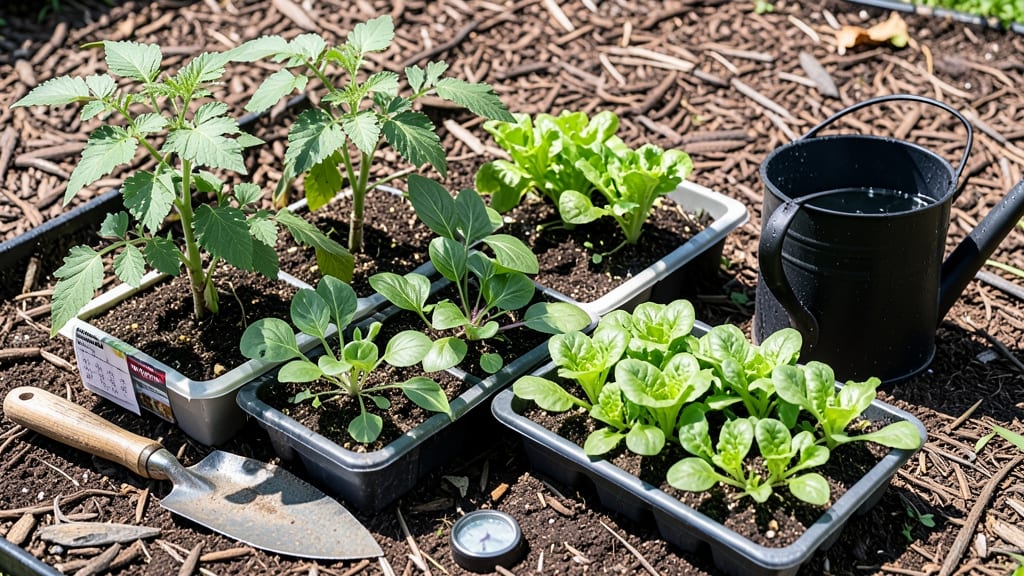
Planting a garden in Tennessee at the right time means the difference between a thriving 🌱 harvest and wasted seeds.
Tennessee’s diverse climate—from the humid South to the cooler Appalachian highlands—means planting your garden at the wrong time can mean wasted seeds and stunted growth. But get the timing right, and you’ll enjoy bumper crops of tomatoes, peppers, and greens all season long.
With USDA zones ranging from 6a-7b, knowing when to start seeds indoors, transplant seedlings, or sow directly in the soil depends on where you live. In Nashville, you’ll be ready by mid-March, while Knoxville gardeners wait until late April to avoid late frosts.
Below, I break down the best planting windows for cool-season crops, warm-season staples, and perennials—plus how to adjust for Tennessee’s unpredictable weather. You’ll learn exactly when to plant for peak yields, no matter your zone.
Tennessee planting Zones explained: what you need to know before choosing dates
Tennessee spans USDA Plant Hardiness Zones 5b through 8a, creating a patchwork of growing conditions that can confuse even experienced gardeners. The state’s Appalachian Mountains in the east (Zones 6a-7a) experience cooler winters, while the Mississippi Delta in the west (Zones 7b-8a) enjoys longer growing seasons.
Knowing your exact zone helps you avoid late spring frosts that can wipe out tender seedlings or early fall freezes that cut harvests short.
Most of Tennessee falls into Zones 6a-7a, but microclimates—like urban heat islands in Nashville or the cooler valleys of the Cumberland Plateau—can shift your effective zone by half a level or more.
For example, Chattanooga’s downtown might be Zone 7b, while nearby Lookout Mountain could be Zone 6b. These variations mean frost dates can differ by weeks between neighborhoods, even just a few miles apart.
Here’s how to use this zone-specific frost chart to time your plantings perfectly. The table below breaks down average last frost dates for Tennessee’s major cities, along with recommended planting windows for cool-season and warm-season crops.
Use these as your starting point, then adjust based on your local microclimate—urban areas warm up faster in spring, while rural spots may linger cooler.
| City | USDA Zone | Avg. Last Frost | Avg. First Frost | Cool-Season Planting | Warm-Season Planting |
|---|---|---|---|---|---|
| Nashville | 7a | March 15 | November 1 | Feb 15–Apr 1 | Apr 15–May 15 |
| Memphis | 8a | March 1 | November 15 | Jan 15–Mar 15 | Mar 15–Apr 15 |
| Knoxville | 6b | April 1 | October 31 | Mar 1–Apr 15 | Apr 30–May 15 |
| Chattanooga | 7b | March 10 | November 5 | Feb 1–Mar 15 | Apr 1–May 1 |
If you’re unsure about your exact zone, check the USDA Plant Hardiness Zone Map or use the UT Extension’s Tennessee Climate Database for hyper-local data.
For example, East Tennessee’s higher elevations (like Sevier County) can drop into Zone 5b, while West Tennessee’s flatlands near the Mississippi River often reach Zone 8a. These differences matter when choosing cold-hardy varieties like kale or heat-sensitive plants like basil.
Microclimates also play a huge role in urban vs. rural gardening. Concrete and pavement in cities like Nashville can create heat islands that push last frost dates 1-2 weeks earlier than surrounding areas. Meanwhile, rural farmland may experience colder soil temperatures in spring, delaying planting by a similar margin.
To account for this, monitor your local weather station or use a soil thermometer—most seeds need soil temps of at least 60°F to germinate properly.
One common mistake I see is planting warm-season crops too early in Zone 6b areas, only to have a late frost kill seedlings. For example, tomatoes and peppers should wait until after May 1 in Knoxville, even if the air feels warm. Similarly,
Best planting calendar for Tennessee gardens: month-by-month guide for vegetables, flowers, and herbs
Tennessee’s gardening season spans from early spring to late fall, but timing is everything. Cool-season crops like spinach and broccoli thrive in March and April, while warm-season favorites such as tomatoes and peppers need to wait until after the last frost, typically mid-April to early May.
Perennials like asparagus and strawberries have their own ideal windows, and fall planting can extend your harvest well into October.
To maximize your garden’s potential, align your planting schedule with Tennessee’s microclimates. For example, East Tennessee’s cooler temperatures allow for earlier cool-season planting, while West Tennessee’s longer growing season lets you push warm-season crops later. Here’s your month-by-month breakdown to avoid common pitfalls like frost damage or stunted growth.
🌱 Tennessee Planting Timeline
- March: Start cool-season crops like peas, lettuce, and spinach. Plant asparagus crowns and strawberries for perennial harvests.
- April: Sow broccoli, cabbage, and kale. Begin hardening off tomato and pepper seedlings indoors for transplanting after last frost.
- May: Plant warm-season veggies (squash, beans, cucumbers) once soil reaches 60°F+. Direct-sow marigolds and zinnias for summer color.
- June-July: Succession plant bush beans and radishes. Add annual flowers like sunflowers and cosmos for pollinators.
- August: Begin fall planting with kale, carrots, and beets. Transplant broccoli and cabbage seedlings for late harvests.
- September-October: Extend harvests with row covers for greens. Plant garlic and onions for next year’s crop.
🌡️ Pro Tip: Use a soil thermometer—warm-season crops need soil at 60-65°F to thrive.
One of Tennessee’s biggest gardening challenges is late spring frosts, which can devastate tender seedlings. Tomatoes and peppers are especially vulnerable, so wait until mid-May in most regions before transplanting. Use frost cloth or row covers if early frosts are forecasted in your area.
For fall gardens, focus on cool-season crops that tolerate light frosts, like spinach, radishes, and carrots. Extend your harvest season by using row covers or cold frames—these can add 2-4 weeks to your growing window.
In West Tennessee, where winters are milder, you might even harvest greens until December.
Don’t forget about perennials like asparagus and strawberries. Asparagus crowns should be planted in early spring (March) for a harvest starting in year 3. Strawberries thrive when planted in fall (September-October) or early spring, producing fruit the following year.
By following this calendar, you’ll avoid common mistakes like planting too early or missing the window for warm-season crops. Adjust based on your local frost dates—check the UT Extension’s frost maps for precise timing in your area. Happy planting! 🌿