
Planting
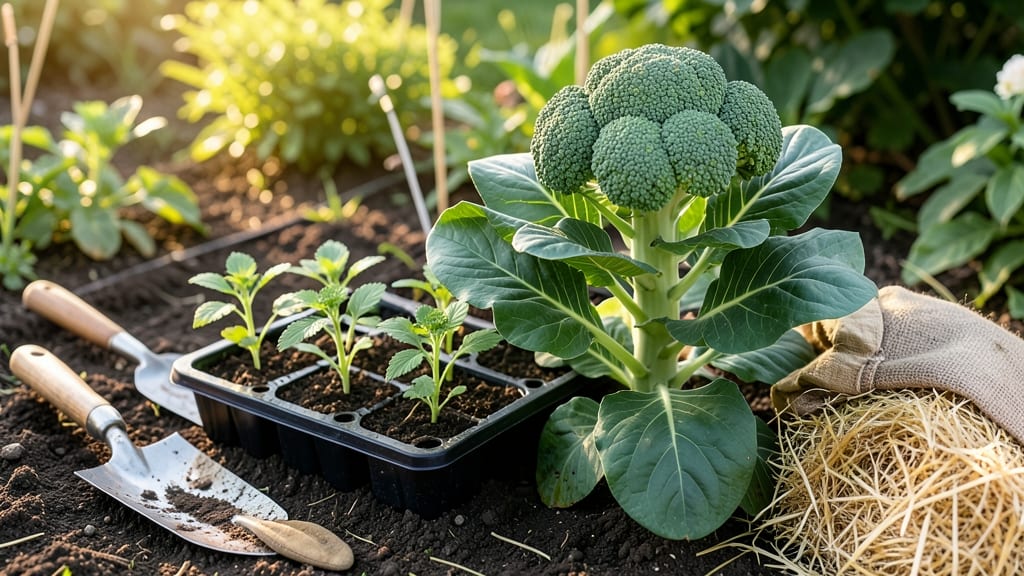
You should plant a fall garden in Texas between mid-July and early September to outpace the summer heat and secure a harvest before winter.
Texas gardeners know the summer heat can be brutal—but with the right timing, you can beat the heat and grow a thriving fall garden. Planting at the wrong time means struggling with wilting crops, while perfecting your schedule unlocks a harvest of fresh vegetables before winter sets in.
Timing isn’t one-size-fits-all across the state. North Texas gardeners have a slightly longer window than those in South Texas, where the heat lingers later. The key is knowing your last frost dates and choosing heat-tolerant crops like sweet potatoes, okra, and black-eyed peas that thrive in late-summer conditions.
In this guide, I’ll break down the exact months to plant by zone, share the best heat-resistant crops, and reveal how to extend their growing season—so you can enjoy a bountiful fall harvest without the guesswork.
Texas fall planting calendar by zone: exact months for heat-tolerant crops
Texas's diverse climate zones mean your fall planting schedule should match your specific region. North Texas gardeners face cooler nights earlier, while South Texas can still enjoy warm soil well into October.
The key is timing transplants to avoid summer heat stress while giving crops enough time to mature before first frost dates. For example, okra and sweet potatoes thrive when planted in late summer, but black-eyed peas need cooler air to set pods.
Your zone determines when to start seeds indoors or direct-sow outdoors. North Texas (Zones 7b-8a) has a shorter growing window, so begin seedlings indoors in June for fall crops.
Central Texas (Zones 8a-8b) can direct-sow until mid-September, while South Texas (Zones 9a-10a) enjoys a longer season with planting possible until late October. Always check your last frost date—North Texas averages November 15, while South Texas rarely sees frost before December 20.
Here’s your zone-specific planting calendar for heat-tolerant fall crops, including ideal transplant dates and harvest windows:
For North Texas, prioritize early July transplants of heat-lovers like okra and sweet potatoes. These crops need 60–90 days to mature, so aim to harvest before November 15. Use row covers to protect tender seedlings from unpredictable late-summer storms.
I’ve found that starting okra seeds indoors in early June gives them a head start before moving to the garden.
Central Texas gardeners have more flexibility. You can direct-sow black-eyed peas until mid-September, but transplant sweet potatoes by July 30 to avoid soil overheating. My trick?
Plant slips in partial shade for the first week to reduce transplant shock. Mulch heavily with straw to retain moisture during September’s heat spikes.
South Texas’s longer season lets you push limits. Black-eyed peas thrive when planted in August, and collard greens can handle light frosts. I’ve grown okra
Best heat-tolerant vegetables for Texas fall gardens & how to extend their growing season
When Texas temperatures start dropping from their summer peaks, it's time to shift focus to heat-tolerant vegetables that thrive in late summer and early fall. These crops can handle the lingering heat while setting up roots for a longer harvest window before the first frost.
The key is selecting varieties that won't bolt or wilt under 90°F+ days and using smart strategies to protect them.
My top recommendations include okra, sweet potatoes, black-eyed peas, and malabar spinach, which all perform exceptionally well in Texas's Zone 8-10 climates. These crops not only survive the heat but also improve in flavor as temperatures moderate.
Pairing them with proper mulching and irrigation techniques can extend your harvest well into November or December, depending on your region.
🌱 7 Essential Steps to Extend Your Texas Fall Garden
- 🌡️ Test soil temperature—ideal range is 70-85°F for most fall crops. Use a soil thermometer to avoid planting too early when heat stress is still high.
- 💧 Install drip irrigation—delivers water directly to roots, reducing evaporation and keeping plants hydrated during afternoon heat spikes.
- 🌿 Use shade cloth (30-50%)—protects young seedlings from intense afternoon sun while allowing light penetration for growth.
- 🍂 Apply 2-3 inches of mulch—retains moisture, regulates soil temperature, and suppresses weeds. Straw or wood chips work best in Texas heat.
- 🌱 Choose heat-tolerant varieties—look for labels like "long-day" or "tropical" for crops that thrive in 90°F+ conditions.
- ⏰ Plant in late August-September—avoids the peak of summer heat while giving crops time to mature before first frost dates (typically October-November).
- 🌱 Fertilize with slow-release organic matter—add compost or aged manure before planting to provide nutrients without burning roots.
One of my favorite heat-tolerant crops is okra, which actually produces better in warm weather. Plant seeds directly in the garden after the last summer heatwave, around mid-August, and expect pods in as little as 50-60 days.
Pair it with sweet potatoes, which thrive in Texas's sandy soils and can be harvested as slips or mature tubers depending on your timeline.
For leafy greens, malabar spinach and swiss chard are excellent choices—they handle heat better than traditional spinach and continue producing until hard frosts. To maximize their growth, I recommend side-dressing with compost every 3-4 weeks and keeping the soil consistently moist.
A light application of fish emulsion can also boost their resilience during heat stress.
Don't overlook black-eyed peas and cowpeas, which are drought-tolerant and nitrogen-fixing, making them perfect for Texas's variable rainfall. Plant them in full sun with well-draining soil, and they'll reward you with continuous harvests from late summer through fall.
For extra protection, I often use row covers during sudden heatwaves to shield young plants.
To extend the season even further, consider succession planting every 2-3 weeks after your initial sowing. This ensures a steady supply of fresh produce and maximizes your garden's potential. For example, plant a second batch of okra in early September to harvest pods as the first batch winds down.
With these strategies, you can enjoy a bountiful fall harvest long after most gardeners have packed it in.