
Planting
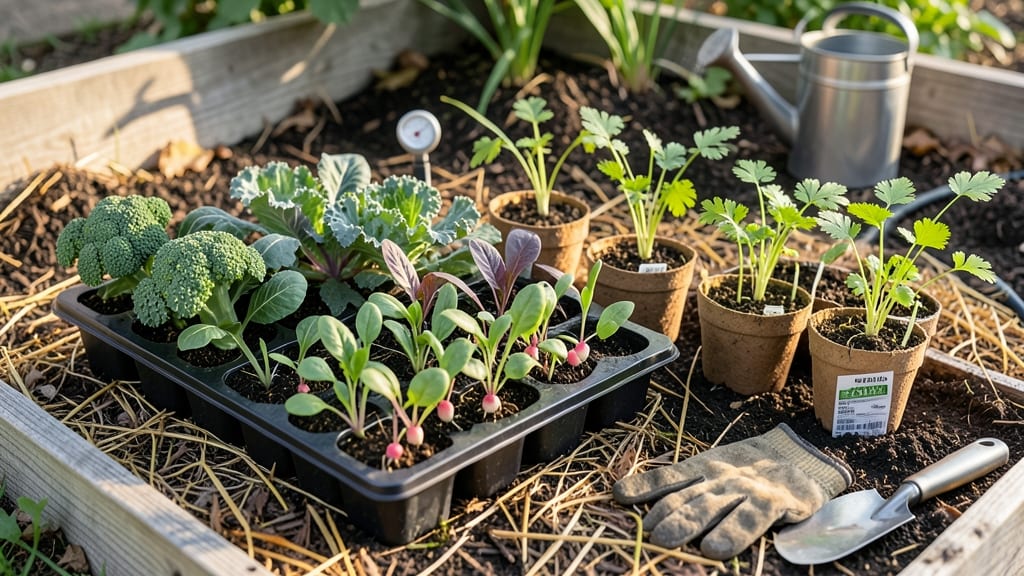
Planting a fall garden in Texas means beating the heat while dodging early freezes—get the timing wrong, and you’ll watch your seedlings wilt or your harvest vanish overnight.
Texas’s brutal summer heat makes fall gardening a game-changer—but planting too early or late can mean wasted effort. Whether you're in the North, Central, or South regions, the exact timing matters more than anywhere else.
One week too soon, and your greens bolt in the heat; one week too late, and frost zaps your crops before they mature.
This guide breaks down the optimal planting windows by region, from East Texas’s humid summers to the High Plains’ sudden chills.
You’ll learn which heat-tolerant crops thrive in late summer, how to prep soil for Texas’s variable conditions, and when to adjust for early freezes—so you can harvest long after most gardens give up.
Skip the guesswork and plant with confidence. By the end, you’ll know exactly when to sow your fall garden for a bounty that lasts well into winter—no matter where in Texas you live.
Texas fall planting timeline: exact dates by region (North vs. Central vs. South)
Timing your fall garden in Texas hinges on three critical factors: first frost dates, soil temperature, and your specific USDA hardiness zone. Texas spans from Zone 6b in the Panhandle to Zone 10a along the Gulf Coast, creating wildly different planting windows.
In North Texas, early freezes can arrive by November 15, while South Texas may see frost as late as December 20. Understanding these regional differences ensures your heat-loving crops mature before temperatures drop.
For East Texas (Zones 7b-8a), the fall planting window typically opens mid-August for heat-tolerant crops like sweet potatoes and collards. Central Texas (Zones 8a-8b) can start slightly later, around late August, while West Texas (Zones 7a-8a) often waits until early September to avoid residual summer heat stress.
Always check your local Extension Service for microclimate adjustments, as urban areas can experience 5-10°F warmer soil temperatures than rural zones.
Soil temperature is your best early indicator. Most fall vegetables thrive when soil stays above 60°F. Use a soil thermometer to confirm readiness—East Texas soils may still hit 85°F in August, while North Texas cools faster. Wait until soil drops below 75°F before planting cool-season crops like broccoli or lettuce, or they’ll bolt prematurely.
Here’s how to align your planting with Texas’s three major regions, accounting for first frost risks and heat-tolerant crop readiness:
| Region | USDA Zones | Start Heat-Tolerant Crops | Start Cool-Season Crops | First Frost Risk | Soil Temp Goal |
|---|---|---|---|---|---|
| North Texas | 6b-8a | Late August | Mid-September | Nov 15-Dec 1 | 60-65°F |
| Central Texas | 8a-8b | Mid-August | Late August | Nov 20-Dec 10 | 65-70°F |
| East Texas | 7b-8a | Early August | Early September | Nov 1-Dec 15 | 60-68°F |
| West/South Texas | 7a-10a | Early September | Mid-September | Dec 10-Jan 10 | 68-75°F |
In North Texas, prioritize fast-maturing crops like turnips (40 days) or radishes (25 days) when planting after September 1. The Panhandle’s Zone 6b areas may need row covers by October to protect tender greens.
Meanwhile, South Texas gardeners can extend their season into January with cold-hardy varieties like kale or spinach, thanks to milder winters.
Pro tip: Succession plant heat-tolerant crops every 2-3 weeks from August through September. For example, sow okra in early August (harvest by October) and follow with collards in mid-September to catch the cool-season window. This staggered approach maximizes your harvest window before frost.
Don’t overlook microclimate factors. Urban areas like Dallas or Austin can experience urban heat islands, delaying frost by 1-2 weeks compared to rural zones. If you’re near black soil (common in East Texas), it retains heat longer—ideal for late-summer planting but may require earlier frost protection.
For West Texas, where drought stress is a concern, focus on
Best heat-tolerant fall vegetables for Texas gardens (ranked by success rate)
When Texas’s late-summer heat lingers into September, most gardeners pack it in—but the right crops can still thrive. These heat-tolerant varieties handle 90°F+ temps while setting up for a productive fall harvest.
My top picks? Okra, sweet potatoes, and collards lead the pack, followed by hardy greens like kale and turnips that love cooler nights but need heat-resistant seeds.
Texas’s variable climate means your planting window is tight—typically mid-August to early October for most regions. Start with direct-sown seeds (like okra) in warm soil, then transition to cool-season crops (like broccoli) as temperatures dip. The key? Soil temperature over air temperature—aim for 60°F+ for warm-season crops.
For maximum yield, focus on okra and sweet potatoes—they handle Texas’s intense heat better than most. Plant okra seeds 1" deep, spacing them 12-18" apart in rows 24" apart. Sweet potatoes need loose soil; slip slips 6-8 weeks before first frost for a 100-day harvest.
My pro tip? Use black plastic mulch to retain heat and moisture.
Don’t overlook collards and kale—they’re heat-tolerant greens that sweeten after a frost. Direct-sow seeds ¼" deep, spacing them 12-18" apart. These leafy greens also handle light freezes, making them ideal for late-September plantings.
For fast harvests, try radishes or turnips, which mature in 30-40 days and tolerate 80°F+ temps.
Texas’s early freezes can sneak up fast, so time your cool-season crops (like broccoli or cabbage) for transplanting 6-8 weeks before first frost. Use row covers to extend the season if temps dip below 28°F.
My fall garden rule: Plant heat-lovers first, then transition to cool-weather crops as nights cool.
With the right planting depths and spacing, your Texas fall garden can outperform spring plantings.
Start with okra and sweet potatoes for heat tolerance, then add collards and kale as temps drop. Test your soil (aim for pH 6.0-7.0) and mulch heavily to retain moisture—your harvest will thank you.