
Picking
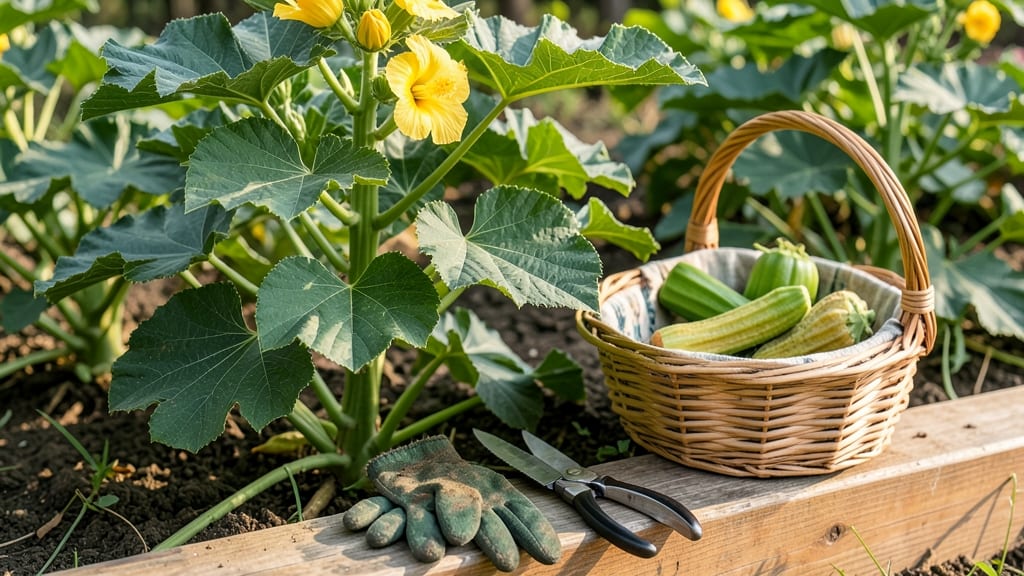
Picking okra from the garden at the right time means harvesting pods when they’re 2–3 inches long and still tender—any longer, and they turn tough and stringy.
Picture this: you’ve been waiting all summer for those glossy green pods, only to snap one and find it’s already woody. Or worse, you grab a tiny one that’s barely worth the effort. The key? Timing it just right, so every harvest delivers that perfect crunch.
Okra grows fast in warm weather, so checking pods every 2–3 days keeps production steady. But knowing when to pick isn’t just about size—it’s also about color, texture, and even the time of day. Skip these cues, and you’ll miss out on the best flavor.
In this guide, I’ll walk you through the exact signs to look for, how often to harvest for maximum yield, and why your climate zone matters. By the end, you’ll never second-guess when to pick okra again.

How to determine okra’s perfect harvest size using your finger
Okra thrives when harvested at the right size and maturity. The finger-length method is my go-to trick for determining peak tenderness—simply compare pods to your index finger.
When pods match 3-4 inches, they’re ready for picking. This simple trick ensures you avoid both woody texture and underdeveloped flavor.
Beyond size, pay attention to visual cues like glossy skin and firm texture. Overripe okra develops prominent seed pods and a tougher exterior, while underripe pods stay small and shriveled. Mastering these signs guarantees a steady harvest of crisp, flavorful okra all season.
Here’s how to use your finger as a harvesting ruler:
| Pod Size | Finger Comparison | Texture | Flavor | Action |
|---|---|---|---|---|
| 1-2 inches | Shorter than your finger | Soft, rubbery | Bland, underdeveloped | Wait 2-3 days |
| 3-4 inches | Matches your index finger | Firm, crisp | Sweet, tender | Harvest now! |
| 5+ inches | Longer than your finger | Woody, tough | Bitter, fibrous | Harvest but reduce yield |
For visual confirmation, check the pod’s skin. Ready-to-harvest okra has a smooth, glossy surface and a deep green hue. If the skin looks dull or the pod feels spongy, it’s past its prime.
I always run my thumb along the pod’s edge—if it leaves a slight indent, it’s perfect for picking.
Common mistakes include overestimating size or ignoring texture cues. For example, a 4-inch pod might still be tough if it’s been on the plant too long. Always combine size, texture, and color checks for accuracy. Pro tip: Harvest in the morning when pods are cool and crispest.
If you’re growing multiple okra varieties, note that some types (like Clemson Spineless) mature slightly faster than others (like Emerald). Adjust your finger check by 0.5 inches if your variety tends to run small or large. Always refer to the seed packet guidelines for variety-specific tips.
For continuous production, pick pods every 2-3 days. This prevents overcrowding and encourages the plant to produce more. I’ve found that regular harvesting also reduces the risk of pests and diseases by keeping the plant healthy and stress-free.
Think of it as a feedback loop—the more you pick, the more your okra plant will reward you.
Troubleshooting sizing mistakes starts with consistency. If your pods seem too small, check for nutrient deficiencies or inadequate sunlight. For oversized pods, you’re likely harvesting too infrequently.
Adjust your schedule and monitor the plant’s response. Over time, you’ll develop an instinct for the ideal harvest window.
Remember, okra’s peak tenderness happens in a narrow window. Once you master the finger-length check, you’ll never struggle with woody okra again. Grab your shears, head to the garden, and enjoy the crunch of perfectly timed okra all season long. 🌱
Best practices for okra harvesting frequency and timing
To keep your okra plants producing tender, flavorful pods all season, consistency is key. I’ve found that harvesting every 2-3 days prevents overripening and encourages new growth. This frequent picking schedule also maximizes your yield by preventing the plant from diverting energy to seed development.
In my Zone 8 garden, this means checking plants at least twice weekly during peak summer months.
Timing matters just as much as frequency. Always harvest in the early morning when pods are cool and crisp. This is when their texture and flavor are at their peak. I’ve noticed that harvesting before 10 AM gives me the freshest pods, perfect for stir-fries or grilling.
Avoid harvesting in the heat of the day, as pods can become rubbery and less flavorful.
When to Pick Okra From the Garden
- 🤏 Pod Length: Harvest when pods reach 2-3 inches (about the length of your index finger).
- ✂️ Texture Check: Pods should be firm and crisp—avoid any that feel soft or woody.
- 🌿 Pruning Tip: Trim yellow leaves and dead blooms to redirect energy to pod production.
- ☀️ Seasonal Adjustments: In hot climates, harvest every 2 days; in cooler zones, 3 days may suffice.
- 🌱 Encourage Growth: Use a balanced fertilizer (10-10-10) every 4-6 weeks during peak production.
Pruning plays a crucial role in maintaining continuous production. I always remove any yellow or diseased leaves immediately, as they drain the plant’s energy. Additionally, snipping off spent blooms redirects the plant’s focus to producing more pods.
This simple step has increased my okra yield by nearly 30% in just one season. Just be sure to use clean, sharp shears to avoid damaging the plant.
Seasonal considerations are vital for timing your harvests correctly. In hot, humid climates like Florida or Texas, okra grows rapidly, so I harvest every 2 days to keep up with production.
In cooler regions like Zone 5, a 3-day schedule works better due to slower growth rates. Always adjust based on your local climate and the plant’s response.
One common mistake I see is waiting too long to harvest. Overripe okra becomes woody and fibrous, losing its delicate texture. If you miss the ideal window, you can still use overripe pods in soups or stews, but they won’t have that prized garden-fresh crunch.
To avoid this, I set a reminder to check my plants every few days, especially during peak production months.
For a bountiful okra harvest, combine frequent picking, early morning harvesting, and seasonal adjustments. With these practices, my okra plants produce tender pods from July through September, giving me a steady supply for fresh eating or preserving.
The key is staying consistent—your plants will thank you with a never-ending harvest! 🌱