
Picking
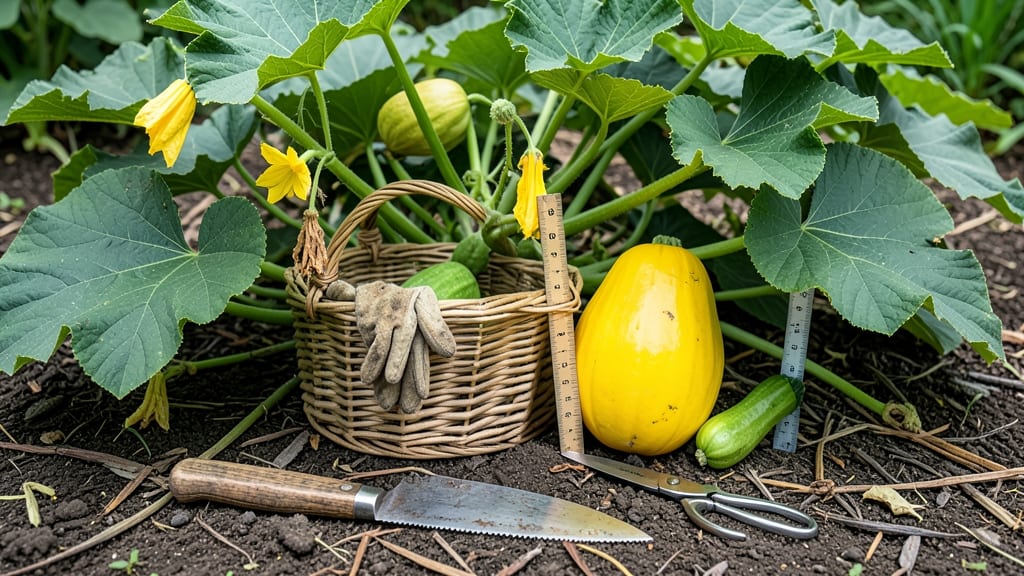
To pick squash from your garden at the perfect moment means the difference between a meal-worthy harvest and a sad, overripe mess.
Harvesting squash at the right time ensures maximum flavor, texture, and shelf life—but knowing exactly when to pick can be tricky, even for experienced gardeners. One day too early, and you’re left with soft, seedy squash that’s barely edible.
Too late, and you risk losing your entire crop to rot or pests.
Luckily, there are simple cues to watch for: skin hardness, color shifts, and even the way the stem looks. These clues tell you exactly when your 🎃 is ready to pick, whether it’s a zucchini or a butternut.
Below, I’ll break down the most reliable signs and share my foolproof method for avoiding the common mistakes that lead to wasted harvests.
By the end, you’ll know not just when to pick your squash, but also how to store it properly so it stays fresh for weeks. Ready to turn your garden into a never-ending supply of perfect squash?
How to identify perfect squash ripeness by color and size
Knowing when to pick squash from your garden is all about reading the visual cues—color shifts, size benchmarks, and skin texture. Summer squash like zucchini need harvesting young, while winter varieties like butternut squash develop deep hues and hard rinds.
I’ve learned that ignoring these signs leads to either mushy overgrowth or underripe, bland produce. Let’s break down the exact signals to watch for each type.
For summer squash varieties such as zucchini or yellow crookneck, the key is size and color consistency. These squash are best picked when they’re 6-8 inches long and their skin turns a solid matte green or yellow.
If you wait too long, they’ll become seedy and fibrous—trust me, I’ve made that mistake more times than I’d like to admit! The skin should also feel slightly tough, not soft or waxy.
Winter squash, including acorn, butternut, and spaghetti squash, take longer to mature. Their color deepens dramatically—from pale green to golden or orange—as they ripen. A fully ripe winter squash will have a hard, thick rind that’s difficult to pierce with your fingernail. The stem should also begin to dry out and shrivel, signaling it’s time to harvest before pests or frost damage sets in.
Heirloom varieties often break the rules when it comes to color cues. Some heirlooms, like Cocozelle squash, stay green even when fully ripe, while others, like Turkish bananas, develop stripe patterns that aren’t always reliable indicators.
In these cases, focus on size and stem dryness rather than color. I’ve found that heirlooms often need 10-15 extra days to mature compared to hybrid varieties.
| Squash Type | Color Cues | Size Indicators | Skin Texture | Stem Condition |
|---|---|---|---|---|
| Summer Squash (Zucchini) | Solid green/yellow | 6-8 inches long | Slightly tough | Fresh, not dried |
| Winter Squash (Butternut) | Deep orange/gold | 10-12 inches long | Hard, thick rind | Dry, shriveling |
| Acorn Squash | Solid tan/orange | 4-6 inches diameter | Firm, no soft spots | Dry, browned |
| Heirloom (Cocozelle) | Green (no color change) | 8-10 inches long | Thick, glossy | Dry, papery |
| Pumpkins | Deep orange | 10+ inches diameter | Hard, no dents | Dry, stem separates |
One of the biggest mistakes I see gardeners make is harvesting squash based solely on size. A 12-inch zucchini might look ripe, but if its skin is still soft, it’s not ready. Always press the skin gently—if it dents easily, wait a few more days.
For winter squash, lift the squash slightly to check its weight; a ripe squash will feel heavy for its size because it’s packed with sugars and nutrients.
Seasonal timing also plays a crucial role. In hot, dry climates, squash can ripen faster, so check them every 2-3 days. In cooler regions, they may take 2-3 weeks longer to reach maturity.
I’ve noticed that early morning harvests work best because the cooler temperatures help preserve the squash’s freshness. Plus, harvesting in the morning means you can enjoy your squash at its peak flavor right away.
Don’t overlook the stem condition—this is often the most reliable indicator. When the stem dries out and separates slightly from the vine, it’s a clear sign the squash is ready.
If you leave it too long, the stem will shrink and fall off, and the squash may start to rot. I always use a sharp knife or pruning shears to cut the stem, leaving about 1 inch of stem attached to help the squash cure properly.
For storage purposes, winter squash should cure in a warm, dry place for 7-10 days before storing. This process deepens their flavor and extends
Texture and stem clues that reveal squash readiness
When it comes to harvesting squash, texture and stem condition are often the most reliable indicators of ripeness. Unlike color, which can vary widely between varieties, these physical clues give you a consistent way to determine when your squash is ready to pick.
I’ve learned that skipping this step often leads to either underripe squash with poor flavor or overripe squash that spoils quickly.
Summer squash like zucchini and pattypan should be harvested when they’re still young and tender, while winter squash like butternut or acorn need time to fully mature. The key is understanding how to test firmness and check the stem—two simple techniques that can save you from wasting your harvest.
Even experienced gardeners sometimes overlook these details, so let’s break it down step by step.
⚠️ Common Mistake: Waiting for the Stem to Fully Dry
Many gardeners wait until the stem shrivels completely before harvesting, but this often means the squash is overripe and past its prime. For most varieties, you should pick when the stem is dry but still slightly green, not when it’s brown and brittle. Overripe squash loses flavor, develops a woody texture, and stores poorly.
🌱 Pro Tip: Use a sharp knife to cut the stem 1-2 inches away from the squash to avoid damaging the plant.
Start by giving your squash a gentle firmness test. Press your fingernail into the skin—if it leaves a noticeable dent, the squash isn’t ready yet. A ripe squash should feel firm to the touch with no give.
For example, a butternut squash should have a skin that’s thick and hard enough to resist your nail, while a zucchini should still be slightly tender but not mushy.
The stem is another critical clue. A ready-to-harvest squash will have a stem that’s drying out slightly but hasn’t turned brown or shriveled up completely. If the stem is still green and moist, the squash needs more time.
I’ve seen gardeners mistake a partially dry stem for overripeness, leading them to harvest too late. Pay close attention to this detail—it’s often the difference between a perfect squash and one that’s past its peak.
Don’t forget to check the weight of the squash. A ripe squash feels heavy for its size because it’s filled with seeds and flesh. If it feels light, it’s likely underripe. For instance, a 10-pound acorn squash should feel solid and dense, not hollow or lightweight.
This trick works especially well for larger winter squash varieties, where size alone isn’t always a reliable indicator.
One of the biggest mistakes I’ve seen is harvesting squash based on size alone. While size is a factor, it’s not the only one.
For example, a zucchini can reach harvest size in just 45-50 days, but if it’s still soft or the stem is green, it’s not ready. Similarly, a pumpkin might look big and orange, but if the stem isn’t drying out, it’s not fully mature.
Always combine size, texture, and stem condition for the best results.
Finally, remember that seasonal factors can affect ripeness. In hot, dry climates, squash may ripen faster, while cooler, wetter seasons can slow the process.
If you’re unsure, err on the side of harvesting slightly early—squash can continue to ripen off the vine for a few days, but it won’t improve if left too long. With these clues in mind, you’ll be picking squash at the perfect moment every time. 🎃