Planting
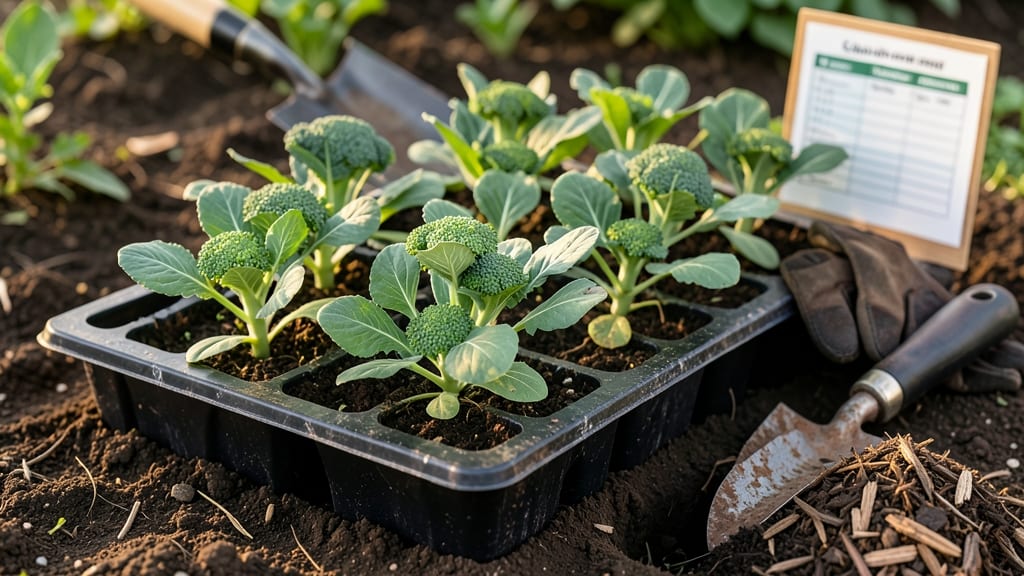
Planting a fall garden in Zone 7 starts 8 to 10 weeks before your first frost—typically mid-August for most of the region, but exact timing depends on your crop.
Missed your spring planting window? Don’t worry—Zone 7’s mild fall climate lets you grow a thriving second garden if you plant at the perfect time. Get exact dates for 15+ crops to avoid frost and maximize your harvest before winter sets in.
Cool-season crops like kale, spinach, and carrots thrive when soil temps drop below 80°F, but rushing them risks stunted growth or frost damage. Meanwhile, faster growers like radishes or turnips can handle cooler soil—just plant them earlier.
Below, I break down the ideal planting windows by crop, soil prep secrets to extend your season, and how to use companion planting to protect your fall harvest from early freezes.

Optimal fall planting dates in Zone 7 by crop type (avoid frost & boost yield)
Zone 7 gardeners have a golden window for fall planting that extends your harvest well into winter. With average first frost dates between October 15-30, timing is everything. Plant too early, and your crops bolt or rot; too late, and frost ruins tender greens.
The key is choosing cool-season crops that thrive in 50-65°F soil and aligning their maturity dates with your frost window.
My fall garden strategy focuses on three crop categories: leafy greens (like spinach and kale), brassicas (broccoli and Brussels sprouts), and root vegetables (carrots and beets). Each has a different frost tolerance and planting timeline to maximize yield.
For example, spinach can handle light frosts, while lettuce bolts quickly in warm fall soil. Let’s break down the exact planting dates and prep steps for each.
For leafy greens, I start seeds in late August when daytime temps drop below 85°F. These fast growers need cool soil to prevent bolting, so I test soil temps with a soil thermometer. Aim for 60-65°F—any warmer, and your lettuce will turn bitter.
Use shade cloth if temps spike unexpectedly. My go-to varieties are Winter Density lettuce (45 days) and Tyee spinach (40 days), both reliable in Zone 7’s fall climate.
Brassicas like broccoli and Brussels sprouts need a longer growing season, so I plant them 60-90 days before frost. In Zone 7, that means early July for transplants or mid-August for direct sowing.
I harden off seedlings for 7-10 days before moving them outdoors to avoid transplant shock. For cabbage, I choose frost-hardy varieties like January King, which sweeten after light frosts.
Root vegetables such as carrots and beets thrive in loose, stone-free soil. I prep beds in late July by removing weeds and amending with compost. For carrots, I sow seeds every 2 weeks from August 1 to September 10 to stagger harvests. Radishes, which mature in 25 days, are perfect for succession planting
5 Critical factors that determine your exact planting window in Zone 7
Your fall garden's success hinges on understanding 5 key factors that shift planting windows dramatically in Zone 7. Unlike spring, fall planting depends on cooler soil temps, daylight hours, and microclimates—not just calendar dates.
Get these wrong, and you'll either have stunted plants or crops killed by early frost.
First, average first frost dates set your outer limit, but they're just one piece of the puzzle. In Zone 7, first frosts typically arrive between October 15 and November 15, but urban areas often freeze 1-2 weeks earlier than rural zones due to the "urban heat island" effect.
This means your planting window could shrink by 10-14 days if you're gardening in the city.
Next, soil temperature becomes your new best friend. Most cool-season crops need soil between 45°F and 75°F to germinate properly. Test your soil with a soil thermometer—if it's still above 80°F in late August, wait until it cools before planting heat-sensitive crops like broccoli or cabbage.
I've planted lettuce too early in 90°F soil and watched it bolt in days!
- 📅 First Frost Date: Plant 8-10 weeks before average frost (urban areas subtract 2 weeks)
- 🌡️ Soil Temp: Ideal range 45°F-75°F—wait until soil cools below 80°F for heat-sensitive crops
- ☀️ Daylight Hours: Below 12 hours of daylight signals it's time to plant cool-season crops
- 🏙️ Microclimates: Urban areas freeze 1-2 weeks earlier than rural zones—adjust your schedule accordingly
- 📊 Local Tools: Use Almanac's Frost Calculator or NOAA Climate Data for hyper-local adjustments
Don't overlook daylight hours—this is where many gardeners go wrong. When daylight drops below 12 hours, your plants will grow slower, and some (like lettuce) may bolt prematurely.
I've found that planting spinach and kale after September 15 gives them enough time to mature before daylight gets too short. Track your local sunrise/sunset times using apps like Sun Surveyor for precise adjustments.
Microclimates create wildly different conditions even within the same ZIP code. A south-facing slope might stay 5-10°F warmer than a north-facing bed, extending your growing season by 2-3 weeks.
I once grew garlic scapes successfully in a microclimate that was 3 weeks later to frost than my neighbor's identical garden! Observe your yard's sun exposure, wind patterns, and how water drains—these factors can shift your planting window by up to 3 weeks.
Finally, use local tools to fine-tune your schedule. The Old Farmer's Almanac provides hyper-local frost dates, while NOAA's Climate Data shows historical temperature trends. I've used these to adjust my broccoli planting from mid-August to early September in years with warmer-than-average summers.
For real-time soil temps, invest in a $20 soil thermometer—it's the single best tool for avoiding failed fall gardens.