
Planting
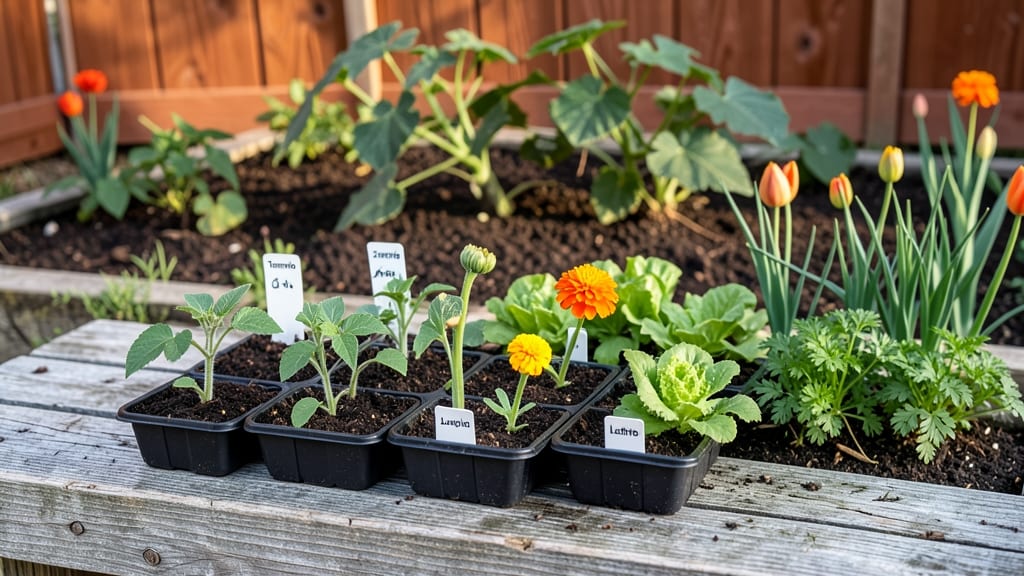
Planting a garden in Missouri at the right time means the difference between a bountiful harvest and a frost-nipped disappointment.
Missouri’s unpredictable frost dates can make or break your garden—planting too early risks frost damage, while waiting too long shortens your growing season. Mastering the perfect timing ensures a thriving harvest from spring greens to fall squash.
With USDA zones ranging from 5b to 7a, Missouri’s climate varies dramatically from St. Louis to Kansas City. Knowing when to start seeds indoors, when to transplant seedlings, and which crops thrive in early spring or late fall is the key to a successful 🌱 garden.
In this guide, I’ll break down the best planting windows by month, share frost-date tricks to avoid common mistakes, and show you how to extend your growing season—so you can enjoy fresh veggies from May through October.
Missouri’s frost dates by zone 5-6: the critical planting windows
Missouri’s USDA zones 5b-6a create unique challenges for gardeners, where last spring frost can arrive as early as March 15 in southern zones or as late as April 15 in northern areas. These dates determine whether your tomatoes or peppers survive or wither overnight.
Understanding your specific microclimate—whether you're in St. Louis, Kansas City, or rural zone 5b—is the key to timing your spring planting perfectly.
Most gardeners rely on the 10-day rule after the average last frost date to safely plant warm-season crops. This buffer accounts for unpredictable late frosts that can still occur in April or even early May.
For example, planting cucumbers just 3 days before a 28°F freeze means certain death, while waiting until May 10 gives them time to establish roots before summer heat arrives.
Here’s how St. Louis (zone 6a), Kansas City (zone 5b-6a), and rural zone 5b areas differ in their frost-free windows. These averages help you plan, but always monitor your local weather forecasts for real-time adjustments.
🌱 PRO TIP: Use a frost calendar from your local Cooperative Extension Service for hyper-localized data. For instance, Columbia (zone 6a) often sees its last frost 2-3 days earlier than St. Louis, giving gardeners an extra window for early spring planting.
| Location | USDA Zone | Avg Last Spring Frost | Avg First Fall Frost | Safe Planting Window |
|---|---|---|---|---|
| St. Louis | 6a | April 10 | October 25 | April 20 - May 10 |
| Kansas City | 5b-6a | April 5 | October 15 | April 15 - May 5 |
| Rural Zone 5b | 5b | April 1 | October 10 | April 11 - April 30 |
| Columbia | 6a | April 8 | October 20 | April 18 - May 8 |
For cool-season crops like spinach or kale, you can plant as early as February under row covers or in high tunnels. These plants tolerate light frosts down to 20°F, so don’t wait for the last frost date to sow them.
However, warm-season crops like eggplants and sweet potatoes need soil temperatures above 60°F and should never be planted before your safe planting window.
Missouri’s fall frost dates are equally critical for late-season harvests. In zone 6a, you can extend your growing season until October 25, while zone 5b areas see frost by October 10.
Plant fast-maturing varieties like bush beans or radishes in late summer for a fall harvest before the first frost. For winter squash or broccoli, sow seeds by July 15 to ensure they mature before frost.
If you’re in a microclimate—like a south-facing slope or near a large body of water—your frost dates may vary by 1-2 weeks from the averages. Test your soil’s warmth
Best vegetables to plant by month in Missouri (zone 5-6 guide)
Missouri’s growing season is short but sweet, and timing is everything. Cool-season crops like spinach and kale thrive in spring and fall, while warm-season favorites like tomatoes and peppers need the heat of summer. By aligning your planting with Missouri’s climate, you’ll maximize yields and avoid frost damage.
Start with early spring plantings (March-April) for hardy greens, then transition to heat-loving veggies by late May. Fall planting (August-September) lets you squeeze in a second harvest before frost. I’ll walk you through the best varieties and planting windows for each month.
- 1 March-April: Plant spinach, peas, lettuce, and radishes as soon as soil is workable (around 40°F). Use row covers for frost protection.
- 2 May: Transplant tomatoes, peppers, and eggplants after last frost (typically mid-May in Zone 5). Start cucumbers and beans from seed.
- 3 June-July: Sow succession crops like bush beans, zucchini, and carrots every 2-3 weeks for continuous harvests. Mulch to retain moisture.
- 4 August: Plant cool-season crops like kale, broccoli, and cabbage for fall harvests. Use fast-maturing varieties (e.g., ‘Early Snowball’ peas) to beat frost.
- 5 September: Direct-sow spinach, radishes, and turnips for early fall harvests. Protect with lightweight row covers if frost threatens.
For warm-season crops, prioritize fast-maturing varieties like ‘Early Girl’ tomatoes (55 days) or ‘Jalapeño’ peppers (60 days). In Zone 6, you can push the season slightly later—plant tomatoes in early June for a longer harvest window.
Missouri’s fall frost typically hits mid-October in Zone 5 and late October in Zone 6. Use this time to plant garlic and onions for next year’s harvest, as they thrive in cooler temperatures. Succession planting in July and August ensures you’re never without fresh veggies.
Pro tip: Keep a planting journal to track frost dates in your specific area. Over time, you’ll refine your schedule—maybe your microclimate allows for earlier tomatoes or later kale. Adjust as needed, and your garden will thank you with bountiful harvests all season long. 🌿