
Planting
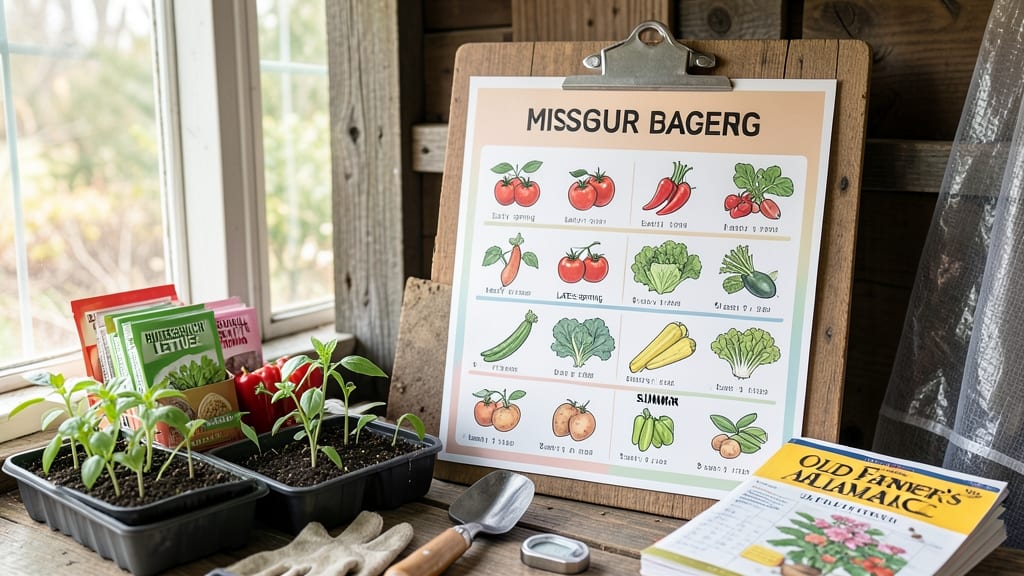
Planting a vegetable garden in Missouri at the right time means the difference between a thriving harvest and a sad pile of frost-nipped seedlings.
Missouri’s unpredictable frost dates and diverse microclimates can turn gardening success into a guessing game—but timing your vegetable plantings correctly ensures a bountiful harvest instead of wilted disappointment.
Whether you're a first-time gardener or a seasoned green thumb, knowing the exact window to plant in Missouri’s USDA Zones 5-7 is the key to thriving crops. Cool-season veggies like lettuce and peas need to go in early, while tomatoes and peppers wait for warmer soil.
Below, I break down the best months for each crop by region, plus how to adjust for early or late frosts—so you can finally stop second-guessing and start growing.
Missouri planting deadlines by vegetable type: frost dates and seasonal timing
Missouri gardeners face unique challenges with its USDA Zones 5-7 and varying last frost dates across regions. In northern Missouri, the average last frost typically falls between April 15-30, while southern Missouri sees frost-free conditions by March 15-April 15.
These differences mean your St. Louis garden might have a 2-week head start over Kansas City or Springfield—a critical window for warm-season crops.
Cool-season vegetables like lettuce and spinach thrive when planted 4-6 weeks before your last frost date, while tomatoes and peppers need soil temperatures above 60°F—usually 2 weeks after your last frost. Understanding these timelines prevents bolting in greens or stunted growth in heat-lovers.
Here’s a region-specific planting timeline for Missouri’s most popular vegetables, including adjustments for early or late seasons:
For warm-season crops like tomatoes and peppers, start seeds indoors 6-8 weeks before your last frost date to give them a head start.
My St. Louis garden often gets a late frost in May, so I plant tomato seedlings in early May and use frost cloth for protection until the threat passes.
Adjust these deadlines if you experience unusually early or late frosts. Check the Missouri Climate Center or local MU Extension reports for updates. For example, if your Kansas City area sees frost in early May, delay planting warm-season crops by 2 weeks to avoid cold damage.
Cool-season vegetables like spinach and radishes can handle light frosts, but avoid planting them too early—soil temperatures below 40°F stunt growth. In Springfield, I often plant lettuce in late February under row covers to jumpstart the season.
Succession planting is key for bush beans and zucchini. Sow seeds every 2 weeks from May through July to ensure a continuous harvest. This works especially well in St. Louis, where summer heat can cause bolting in greens.
Missouri’s first frost dates
How to extend your Missouri gardening season: frost protection and succession planting tips
Missouri’s unpredictable frost dates can leave your garden vulnerable to late spring freezes or early fall chills—but with the right strategies, you can extend your growing season by weeks or even months.
I’ve tested these methods in my own garden, and they’ve helped me harvest tomatoes in October and spinach in April when others give up.
The key is combining frost protection with succession planting. Whether you’re protecting tender seedlings or staggering plantings for continuous harvests, these techniques work for Missouri’s USDA Zones 5-7. Let’s break down the most effective methods, including how to calculate safe planting windows for second crops.
For second crops, calculate your frost-free window by subtracting 140 days (for warm-season crops) from your first frost date. In St. Louis (Zone 6), this means planting tomatoes by June 15 for a fall harvest. Use Missouri’s frost probability maps from the Missouri Climate Center to adjust timings.
Avoid these Missouri-specific mistakes: planting warm-season crops too early (they’ll rot in cold soil) or removing row covers too soon (risking frost damage). I once lost a $50 seedling tray because I forgot to check the National Weather Service alerts—don’t make that mistake!
Pro tip: Pair succession planting with intercropping. For example, plant bush beans between lettuce rows—the beans provide shade for lettuce in summer while the lettuce is already harvested. This maximizes space and extends your harvest timeline naturally.