Planting
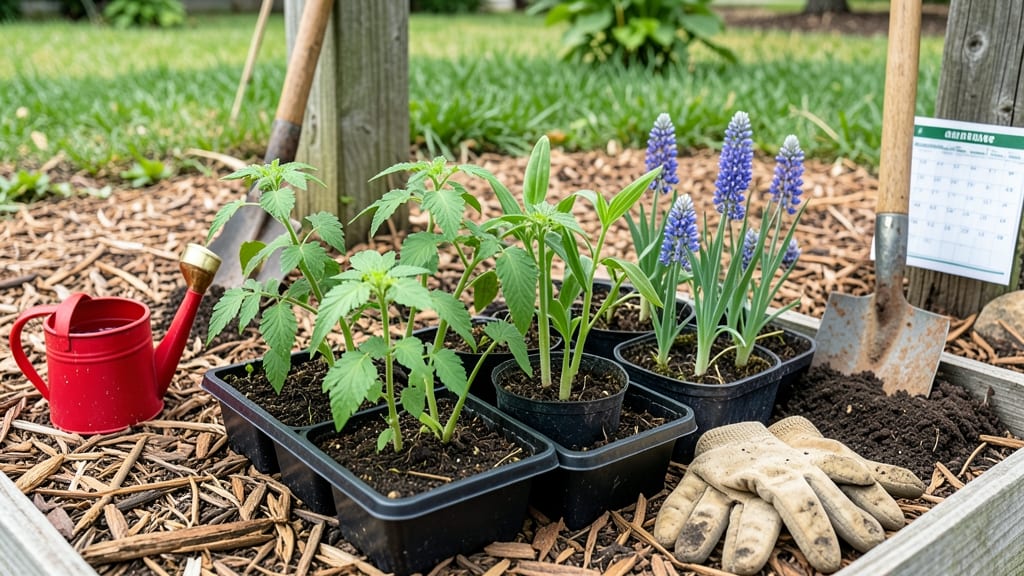
To plant a garden in Texas, aim for early spring and late summer — two windows that avoid the brutal heat and late freezes that wreck crops every year.
Texas gardeners face a unique challenge: scorching summers and unpredictable freezes—but timing your plantings right can mean the difference between a thriving harvest and a failed crop. Unlike northern states, Texas offers two planting seasons, and knowing the exact windows for each zone is critical to success.
Cool-season crops like lettuce and broccoli need to go in the ground 6-8 weeks before the last frost, while heat-lovers such as okra and sweet potatoes thrive when planted after Memorial Day. The wrong timing? Wilted seedlings or bolted greens before you even taste them.
Below, I break down the perfect planting schedule by Texas region, frost risks, and heat-tolerant varieties that actually survive the Lone Star State’s extremes—so you can stop guessing and start growing.
Texas planting zones & best times for cool-season crops
Texas spans 11 USDA hardiness zones, from Zone 6a in the Panhandle to Zone 10b along the Gulf Coast. This diversity creates three distinct gardening regions—North, Central, and South—each with unique frost risks and planting windows.
For cool-season crops like lettuce, broccoli, and spinach, timing is everything to avoid early freezes or heat stress.
In North Texas (Zones 7a-8b), gardeners face the highest frost risk, with average last spring frost dates ranging from March 15 to April 15.
Central Texas (Zones 8a-9a) enjoys milder winters, while South Texas (Zones 9b-10b) rarely sees frost, allowing for year-round cool-season planting with proper shade and irrigation.
Below is your region-specific planting timeline for lettuce, broccoli, spinach, kale, and cabbage, plus frost risk analysis to help you plan ahead and protect your crops.
| Region | USDA Zones | Last Spring Frost | First Fall Frost | Best Planting Window | Frost Risk |
|---|---|---|---|---|---|
| North Texas | 7a-8b | March 15-April 15 | November 1-December 15 | Late Feb-Early April Mid-August-Sept 15 |
High (20-30% chance late frost) |
| Central Texas | 8a-9a | February 28-March 15 | November 15-December 1 | Late Jan-Early April Mid-August-October 1 |
Moderate (10-20% chance late frost) |
| South Texas | 9b-10b | January 15-February 15 | December 15-January 15 | Year-round (with shade) | Low (5% or less chance frost) |
⚠️ Frost Protection: Use row covers for North/Central Texas; South Texas can skip covers.
In North Texas, I recommend starting broccoli and cabbage indoors 8-10 weeks before your last frost date (around January 15) to give seedlings time to harden off. For spinach and lettuce, direct-sow 4-6 weeks before your target planting window to avoid bolting from heat.
Central Texas gardeners have a 2-week advantage. Begin sowing cool-season crops outdoors by late January for early spring harvests. Use shade cloth (30-50%) in summer to protect transplants from heat stress.
South Texas offers the most flexibility. You can plant lettuce and kale year-round, but focus on fall and winter months for the best flavor. For example, sow spinach in September to harvest before summer heat arrives in May.
Always check your local frost dates using the Texas A&M AgriLife Extension
Heat-tolerant vegetables: Texas-specific planting schedule
Texas summers are brutal—100°F+ days aren’t uncommon—but that doesn’t mean you can’t grow a productive garden. The secret? Planting heat-tolerant varieties during the right windows when soil temperatures are ideal (not scorching).
Unlike cool-season crops, these vegetables thrive in the heat once established, giving you a harvest when most gardeners are wilting.
For Texas gardeners, the late spring/early summer (after Memorial Day) and fall (after Labor Day) are your best bets. But timing varies by region—North Texas freezes can linger into April, while South Texas may still be sweltering by June.
I’ll break down the optimal planting schedule for your top heat-loving crops, plus soil prep and watering hacks to beat the Texas heat.
- 1
- 2
- 3
- 4
- 5
Before planting, prep your soil for heat tolerance. Texas clay holds moisture but bakes hard in summer—amend with 2–3 inches of compost and a 2-inch layer of mulch (straw or wood chips) to retain moisture. For containers, use cactus/succulent mix blended with peat moss for better drainage.
Watering is critical—deep soak early morning (before 8 AM) to prevent fungal diseases. Drip irrigation or soaker hoses work best; avoid overhead sprinklers that evaporate water instantly.
For okra and sweet potatoes, let soil dry slightly between waterings to prevent rot. Peppers and eggplants, however, need consistent moisture to avoid blossom end rot.
Pro tip: Use shade cloth (30–50%) over young plants during 100°F+ days to reduce stress. Once established, most heat-lovers will thrive in full sun—just monitor for wilting or yellowing leaves, which signal underwatering or heat shock.
With the right timing and care, you’ll have a bountiful summer harvest when others are struggling.