
Planting
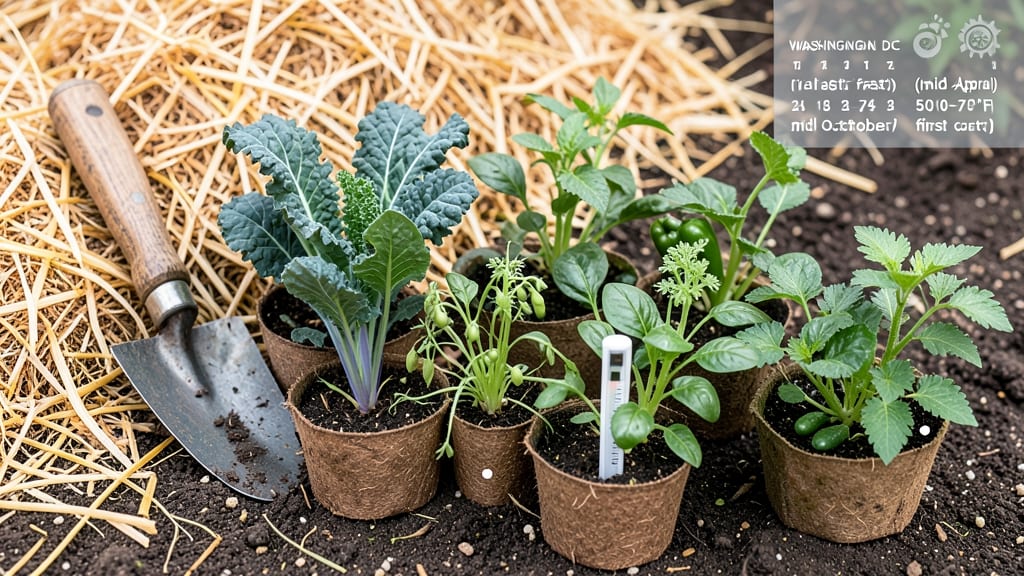
Planting a garden in Washington, DC, at the right time means the difference between a bountiful harvest and a sad pile of wilted seedlings.
Washington, DC’s unique Zone 7b climate means your garden’s success hinges on planting at the perfect time—too early risks frost damage, while late starts may leave you with stunted harvests. Here’s the exact timing you need for vegetables, flowers, and herbs to thrive in the nation’s capital.
Spring is the prime window for most General Garden Plants 🌱, with the last frost typically hitting mid-April, but don’t rush—cool-season crops like spinach and kale can handle a light frost, while warm-season favorites like tomatoes need the soil to warm up first.
Below, I’ll break down the ideal planting calendar, how to adjust for urban heat islands, and the three biggest mistakes DC gardeners make—so you can skip the guesswork and get straight to the dirt.
Washington DC planting calendar by season: exact dates for vegetables, flowers, and herbs
Washington, DC’s Zone 7b climate creates a unique growing window where timing is everything. The last frost date typically falls between March 15–April 15, while the first frost risk arrives around October 15–November 15.
This means you can grow two full harvests—spring and fall—plus summer crops that thrive in DC’s heat. Missing these windows can mean lost yields or struggling plants, so let’s break down the exact dates for your garden’s most productive schedule.
For cool-season crops like spinach, kale, and broccoli, the ideal planting window opens in early March for a spring harvest, with a second chance in late August for fall.
These hardy plants tolerate light frosts and even flourish in cooler temperatures, making them perfect for DC’s early spring and late fall.
Meanwhile, warm-season staples such as tomatoes, peppers, and beans need to wait until after the last frost—usually mid-April to early May—to avoid frost damage and ensure strong growth.
Here’s a quick reference for your garden planning:
| Plant Type | Spring Planting Window | Fall Planting Window | Sun Needs | Notes |
|---|---|---|---|---|
| Cool-Season Vegetables | March 1–April 15 | August 15–September 15 | Full sun to partial shade | Spinach, kale, broccoli, peas |
| Warm-Season Vegetables | April 15–May 15 | July 1–August 1 | Full sun (6+ hours) | Tomatoes, peppers, cucumbers, beans |
| Annual Flowers | April 1–May 10 | July 1–August 10 | Full sun to partial shade | Marigolds, zinnias, sunflowers, cosmos |
| Herbs | March 15–April 30 | August 1–September 1 | Full sun (4+ hours) | Basil, cilantro, parsley, dill |
| Perennial Flowers | March–April (after frost) | N/A (plant in spring) | Partial to full sun | Coneflowers, black-eyed Susans, lavender |
If you’re growing warm-season crops, don’t wait until after May 1—soil temperatures need to reach at least 60°F for seeds to germinate properly. Use a soil thermometer to check, or opt for transplants from local nurseries, which are already hardened off and ready to thrive.
For flowers like marigolds and zinnias, direct sowing in early spring (after frost) or late summer ensures vibrant blooms all season long, with marigolds even repelling pests like nematodes.
For herbs, timing is equally critical. Basil and cilantro hate frost, so wait until mid-April to plant them outdoors.
If you’re impatient, start seeds indoors in March and transplant after the last frost. Parsley and dill, however, are more frost-tolerant and can handle cooler spring temperatures, making them ideal for early planting.
A general rule: herbs need consistent moisture, so mulch around their bases to retain soil moisture during DC’s hot, dry summers.
DC’s urban heat island effect means city gardens can be 5–10°F warmer than suburban areas, which may allow you to plant heat-loving crops like okra or sweet potatoes a week or two earlier.
Monitor your garden’s microclimate by observing how quickly soil warms in spring—if it reaches 65°F by late March, you might safely plant warm-season crops like peppers a bit earlier than the average timeline suggests.
Fall planting is just as strategic.
For a second harvest of cool-season crops, start seeds indoors in mid-July or direct-sow by August 15 to ensure they mature before the first frost. Kale and spinach often taste sweeter after a light frost, so aim to harvest them in late October or early November.
If you’re growing broccoli or cauliflower, plant them by August 1 for a fall harvest, as they need 60–80 days to mature.
Don’t overlook succession planting—this technique lets you stretch harvests by sowing new seeds every 2–3 weeks after the initial planting. For example, lettuce and radishes can be sown every 10–14 days from spring through early fall, ensuring a steady supply. This is especially
How to adjust planting times for Washington DC’s microclimates: urban vs. suburban tips
Washington DC’s urban heat islands can make your garden feel like it’s in a different climate zone than nearby suburbs. In the city, concrete and asphalt absorb heat, raising soil temperatures by 5–10°F compared to rural areas.
This means heat-loving crops like okra, sweet potatoes, and eggplant can thrive 2–3 weeks earlier in urban gardens than in cooler suburban spots. Meanwhile, suburban areas with more green space often experience cooler nighttime temperatures, which can delay planting for sensitive crops like tomatoes and peppers.
To maximize your harvest, adjust planting times based on your location. Urban gardeners should start warm-season crops like peppers and cucumbers by late April, while suburban gardeners may wait until mid-May.
For cool-season crops like spinach and kale, urban areas might see faster growth, allowing for earlier harvests. Always monitor local frost dates—urban areas can have later last frosts due to retained heat.
Here’s how to adapt your planting schedule for DC’s microclimates:
If you’re gardening in the city, consider using soil-warming techniques like black plastic mulch or row covers to jumpstart growth. These methods can raise soil temperatures by 5–10°F, allowing you to plant tomatoes and peppers as early as late April.
For suburban gardeners, focus on season extension with cold frames or hoop houses to protect tender plants from unexpected late spring frosts or early fall chills.
Another key difference is pest pressure. Urban gardens often attract more pests due to the concentration of plants and lack of natural predators. To combat this, use organic pest controls like neem oil or companion planting.
Suburban gardens may have fewer pests but can still suffer from squash vine borers or Japanese beetles, so stay vigilant with monitoring and traps.
For both urban and suburban gardeners, test your soil in early spring to ensure it’s ready for planting. Urban soils may be more compacted and nutrient-poor, while suburban soils might retain moisture longer.
Amend your soil with compost or aged manure to improve structure and fertility. With these adjustments, you’ll be well on your way to a bountiful harvest tailored to DC’s unique growing conditions. 🌱