
Planting
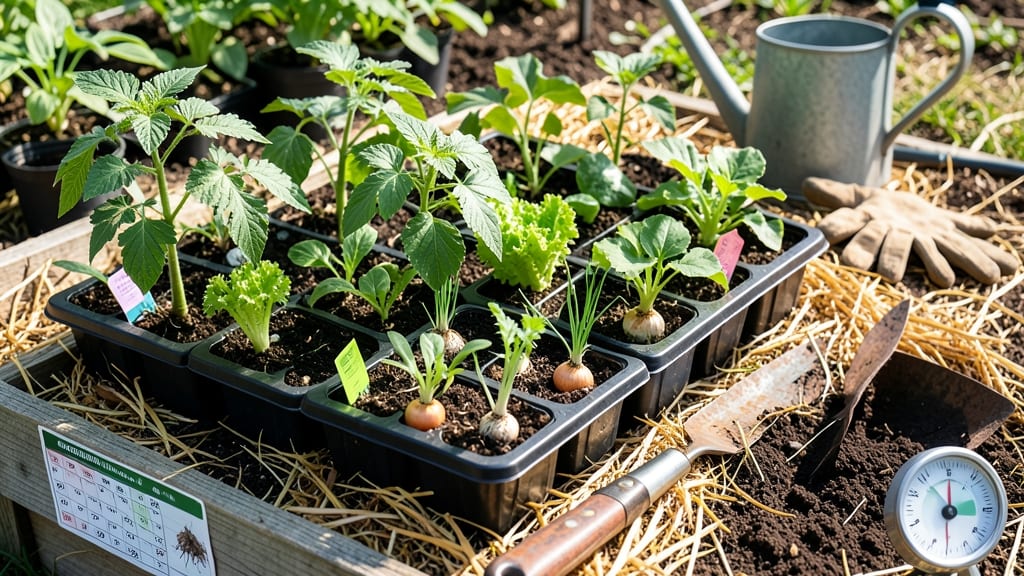
Planting a vegetable garden in Pennsylvania at the right time means the difference between a bountiful harvest and a sad, frost-nipped failure.
Pennsylvania’s unpredictable weather can make or break your 🥬—plant too early and risk frost damage, too late and miss peak harvests. Timing is everything, and Zone 6A/6B gardeners need a precise roadmap to maximize yields.
Cool-season crops like spinach and peas thrive when planted 4-6 weeks before your last frost date, while warm-season favorites like tomatoes and peppers need soil temperatures of at least 60°F to take off.
Below, I’ll break down the exact planting windows for your region, share strategies to adjust for late frosts, and highlight the top 5 high-yield crops that thrive in PA’s short season.
Pennsylvania planting calendar by vegetable type: exact dates for zone 6A/6B
Pennsylvania’s Zone 6A/6B gardeners face a 165-200 day growing season, making precise planting dates critical. The average last frost date ranges from mid-April (southern PA) to late April (northern PA), while the first frost typically arrives mid-October.
These dates create narrow windows for cool-season and warm-season crops to thrive.
For cool-season vegetables like spinach, peas, and kale, I recommend starting seeds 4-6 weeks before your last frost date. In most of PA, this means early March to early April for indoor starts or late March to mid-April for direct sowing.
These hardy crops can handle light frosts and even snow cover, making them ideal for early spring planting.
Warm-season crops like tomatoes, peppers, and cucumbers demand patience—they won’t tolerate frost and need soil temperatures above 60°F. In PA, this usually means waiting until mid-May to early June for transplanting seedlings or late May to early June for direct sowing. Using black plastic mulch can warm the soil faster and extend your planting window by 1-2 weeks.
Here’s my summary table of exact planting windows for PA’s most popular vegetables, adjusted for Zone 6A/6B microclimates:
| Vegetable | Cool-Season Planting | Warm-Season Planting | Succession Planting | Notes |
|---|---|---|---|---|
| Peas | Early March–Mid-April | N/A | Every 2 weeks until May | Tolerates frost; use trellis |
| Spinach | Late March–Early May | Late July–Early Aug (fall) | Every 3 weeks | Bolt-resistant varieties for summer |
| Lettuce | Early March–Mid-May | Late July–Early Aug | Every 2 weeks | Shade cloth for summer |
| Tomatoes | N/A | Mid-May–Early June | N/A (long season) | Use row covers for early starts |
| Peppers | N/A | Late May–Early June | N/A | Slow to germinate; keep warm |
| Green Beans | Late April–Early May | Late June–Early July | Every 2 weeks | Bush or pole varieties |
| Carrots | Early April–Mid-May | Late July–Early Aug | Every 3 weeks | Loose soil required |
| Zucchini | N/A | Late May–Early June | N/A | Fast-growing; harvest young |
For succession planting, I recommend staggering seeds every 2-3 weeks for crops like lettuce, spinach, and green beans. This ensures a continuous harvest and prevents bolting.
For example, sow lettuce every 2 weeks from March to August, and green beans every 2 weeks from May to July for a steady supply.
In southern PA (Zone 6B), you can extend your growing season by 2-3 weeks compared to northern areas. Use a frost-free date calculator from Penn State Extension to fine-tune your schedule
How to adjust planting times for Pennsylvania’s unpredictable weather patterns
Pennsylvania’s Zone 6A/6B climate delivers 165-200 frost-free days, but sudden temperature swings can derail even the most meticulous planting plans. I’ve learned the hard way that a late-May frost can wipe out tender seedlings, while early-June heatwaves might stunt cold-sensitive crops.
The key? Flexible timing strategies that account for PA’s microclimates—from Pittsburgh’s urban heat islands to the Poconos’ cooler valleys.
My go-to solution? A three-pronged approach: row covers for early starts, cold frames for late-season protection, and soil warming to jumpstart warm-season crops. For example, I’ve successfully grown tomatoes in late May by using black plastic mulch to raise soil temps to 60°F+—the magic threshold for germination.
Meanwhile, spinach and peas thrive when planted 4-6 weeks before the average last frost (mid-April in most of PA).
⚠️ callout warning
🌡️ PA’s Frost Risk Zones
Pennsylvania’s last frost dates vary by 10+ days across regions. Use these critical benchmarks:
- Western PA (Zone 6B): Last frost April 20-25, first frost October 15-20
- Central PA (Zone 6A): Last frost May 1-5, first frost October 5-10
- Northeast PA (Zone 5-6): Last frost May 10-15, first frost September 25-October 5
⚠️ Pro Tip: Check Penn State Extension’s frost maps annually—they update based on 5-year averages, not just the previous year’s data.
For warm-season crops like peppers and eggplants, I swear by transplanting after Memorial Day (even if soil is warm earlier). These plants are frost-sensitive but also slow to mature—they need 90+ days to harvest, so planting too early risks bolt damage from late frosts.
Instead, I use biodegradable seedling pots and row covers to harden off plants for 2 weeks before setting them out.
Cold frames are my secret weapon for fall planting. Last year, I extended my kale and carrots harvest until mid-November by using a low-tunnel hoop house with clear plastic.
The 5-10°F temperature buffer delayed frost damage by 3-4 weeks, letting me enjoy homegrown greens when stores were stocked with imported (and often less flavorful) alternatives.
Soil warming is another game-changer. I’ve had 30% faster germination for cucumbers and squash by laying down black landscape fabric 2 weeks before planting. The fabric absorbs heat during the day and radiates it at night, creating a microclimate that’s 5-8°F warmer than surrounding soil.
Pair this with drip irrigation to maintain moisture, and you’ve got the perfect setup for heat-loving crops in PA’s short growing season.
Don’t forget succession planting—it’s how I’ve managed to harvest bush beans every 2 weeks from June to September. By staggering plantings every 10-14 days, I ensure a continuous supply even if one batch gets hit by unexpected rain or pests.
For leafy greens, I’ll plant spinach in early April, lettuce in late April, and kale in early June for a summer-to-fall harvest.
Remember, PA’s weather is unpredictable but not impossible to work with. With these adjustable strategies, I’ve turned late starts into bountiful harvests and early frosts into extended growing seasons.
The key is flexibility—stay alert, adapt quickly, and always have a backup plan for those surprise cold snaps or heatwaves. Happy planting! 🌱