
Planting
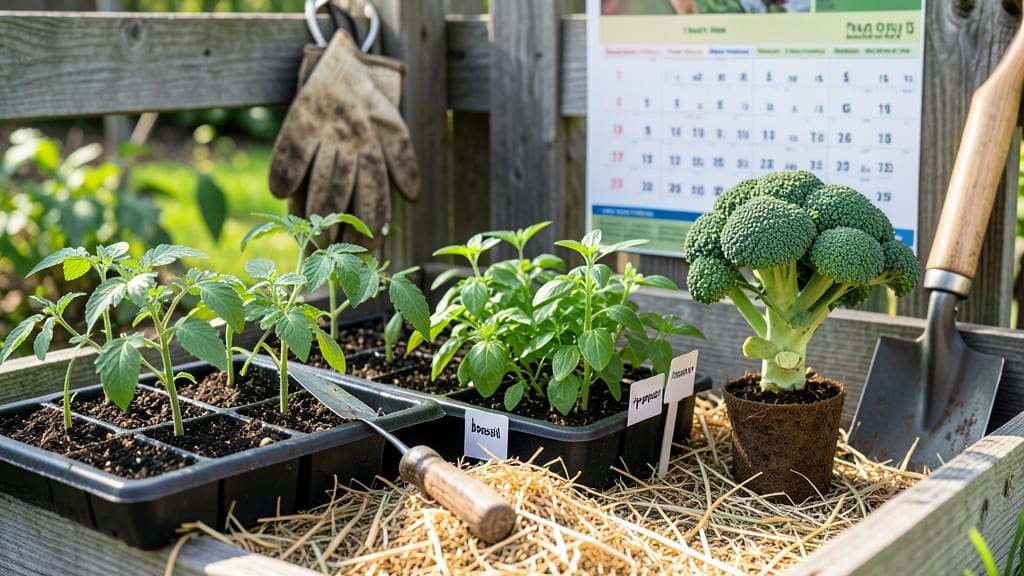
Planting your garden in Pennsylvania at the right time means the difference between a thriving harvest and wasted effort, especially with the state’s varied USDA zones 5a through 7a.
Picture this: you’ve spent weeks preparing soil, selecting seeds, and dreaming of fresh tomatoes and crisp lettuce—only to watch them bolt or wilt because you planted too early or too late. Pennsylvania’s climate shifts dramatically from the cooler Great Lakes region to the warmer valleys, making timing everything.
This guide cuts through the guesswork by breaking down when to start seeds indoors, when to sow directly, and how to adjust for your specific zone.
We’ll cover everything from cool-season crops like spinach to warm-season favorites like peppers, so you can align your planting with Pennsylvania’s frost dates and seasonal transitions.
You’ll walk away with a month-by-month planting calendar, pro tips for microclimates, and even how to use row covers to extend your growing season. Let’s get those seeds in the ground at the perfect moment!
Pennsylvania planting zones: when to start seeds indoors vs. direct sowing outdoors
Pennsylvania spans USDA Hardiness Zones 5a to 7a, creating distinct planting windows across the state. The last average frost dates vary by region—from late April in Zone 7a (southeastern PA) to early June in Zone 5a (north-central PA).
Understanding these zones helps you decide whether to start seeds indoors or sow directly outdoors to avoid transplant shock and maximize yields.
For cool-season crops like broccoli, spinach, and peas, you can often direct-sow outdoors as early as 4-6 weeks before your last frost date.
However, warm-season crops such as tomatoes, peppers, and basil require indoor seed starting 6-8 weeks before transplanting—typically between February and April—to give them a head start before the last frost.
Here’s how to match your planting strategy to your USDA zone and crop type:
In Zone 5a, where frosts linger until mid-May, I recommend starting tomatoes and peppers indoors by March 15 to ensure they’re ready for transplanting after the last frost. For cool-season crops, direct-sow spinach and peas as early as April 1—they tolerate light frosts and mature quickly.
In Zone 7a, where the growing season begins earlier, you can start warm-season seeds indoors as early as February 15 and transplant outdoors by April 1.
Transplant shock is a real risk if you move seedlings too soon. Harden off seedlings by gradually exposing them to outdoor conditions for 1-2 weeks before transplanting. Place them in a shaded, sheltered spot and increase their time outside daily.
This process helps them adjust to wind, sun, and temperature fluctuations without stressing their roots.
For warm-season crops, wait until soil temperatures reach 60°F (15°C) before transplanting. Use a soil thermometer to monitor temperatures—cool soil can stunt root growth.
In Zone 6a, where last frosts occur around April 15, aim to transplant tomatoes and peppers by May 1 to give them enough time to mature before the first fall frost.
If you’re growing cool-season crops like kale or carrots, you can extend your harvest by sowing succession crops every 2-3 weeks until early summer. These crops handle cooler temperatures better and can even bolt less quickly if planted in partial shade during hot spells.
In Zone 5aApril, May, and June for a continuous harvest.
Don’t forget about fall planting! Many cool-season crops thrive when planted in late summer for a fall harvest. In Zone 7aSeptember 1, while broccoli and cabbage should go in by August 1 to mature before the first frost.
Use row covers to protect tender seedlings from unexpected cold snaps.
Local resources like the Penn State Extension offer frost-free date maps and planting guides tailored to your specific county. Their data accounts for microclimates and historical weather patterns, which can vary even within the same zone. Always check their annual frost date updates to fine-tune your planting schedule.
By aligning your planting strategy with your USDA zone and crop requirements, you’ll avoid common pitfalls like transplant shock or premature bolting. Whether you’re a beginner or a seasoned gardener, mastering these timelines will help you grow a thriving, productive garden in Pennsylvania’s diverse climate.
Best month-by-month planting calendar for Pennsylvania gardens
Pennsylvania’s gardening season spans from early spring to late fall, but knowing exact planting times for each crop ensures success. The Keystone State’s USDA zones 5-7 create microclimates where last frost dates can vary by weeks.
For example, Philadelphia’s average last frost is April 15, while Pittsburgh’s is May 1. Planning ahead lets you grow everything from cool-season greens to heat-loving tomatoes.
Start by dividing crops into cool-season (hardy to light frost) and warm-season (needing soil temps above 60°F). My rule of thumb? Plant cool crops 4-6 weeks before last frost, and warm crops 2-3 weeks after.
Adjust for early, mid-, and late-season varieties—like tomatoes—to extend harvests. Let’s break it down month by month for a productive PA garden.
- 1 March-April: Start cool-season crops indoors (broccoli, cabbage) and direct-sow peas, spinach, lettuce when soil reaches 40°F.
- 2 May: Transplant tomatoes, peppers, eggplants after last frost (use row covers if nights dip below 50°F). Direct-sow beans, corn, cucumbers.
- 3 June: Succession plant lettuce, radishes, carrots for fall harvests. Add marigolds, nasturtiums to deter pests. Watch for tomato blight—prune lower leaves.
- 4 July-August: Plant fall broccoli, kale, Brussels sprouts 90 days before first frost. Sow cover crops (clover, vetch) to enrich soil for next year.
- 5 September: Direct-sow garlic, onions, winter rye. Harvest peppers, tomatoes, squash before hard frost. Mulch perennials with straw.
- 6 October-November: Plant spring-blooming bulbs (daffodils, tulips) in well-drained soil. Cover tender perennials with straw or burlap for winter protection.
For tomatoes, my go-to strategy is transplanting early varieties (like 'Stupice') in late May and late varieties (like 'Brandywine') in early June. This stretches harvests from July through October. Peppers need even warmer soil—wait until mid-May unless you use black plastic mulch to warm the ground faster.
Don’t forget herbs like basil and cilantro—they bolt in heat.
I sow basil in late May after frost risk passes and cilantro in early September for a fall crop. Flowers such as zinnias and marigolds thrive when planted in June for summer color, while pansies can handle light frosts and bloom from spring to fall.
Pro tip: Use Penn State Extension’s frost date maps to fine-tune your schedule. In Zone 5a (e.g., Erie), start earlier than in Zone 7a (e.g., Delaware Valley).
Adjust for microclimates—south-facing beds warm up faster than north-facing ones. With this calendar, you’ll maximize yields and minimize wasted effort in your PA garden. 🌱