
Planting
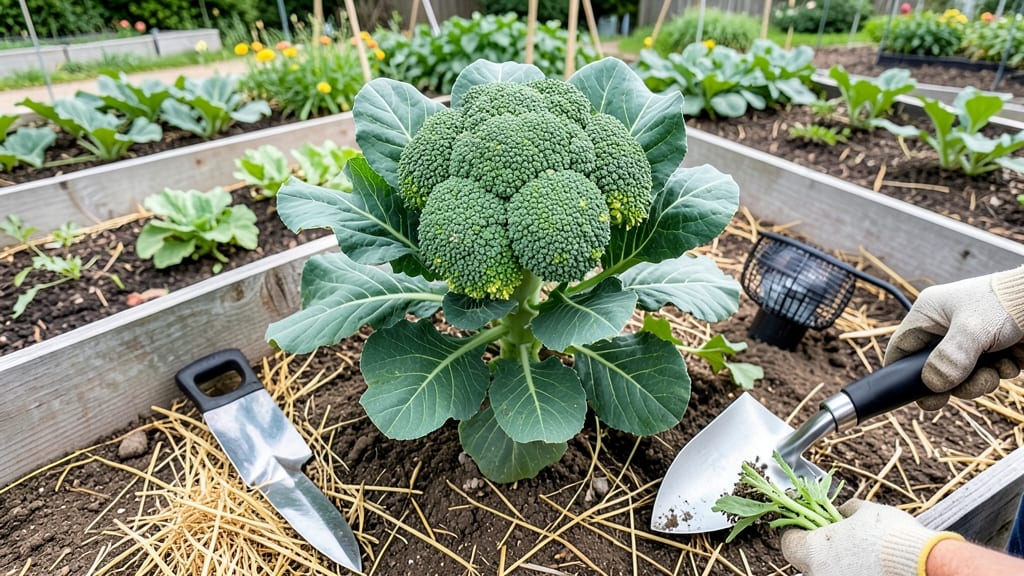
To plant a fall garden in Alabama, aim for late summer—typically between mid-August and early September—when soil stays warm enough for roots but nights cool for quick harvests.
Alabama’s warm climate means fall gardening can be a goldmine—but planting too early or late ruins your harvest. Timing is everything, and these zone-specific deadlines will help you maximize yields before winter sets in.
Whether you’re in Zone 7A or Zone 7B, cool-season crops like kale, broccoli, and carrots thrive with the right start. Miss the window, and pests or frost will steal your bounty.
Below, I break down the exact planting dates by zone, the best crops for Alabama’s fall, and how to stretch your harvest deep into winter with simple tricks.
Alabama fall planting deadlines by hardiness zone (7A vs. 7B)
Alabama’s fall gardening season thrives between Zone 7A (colder) and Zone 7B (warmer), but the difference of just 5°F means your planting window can shift by weeks. Understanding these critical deadlines ensures your cool-season crops mature before first frost—typically late November in 7A and early December in 7B.
In Zone 7A (northern Alabama), the last frost date averages November 15, while Zone 7B (southern Alabama) often holds off until December 1. This means your fall transplant window closes earlier in 7A—usually by mid-October—whereas 7B gardeners can push seeds until late October for some varieties.
Here’s the key: Direct-sown crops like lettuce and radishes have more flexibility, but transplants (e.g., broccoli or kale) need 60–90 days to mature. Miss the deadline, and you’ll face stunted growth or frost damage before harvest.
🌱
| Crop Type | Zone 7A Deadline | Zone 7B Deadline | Notes |
|---|---|---|---|
| Leafy Greens (Lettuce, Spinach) | Seeds: Oct 15 Transplants: Sep 20 |
Seeds: Oct 30 Transplants: Oct 5 |
Fast-growing; tolerate light frost. |
| Broccoli, Cabbage, Kale | Transplants: Sep 15 | Transplants: Sep 30 | Need 70–90 days to mature. |
| Carrots, Radishes, Beets | Seeds: Oct 1 | Seeds: Oct 15 | Direct-sow; harvest before hard frost. |
| Onions, Garlic | Sets: Oct 10 | Sets: Oct 25 | Plant 4–6 weeks before first frost. |
| Herbs (Parsley, Cilantro) | Seeds: Sep 1 | Seeds: Sep 15 | Biennial herbs; harvest before bolting. |
For Zone 7A, prioritize early September transplants of head-forming crops like cauliflower or brussels sprouts, as they need 100+ days to mature. In Zone 7B, you can stretch this to mid-September, but watch for unpredictable cold snaps—especially in the Tennessee Valley or Appalachian foothills.
Pro tip: Use soil thermometers to confirm 50–60°F soil temps before planting. Cool soil slows germination, and fall seeds won’t sprout if the ground is still warm. Mulch with straw or leaves to moderate temperatures and retain moisture.
🌿
If you’re succession planting (e.g., every 2 weeks for lettuce), start your last batch by October 1 in 7A or October 15 in 7B. This ensures a continuous harvest before hard frosts lock the soil.
For herbs like dill or cilantro, sow seeds 6–8 weeks before first frost—earlier in 7A to avoid bolting.
Don’t forget frost-sensitive crops like bush beans or cucumbers. These belong in spring gardens—fall planting will result in bitter, stunted plants if sown after mid-August. Save your warm-season seeds for next year!
💧
To extend your fall garden, consider low tunnels or row covers in Zone 7A. These can push your harvest window 2–4 weeks later, protecting crops like spinach or kale from light frosts (28–32°F). In Zone 7B,
Best fall vegetables for Alabama gardens (and when to start seeds)
Alabama’s fall garden thrives when you plant the right cold-hardy vegetables at the perfect time. Unlike spring planting, fall offers a longer growing window before frost, but timing is critical—start too late, and you’ll miss your harvest.
The key is selecting varieties that tolerate cooler temperatures while still maturing before winter sets in.
For Alabama gardeners, direct sowing vs. transplanting depends on the crop and your zone. Most leafy greens and root vegetables can handle direct sowing 6-8 weeks before your first frost, while transplants like broccoli and cabbage need a head start indoors.
Let’s break down the top 10 fall crops and their ideal planting windows for Alabama’s zones 7A and 7B.
- 1. Lettuce & Spinach (Direct Sow) – Start seeds 8-10 weeks before frost (late July-early August). Choose heat-tolerant varieties like 'Black Seeded Simpson' lettuce.
- 2. Kale (Direct Sow or Transplant) – Sow seeds 6-8 weeks before frost (early August) or transplant 4-6 weeks before frost (late August). 'Lacinato' kale handles light frost.
- 3. Carrots (Direct Sow) – Plant seeds 10-12 weeks before frost (late July). Use loose, rocky-free soil to prevent forking.
- 4. Radishes (Direct Sow) – Fast-growing! Sow 4-6 weeks before frost (late August) for quick harvests. 'Cherry Belle' matures in 25 days.
- 5. Broccoli (Transplant) – Transplant 6-8 weeks before frost (early-mid August). 'Waltham 29' resists bolting in cooler weather.
- 6. Brussels Sprouts (Transplant) – Plant 8-10 weeks before frost (late July). Needs full sun and rich soil—harvest after frost for sweeter flavor.
- 7. Turnips (Direct Sow) – Sow seeds 8-10 weeks before frost (late July). Harvest greens early; roots mature in 60 days.
- 8. Green Onions (Direct Sow or Transplant) – Plant 4-6 weeks before frost (late August). 'Evergreen Hardy White' regrows after cutting.
- 9. Beets (Direct Sow) – Sow seeds 10-12 weeks before frost (late July). 'Detroit Dark Red' stores well in cool weather.
- 10. Collard Greens (Direct Sow or Transplant) – Plant 6-8 weeks before frost (early August). 'Georgia Southern' thrives in Alabama’s mild winters.
Soil prep is just as important as timing. Before planting, amend your soil with compost or aged manure to improve drainage and fertility. Alabama’s clay-heavy soils benefit from organic matter to prevent compaction. For transplants, harden them off for 7-10 days before moving to the garden to reduce shock.
Don’t forget to mulch heavily after planting to retain moisture and regulate soil temperature. Straw or shredded leaves work well. In zone 7B, you can push the season further by using row covers to protect tender crops like lettuce from unexpected cold snaps.
For succession planting, focus on fast growers like radishes, lettuce, and green onions. Sow new seeds every 2 weeks to ensure a steady supply. This works especially well in container gardens or small spaces, where you can stagger plantings without overcrowding.
Remember, Alabama’s first frost typically arrives between mid-November and early December, depending on your zone. Plan your fall garden to harvest most crops before hard frosts, but don’t rush—many greens like kale and collards sweeten after frost, making them even more delicious!