
Planting
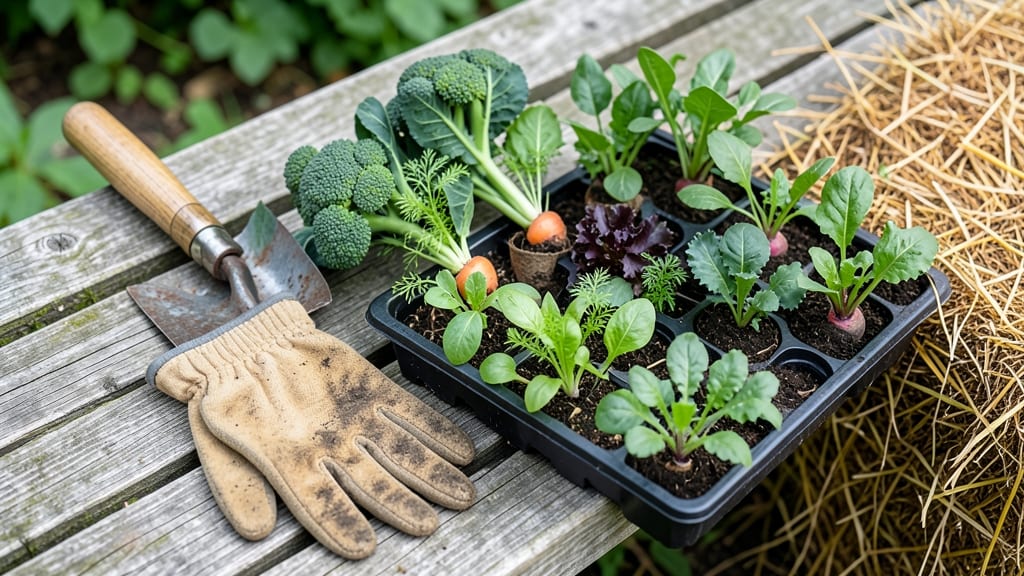
Planting your fall garden in Central Texas between late August and mid-October is the key to beating the heat and enjoying fresh produce before winter 🥬.
Central Texas gardeners know the summer heat can be brutal—but with the right timing, you can still enjoy a thriving fall garden packed with fresh, homegrown produce.
This isn't just about avoiding the worst of the summer heat; it's about choosing the right crops and planting them at the perfect moment to ensure a safe harvest before the first frost.
Below, I’ll break down the exact planting window, the best heat-tolerant crops for your zone, and how to avoid common mistakes that can ruin your fall garden before it even starts.
Central Texas fall planting timeline: exact dates for heat-tolerant vegetables
Central Texas gardeners face a unique challenge: the lingering summer heat that can make fall planting tricky. But with precise timing, you can still grow heat-tolerant okra, sweet potatoes, and malabar spinach until the first frost.
The key is understanding your microclimate and adjusting for soil heat retention—especially in urban areas like Austin or San Antonio.
Unlike northern regions, Central Texas' last frost date typically falls around November 15, but heat lingers longer in low-lying areas. For a successful fall harvest, start planting 6-8 weeks before frost—meaning your window opens around late August for heat-loving crops.
This timeline accounts for Central Texas' USDA Zone 8a-9a and the region's unpredictable weather shifts.
| Crop | Planting Window | Key Notes | Harvest Time |
|---|---|---|---|
| Okra | Late August - Mid-September | Direct sow after soil temps drop below 90°F; thrives in heat | October - November |
| Sweet Potatoes | Early August - Early September | Plant slips in warm soil; needs 90-120 days to mature | October - December |
| Malabar Spinach | Mid-August - Late September | Heat-tolerant vine; direct sow or transplant | September - November |
| Southern Peas (Cowpeas) | Late July - Early September | Drought-resistant; fix nitrogen in soil | September - November |
| Swiss Chard | Mid-September - Early October | Tolerates light frost; direct sow after heat subsides | October - December |
For okra, the optimal window is late August to mid-September when soil temperatures start dropping below 90°F. This crop actually performs better in warm soil, so don't wait until fall cools completely.
I've found that planting after Labor Day gives okra enough time to mature before the first frost hits in November.
If you're growing sweet potatoes, start planting slips (young plants) as early as early August in well-draining soil. These tubers need 90-120 days to reach harvest size, so planting too late will leave you with small yields.
In my Zone 8b garden, I always plant by mid-August to ensure a full harvest before temperatures drop.
For malabar spinach, a heat-tolerant alternative to traditional spinach, direct sow seeds mid-August to late September. This vine thrives in 60-90°F soil and can handle light frosts, making it perfect for Central Texas' transitional climate. I've successfully grown it until mid-November with proper mulching.
Don't overlook Southern peas (cowpeas), which are incredibly drought-resistant and fix nitrogen in the soil. Plant these late July to early September for a fall harvest.
They tolerate heat better than most legumes and add a nutty flavor to your garden. I've had great success with 'Purple Hull' variety in my raised beds.
As temperatures drop in October, shift to cooler-season crops like Swiss chard. This leafy green handles light frost and can be planted until early October for a harvest through December.
I always direct sow chard in late September to take advantage of the cooler nights while still getting full sun exposure.
Remember that microclimates play a huge role in Central Texas. Urban areas like Austin stay warmer longer than rural spots, so adjust your planting dates accordingly. If you're in a low-lying area, plant heat-loving crops 1-2 weeks earlier than the timeline suggests.
Always check your local frost dates and adjust for your specific location.
To extend your growing season, use row covers or cold frames for late-planted crops. I've successfully protected malabar spinach and Swiss chard through early December using lightweight row covers. This simple technique can add 2-3 extra weeks of harvest time in Central Texas' unpredictable fall weather.
Finally, monitor your soil temperature with a soil thermometer—ideal planting temps for fall crops range from 60-85°F. If your soil stays above 90°F past mid-September, wait a few weeks before planting heat-sensitive varieties. This small adjustment can make the difference between a thriving garden and failed germination.
Top 5 heat-tolerant fall crops for Central Texas gardens (with planting tips)
Central Texas summers are long and hot, but that doesn't mean your garden has to take a break in fall. The key is selecting heat-tolerant crops that thrive in late-summer conditions while preparing for cooler weather.
These five varieties are perfect for extending your harvest season, even when temperatures linger above 90°F.
My top recommendations for Central Texas gardens include okra, sweet potatoes, malabar spinach, black-eyed peas, and collard greens. Each of these plants handles Texas heat better than traditional fall crops, giving you a head start before the first frost.
Let's dive into planting specifics to maximize your success.
- 1. Plant okra in late August for a fall harvest. Use 1-inch deep seeds with 12-inch spacing between plants.
- 2. Start sweet potatoes from slips in early September. Space them 18-24 inches apart in well-draining soil.
- 3. Sow malabar spinach directly after Labor Day. Plant seeds ½-inch deep with 12-inch spacing.
- 4. Direct-seed black-eyed peas in mid-September. Use 1-inch deep planting with 3-inch spacing.
- 5. Transplant collard greens in October. Space them 12-18 inches apart in full sun.
For okra, which is one of the most heat-tolerant crops, focus on varieties like 'Clemson Spineless' or 'Emerald'. These varieties handle Central Texas heat exceptionally well and produce pods even when temperatures dip into the 70s. Plant them in full sun with well-draining soil and watch them thrive.
If you're growing sweet potatoes, consider 'Beauregard' or 'Georgia Jet' for their disease resistance and adaptability. These varieties mature quickly, making them ideal for late-summer planting. Use black plastic mulch to warm the soil and speed up germination, which is crucial in Central Texas' variable fall weather.
Don't overlook malabar spinach, a tropical relative of true spinach that thrives in heat. This leafy green grows quickly and produces abundant harvests even when other greens bolt. Pair it with black-eyed peas for a complementary planting scheme—both crops love warm soil and handle Texas heat beautifully.
Finally, collard greens are a must-have for Central Texas fall gardens. Varieties like 'Georgia Southern' or 'Vates' tolerate heat better than traditional kale and become sweeter after frost. Plant them in well-amended soil with compost to ensure robust growth throughout the season.
To boost your success, practice companion planting. For example, pair okra with basil to repel pests naturally, or plant collard greens near onions to deter cabbage worms. These strategies help maximize space and improve yields in your heat-tolerant fall garden.