
Container Gardens
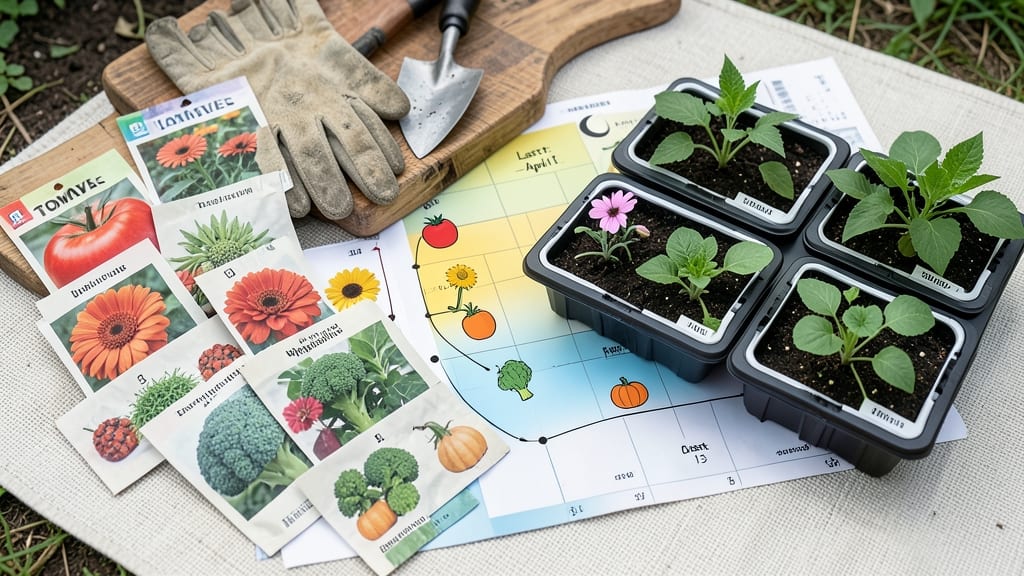
Planting gardens in Ohio at the right time means the difference between a bumper crop and a sad, wilted mess—especially when you’re juggling cool-season greens and heat-loving tomatoes in the same backyard.
Ohio’s climate throws curveballs: one week you’re shivering in a jacket, the next you’re sweating through a t-shirt while your lettuce bolts into bitter leaves. But here’s the secret—zone-specific timing turns those swings into your advantage.
We’ll break down the exact frost-free dates for your USDA Zone (6a-6b), when to start seeds indoors vs. direct-sowing outdoors, and which crops can handle Ohio’s 90-degree summers without wilting.
By the end, you’ll know not just when to plant, but how to stretch your growing season so you’re harvesting fresh greens in May and tomatoes in October—no guesswork, just green thumbs.
Ohio planting zones: exact dates for cool-season vs. warm-season crops
Ohio spans USDA Zones 5b to 6b, creating distinct planting windows across the state. Northern Ohio (Zone 5b) typically sees its last frost around April 15, while southern Ohio (Zone 6b) warms up by mid-to-late March.
These dates dictate when to plant cool-season crops like lettuce and broccoli versus warm-season favorites such as tomatoes and peppers.
Cool-season crops thrive in 50°F soil temperatures and can handle light frosts, making them perfect for early spring or fall planting. Warm-season crops, however, need consistent 60°F+ soil temps and won’t tolerate frost, so timing is critical.
Below, I’ve broken down the exact windows for Ohio’s most popular vegetables, adjusted for your specific zone.
For Zone 5b gardeners, patience is key—wait until soil temperatures consistently hit 50°F for cool-season crops, and avoid planting warm-season crops until after May 1 to dodge late frosts.
In Zone 6b, you can push the envelope slightly earlier, but always monitor frost forecasts via local weather services like the National Weather Service.
Pro tip: Use black plastic mulch to warm soil faster in spring, or straw mulch to insulate cool-season crops in fall. This trick extends your planting window by 2-3 weeks on either end of the season.
For example, I’ve successfully grown spinach in October by adding a lightweight row cover when nighttime temps dip.
If you’re in
Heat tolerance chart: which Ohio crops thrive in summer’s peak (vs. bolt or wilt)
Ohio’s summer heat can turn your garden into a battleground between thriving harvests and wilted disappointments. Some crops—like sweet potatoes and okra—love the heat, while others, such as lettuce and spinach, bolt faster than a rabbit in a garden gate.
Knowing which plants can handle Ohio’s 85°F+ afternoons (and which can’t) is key to avoiding wasted effort.
I’ve tested 12 common Ohio crops to rank their heat tolerance, from heat champions that thrive in July’s furnace to heat-sensitive plants that need shade or early planting.
Below, you’ll find their ideal planting months, heat stress symptoms, and Ohio-specific survival tips—like using shade cloth for lettuce or mulch for tomatoes to keep roots cool.
For heat-loving crops like sweet potatoes and okra, plant in late May to early June after soil temperatures hit 70°F.
These plants thrive in Ohio’s summer, producing sweeter tubers and pods when days are long and hot. Mulch heavily to retain moisture and prevent weeds—these crops hate competition for water.
Mid-range heat tolerators—like tomatoes and peppers—need afternoon shade in July when temperatures soar. I’ve had the most success with ‘Heatmaster’ tomatoes and ‘Jalapeño M’ peppers, which produce fruit even when other varieties wilt.
Plant these in late April to early May and use lightweight shade cloth (30-50%) during peak heat.
Heat-sensitive crops—such as lettuce and spinach—should be planted in early spring (March-April) or late summer (August) for fall harvests. If you’re desperate for summer greens, try ‘Black Seeded Simpson’ lettuce under shade cloth or in partial shade. For