My childhood summers were spent knee-deep in my grandfather’s vegetable garden, where he taught me that the best lessons come from the soil. I started this site because I believe gardening should be as much about joy as it is about growth—whether you’re a seasoned green thumb or someone who just wants a few herbs to spice up their meals. Here, you’ll find practical tips, honest advice, and a little bit of the wonder I still feel every time I watch a seedling push through the dirt.
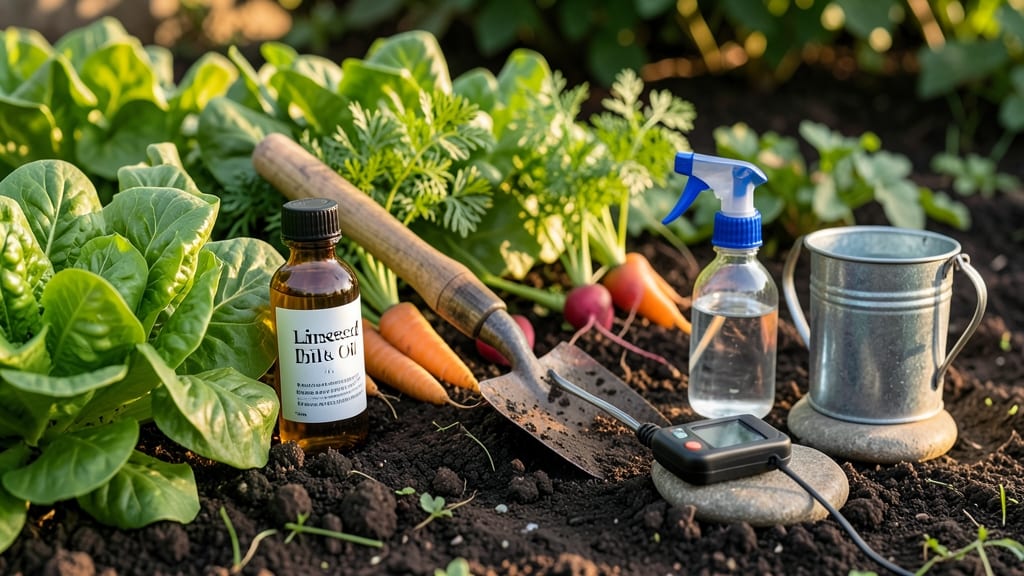
💥 Quick Answer Linseed oil can be safe for garden beds when used correctly, but refined bleached (RBD) linseed oil may stunt seed growth and harm tender plants, while cold-pressed linseed oil decomposes harmlessly into…
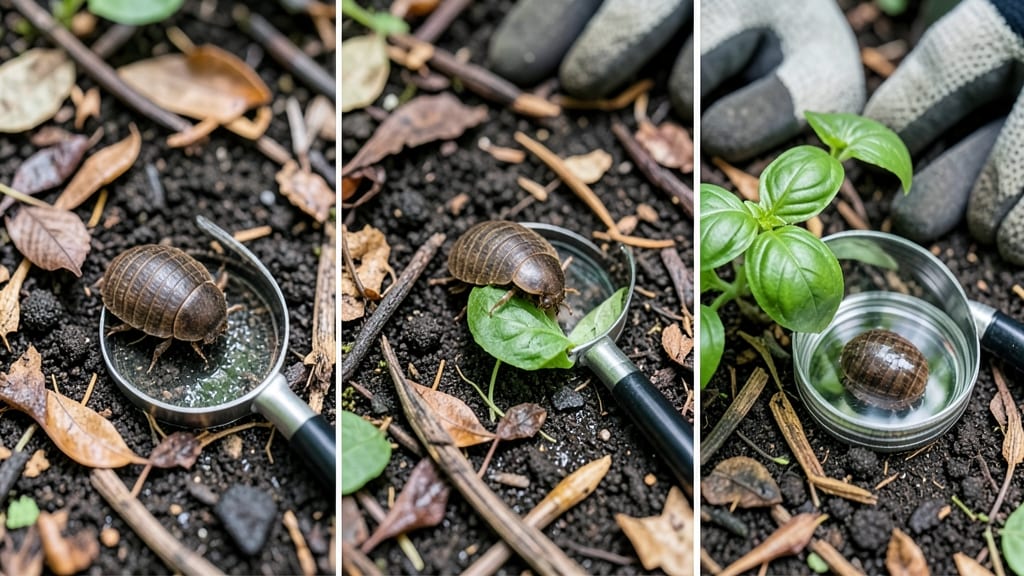
💥 Quick Answer Roly polys (pill bugs) are not bad for gardens—they break down organic matter, aerate soil, and help decompose dead plant material, making them beneficial decomposers in healthy ecosystems. Roly polys are…
💥 Quick Answer Longwood Gardens Dupont potatoes grow best in cool-season climates with loose, nutrient-rich soil and steady moisture. Plant them 4 inches deep and 12 inches apart, then harvest when the leaves turn…
💥 Quick Answer To become a green state gardener, focus on sustainable practices like composting, organic fertilizers, water conservation, and native plantings to minimize environmental harm while fostering a healthy…
💥 Quick Answer To spell garden correctly, use a single 'n' and end with 'en': G-A-R-D-E-N . Common mistakes include 'gardern,' 'gardin,' and 'gardin' (missing the final 'e'). This spelling reflects its Old English roots…
💥 Quick Answer To find expert gardeners near you, start by consulting local horticulture associations, reviewing verified reviews on platforms like Houzz or Angi, and confirming certifications from organizations such as…
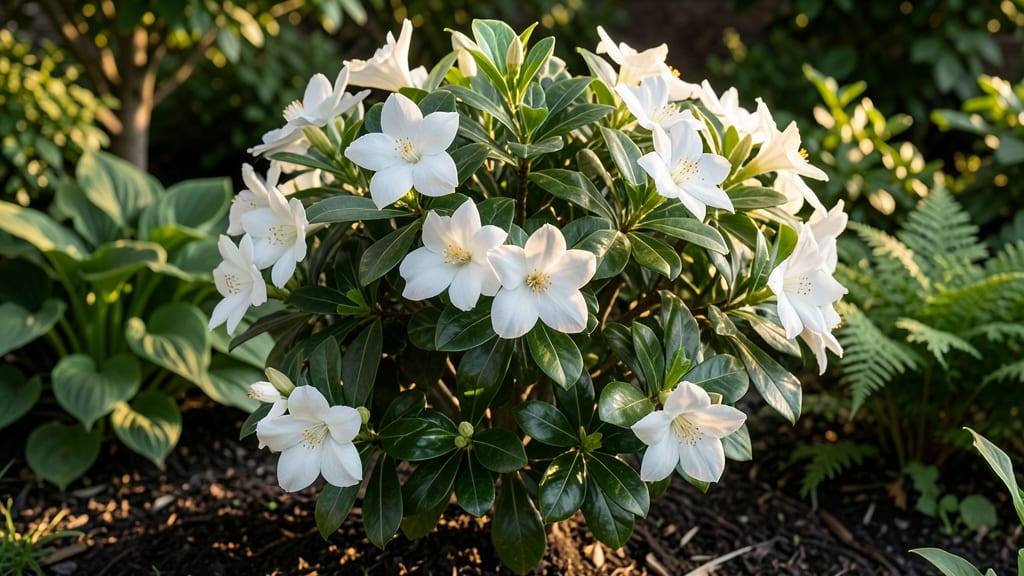
💥 Quick Answer Gardenias don't bloom all summer continuously—they produce flowers in seasonal bursts of 4-8 weeks, followed by rest periods. Warmer climates may see occasional blooms, while cooler areas have shorter…
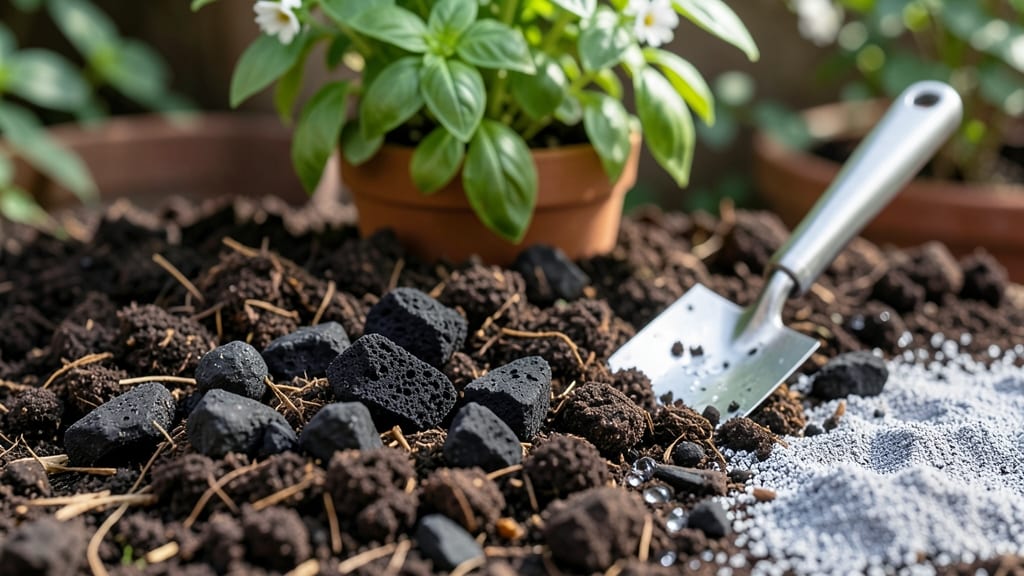
💥 Quick Answer Charcoal in gardening transforms soil by enhancing drainage, stabilizing pH levels, and filtering out harmful chemicals, which creates an optimal environment for microbial growth and stronger root…
💥 Quick Answer Creating a natural ant repellent for gardens effectively deters pests using vinegar, citrus peels, or essential oils mixed in water—simply spray on affected areas and reapply every 2-3 days. A natural ant…