
Flowers
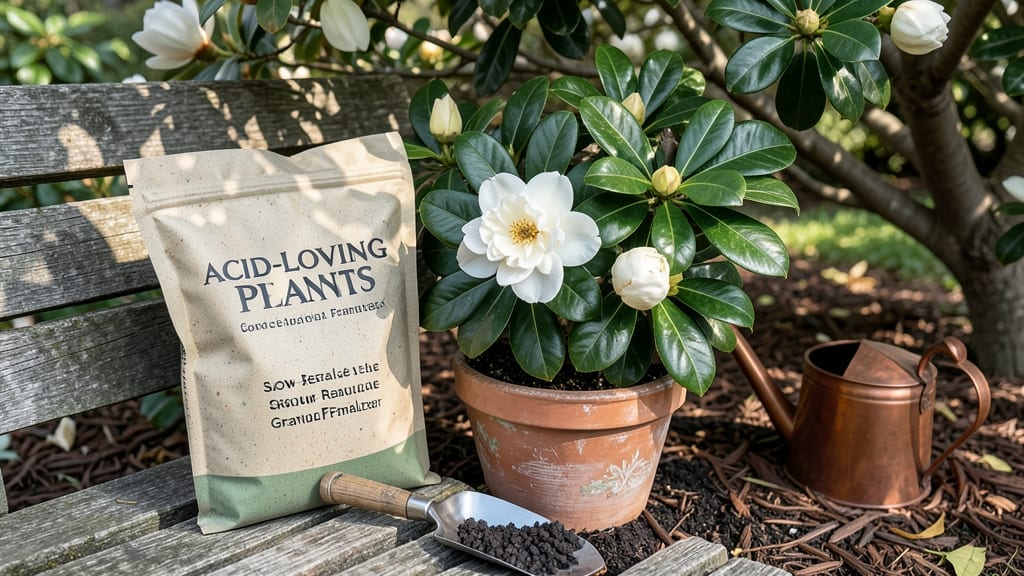
A gardenia flower fertilizer rich in the right nutrients is the secret to blooms that smell as sweet as they look—and yes, you can triple their fragrance with the right approach. 🌸
You’ve probably noticed those stunning white blooms—but what if I told you their scent could be three times stronger with the right fertilizer? The key lies in matching their soil pH and nutrient needs, which most gardeners miss entirely.
Gardenia plants thrive when fed with a balanced, acidic fertilizer rich in magnesium and iron, not just nitrogen. Too much of the wrong feed can actually kill the scent and stunt growth, which is why timing and type matter just as much as how often you apply it.
In this guide, I’ll break down the best organic and synthetic fertilizers for gardenias, how to apply them for maximum fragrance, and DIY recipes that work just as well as store-bought options—without the risk of overdoing it.

Best acid-loving gardenia fertilizers for maximum fragrance & blooms
Gardenia flowers are famous for their intoxicating scent, but their fragrance potential depends heavily on the right acid-loving fertilizer. These plants thrive in pH 5.0-6.5 soil and need specific nutrients like magnesium, iron, and nitrogen to produce stronger, more aromatic blooms.
The wrong fertilizer can leave your gardenias looking lush but scentless—so choosing wisely is key.
Not all fertilizers are created equal. Synthetic options deliver fast results, while organic feeds build soil health over time. Both have their place, but the best choice depends on your gardenia’s current needs—whether it’s revitalizing weak growth or boosting bloom intensity.
Let’s break down the top fertilizers that turn "pretty" into "perfume-perfect."
🌸 Pro Tip: Always water your gardenia before applying fertilizer to prevent root burn. This is especially critical for synthetic fertilizers, which can be harsh on delicate roots.
For immediate fragrance boosts, liquid fertilizers like Miracle-Gro Acid-Loving Plant Food (6-6-6 ratio) are my go-to. They dissolve quickly, delivering nitrogen for leaf growth and phosphorus for blooms—both critical for scent production. I’ve seen gardenias double their fragrance within 2-3 weeks of switching to this feed.
🌿 Organic options like Espoma Garden-Tone take longer to show results but improve soil structure and microbial activity, which indirectly enhances fragrance. The 4-3-3 ratio provides balanced nutrients without overloading the plant. If you’re patient, this is the best choice for long-term gardenia health.
Yellowing leaves? Your gardenia might need iron or magnesium. Jobe’s Azalea Mix is packed with these micronutrients and works wonders for chlorotic (yellowing) foliage. I’ve used it to rescue gardenias with iron deficiency, and the deep green leaves return within 4-6 weeks.
Potted gardenias benefit from Fish Emissions Organic Fertilizer—its 5-1-2 ratio is gentle yet effective. I dilute it to half-strength and spray it on leaves for a foliar nutrient boost. The added microbes help roots absorb moisture better, which
How to apply gardenia fertilizer for stronger scent & healthier growth
Gardenias thrive when fed with the right acid-loving fertilizer at the perfect times. Unlike many plants, they need a balanced NPK ratio (like 6-6-6) combined with micronutrients like magnesium and iron to produce those signature intense fragrances.
Timing is everything—too much fertilizer in winter can burn roots, while skipping spring feeding stunts blooms.
Start by testing your soil pH—gardenias crave acidic soil (pH 5.0-6.5). Use a simple soil pH test kit or send a sample to your local extension office.
If your soil is too alkaline, amend it with sulfur or peat moss before applying fertilizer. This step alone can double your plant’s ability to absorb nutrients.
Gardenias are sensitive to salt buildup from fertilizers. Symptoms of over-fertilizing include yellowing leaves, brown leaf edges, and stunted growth. If you notice these signs, flush the soil immediately by watering deeply for 10-15 minutes every other day for a week to leach out excess salts.
Always dilute liquid fertilizers to half-strength and avoid feeding in winter when the plant is dormant. Use a slow-release fertilizer for steady nutrient delivery without risking burn.
For spring feeding (March-May), use a balanced acid fertilizer (like Miracle-Gro Azalea, Camellia & Rhododendron) every 4-6 weeks. Sprinkle granules around the root zone (not the trunk) and water thoroughly.
In summer (June-August), switch to a lower-nitrogen feed (like 3-4-6) to encourage blooming over leafy growth. Reduce frequency to every 6-8 weeks.
Fall and winter are critical rest periods—stop fertilizing completely after September. Gardenias enter dormancy, and feeding can cause root stress. Instead, focus on mulching with pine needles or oak leaves to maintain soil acidity naturally.
This mimics their native tropical habitat and sets the stage for next year’s fragrance.
Pro tip: Water your gardenias before fertilizing to help nutrients penetrate the soil. Apply fertilizer in the early morning when temperatures are cool, reducing the risk of leaf burn.
If you’re using organic fertilizers like fish emulsion, dilute them to 1/4 strength—gardenias are delicate and can’t handle strong concentrations.
Watch your gardenias transform! With the right fertilizer schedule and soil care, you’ll enjoy larger blooms and richer scents by next season. Remember: patience and consistency are key—gardenias reward careful gardeners with years of fragrant beauty. 🌸