
Planting
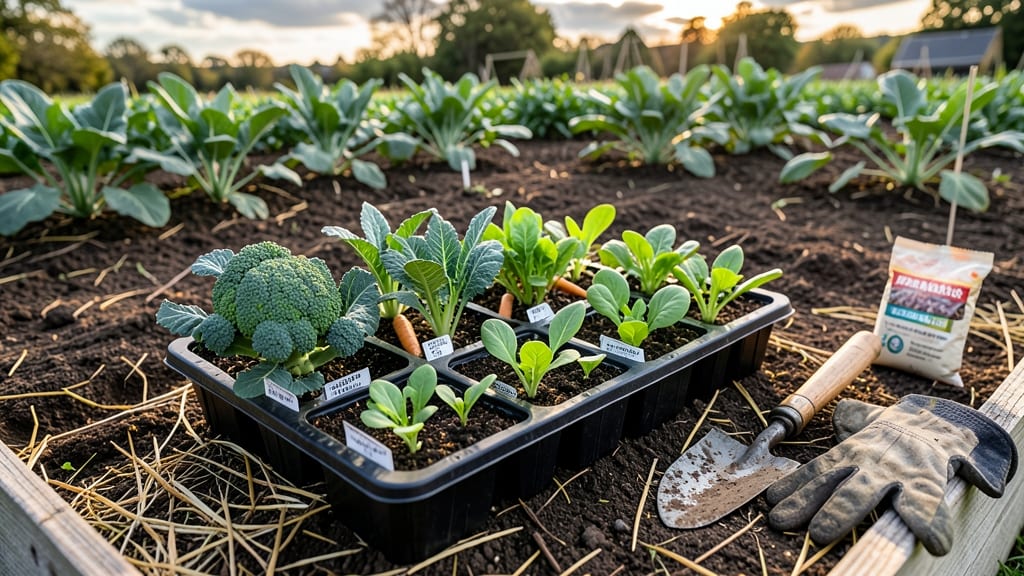
Planting a fall garden in Missouri means timing your seeds and seedlings to beat the frost—starting 8 to 12 weeks before your first freeze is the key to a bountiful harvest.
Missouri’s fall gardening season offers a second chance to grow fresh produce—if you plant at the perfect time. But with the state’s diverse climate zones, timing your fall crops wrong can mean wasted seeds or stunted harvests.
Whether you’re in St. Louis’s warmer Zone 6b or Kansas City’s cooler Zone 5a**, the right window ensures your kale, carrots, and spinach thrive until winter. Below, I’ll break down the exact dates for each zone, plus tips to extend your growing season with row covers and smart succession planting.
You’ll learn how to calculate your local frost dates, choose the best cool-season crops for your area, and even push harvests later with simple protective techniques. No more guessing—just a foolproof plan for a fall garden that delivers.
Missouri fall planting dates by USDA Zone (2024 guide)
Missouri’s fall gardening season is a gardener’s secret weapon—cool temperatures and shorter days create ideal conditions for cool-season crops. But with USDA zones 5a through 7a across the state, your planting window varies dramatically.
Get it wrong, and you’ll either miss the frost or watch your seedlings bolt. Here’s the exact zone-by-zone schedule I use to guarantee a productive fall harvest.
First, know your average first frost dates: Northern Missouri (Zone 5a) typically sees frost by October 15-20, while Southern Missouri (Zone 7a) holds off until November 15-20.
Soil temperatures also matter—most cool-season crops thrive when soil is between 45°F and 75°F. Test your soil with a thermometer before planting.
| USDA Zone | First Frost Date | Ideal Planting Window | Last-Chance Crops | Soil Temp Range |
|---|---|---|---|---|
| 5a (Northeast MO) | Oct 15-20 | Aug 15 - Sep 15 | Kale, Spinach, Carrots, Garlic | 45°F - 65°F |
| 5b (Central MO) | Oct 20-25 | Aug 20 - Sep 20 | Broccoli, Lettuce, Radishes | 45°F - 68°F |
| 6a (Kansas City) | Oct 25-30 | Aug 25 - Sep 25 | Cabbage, Brussels Sprouts, Beets | 48°F - 70°F |
| 6b (St. Louis) | Nov 1-5 | Sep 1 - Oct 1 | Onions, Peas, Swiss Chard | 50°F - 72°F |
| 7a (Southeast MO) | Nov 15-20 | Sep 15 - Oct 10 | Spinach, Collards, Turnips | 52°F - 75°F |
For Zone 5a, start cool-season crops like kale and spinach by mid-August—they’ll mature before frost. In Zone 7a, you’ve got until mid-October to plant last-chance crops like turnips or collards, which can handle light frosts.
Pro tip: Use a frost blanket to extend harvests by 2-3 weeks in all zones.
Don’t overlook succession planting—sow radishes every 2 weeks from August through September for a continuous harvest. They’re fast-growing (30 days) and perfect for filling gaps. In Zone 6a, I plant Brussels sprouts by September 1st—they need 90 days to mature, so timing is critical.
If you’re growing garlic for next spring, plant cloves in October (Zones 6a-7a) or early November (Zone 5a). They’ll establish roots before winter and produce larger bulbs than spring-planted garlic. For carrots, direct-sow seeds in late August (Zone 5a) or September (Zones 6a-7a) for crisp, sweet roots.
Watch for soil moisture—fall rains can make soil too wet for planting. Amend heavy clay with compost or sand to improve drainage. In Zone 5a, I always add a 2-inch layer of mulch after planting to insulate roots and retain moisture during temperature swings.
For herbs like cilantro
Missouri’s fall garden thrives when you choose the right cold-hardy vegetables that tolerate frost and short days. The key is selecting varieties that mature quickly—like spinach or radishes—while also planning for indoor seed starts of slower growers like broccoli or cabbage. These crops not only survive but often taste sweeter after a light frost, making fall gardening one of my favorite seasons. For Missouri’s USDA Zones 5a-7a, timing is everything. Northern areas (like Zone 5a in the bootheel) have shorter windows, while southern zones (like Zone 7a near St. Louis) can push harvests later. The secret? Start cool-season crops 6-8 weeks before your first expected frost—and use row covers to extend harvests by 2-4 weeks. Let’s dive into the top 10 crops and their ideal planting schedules. Don’t overlook succession planting—sow radishes or lettuce every 2 weeks after your initial planting for continuous harvests. For slow growers like broccoli or cabbage, indoor seed starts are a game-changer. Use grow lights or a sunny windowsill to keep seedlings strong until transplanting. I’ve found that starting these indoors in early July gives me a head start before Missouri’s first frost hits in October. Protect your fall garden from early frosts with frost blankets or row covers. These simple tools can extend your harvest by 2-4 weeks, especially for leafy greens like spinach or kale. Even a light frost (28-32°F) enhances the flavor of broccoli and cabbage, so don’t rush to harvest them too soon. Test your soil’s pH (6.0-7.0) and amend with compost before planting—fall crops thrive in nutrient-rich soil. Missouri’s fall garden rewards patience and planning. By choosing the right cold-hardy varieties and timing your plantings, you’ll enjoy fresh homegrown vegetables well into winter. Start with broccoli and cabbage indoors now, and you’ll be feasting on homegrown greens while your neighbors are digging through frozen leftovers. Happy planting! 🌱Best fall vegetables for Missouri’s climate (and when to start seeds indoors)