
Planting
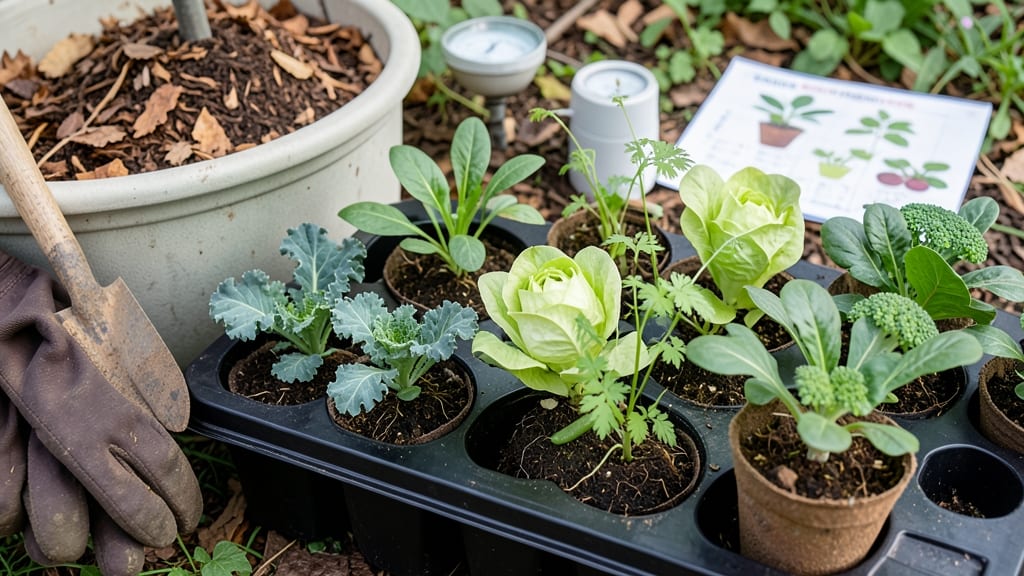
Planting your vegetable garden in Seattle at the right time means the difference between a bountiful harvest and a sad, wilted disappointment—especially when those cool spring rains linger longer than expected.
Seattle’s unpredictable weather can turn a thriving vegetable garden into a frustrating gamble unless you know the exact planting windows for your specific microclimate. From Puget Sound’s maritime moderation to the Eastside’s hotter summers, timing is everything for maximizing yields.
In Zone 8a, cool-season crops like kale and peas can go in as early as mid-March, while tomatoes and peppers need to wait until after the last frost—usually around mid-May. But here’s the catch: your neighborhood’s microclimate might shift those dates by weeks.
Below, I’ll break down the best planting months for every major crop, how to adjust for Seattle’s quirks, and the one trick that saves even late starters from frost damage.
Seattle’s 3 planting zones: when to start seeds vs. transplants by microclimate
Seattle’s diverse microclimates create three distinct planting zones, each with unique last frost dates and growing season lengths. Whether you're in West Seattle’s cooler coastal zone or the Eastside’s warmer inland areas, understanding these differences ensures your vegetable garden thrives.
The Puget Sound’s maritime influence keeps winters mild but extends cool-season growing into early summer.
Seattle spans USDA Zones 8a-9, with Zone 8a dominating most areas and Zone 9 pockets in heat-retaining urban zones like South Seattle. This means warm-season crops like tomatoes and peppers can often be planted 2-3 weeks earlier in Zone 9 than in cooler Zone 8a areas.
Let’s break down each zone’s ideal planting windows for both seed starting and transplanting.
| Zone | Last Frost Date | First Frost Date | Cool-Season Start Seeds (Indoor) | Cool-Season Transplant Outdoors | Warm-Season Start Seeds (Indoor) | Warm-Season Transplant Outdoors |
|---|---|---|---|---|---|---|
| West Seattle (Zone 8a) | April 25 | October 20 | February 15 | March 20 - April 10 | March 1 | May 10 - May 25 |
| Eastside (Zone 8b-9) | April 15 | October 30 | February 1 | March 10 - April 1 | February 15 | April 20 - May 10 |
| North Seattle (Zone 8a) | April 20 | October 15 | February 20 | March 25 - April 15 | March 5 | May 1 - May 15 |
| South Seattle (Zone 8b-9) | April 10 | November 1 | January 25 | March 1 - March 20 | February 1 | April 10 - April 25 |
*Dates reflect 10-year averages; use row covers for earlier starts if needed.
In West Seattle, the cooler maritime climate means cool-season crops like kale and peas can be planted 2 weeks later than on the Eastside. Start spinach seeds indoors by February 15 and transplant outdoors by March 20 to avoid late frosts that can delay harvests.
The longer growing season in Zone 9 areas (like South Seattle) allows for earlier warm-season starts, with tomatoes ready to transplant by April 10.
North Seattle sits in a transition zone between coastal and inland climates, with last frost dates typically 5 days later than West Seattle. This gives you a 3-week window to get cool-season crops in the ground before summer heat arrives. For warm-season crops, wait until May 1 to transplant peppers and eggplants, as earlier planting can stunt growth in the cooler soil.
One of my biggest mistakes was planting tomato seedlings too early in Zone 8a—they bolted in the 50°F soil and never recovered. Learn from this: warm-season crops need soil temps above 60°F to thrive.
Use a soil thermometer to confirm readiness, especially in North Seattle where cooler nights linger longer. For Eastside gardeners, you can push the envelope and plant cucumbers by April 20, but be ready to protect seedlings if a late frost rolls in.
The Eastside’s warmer microclimate (Zone 8b-9) is ideal for heat-loving crops like okra and sweet potatoes, which can be direct-sown by May 1. Here, cool-season crops like
Best vegetables to plant in Seattle by season (with exact month-by-month calendar)
Seattle’s mild but unpredictable climate rewards gardeners who plan carefully. Unlike hotter regions, we can grow cool-season crops year-round and extend warm-season harvests with the right timing.
The key? Planting heirloom varieties that thrive in our USDA Zone 8a while respecting the last frost date (mid-April) and first frost (mid-October).
Below is your season-by-season planting calendar, featuring top-performing vegetables and heirlooms like 'Blue Lake Bush Beans' and 'Cherokee Purple' tomatoes—plus exact deadlines for succession planting. Pro tip: Use row covers to push warm-season starts earlier if your microclimate allows.
📅 Spring (March–May): Start with cool-hardy crops like peas, spinach, and kale. By late April, transplant cabbage and broccoli for summer harvests. Heirloom 'Mammoth Melting' sugar snap peas thrive in Seattle’s cool springs.
☀️ Summer (June–August): Warm-season crops like tomatoes, peppers, and corn need consistent warmth. Plant 'Brandywine' tomatoes after Memorial Day and succession-plant bush beans every 2 weeks for continuous harvests.
🍂 Fall (September–October): Extend harvests with cool-season crops like carrots, lettuce, and radishes. Plant 'Paris Market' carrots by mid-September for winter storage. Use cold frames to protect late tomatoes.
❄️ Winter (November–February): Focus on hardy greens like kale, Swiss chard, and spinach. Heirloom 'Winterbor' kale sweeten with frost. Avoid planting warm-season crops—unless you’re using a greenhouse!
| Season | Vegetable | Planting Month | Harvest Window | Notes |
|---|---|---|---|---|
| Spring | Peas ('Mammoth Melting') | March–April | May–June | Direct sow; trellis for support |
| Spring | Kale ('Winterbor') | March–May | May–November | Cut-and-come-again |
| Summer | Tomatoes ('Brandywine') | May–June | July–September | Stake for support |
| Fall | Carrots ('Paris Market') | September | October–November | Loose soil required |
| Winter | Spinach ('Bloomsdale') | October–November | December–February | Harvest before bolting |
For succession planting, repeat sowings every 2–3 weeks for beans, lettuce, and radishes. In urban Seattle, container gardens work well for cherry tomatoes and bush beans—just ensure pots have drainage holes.
Remember: Seattle’s microclimates vary. If you’re on the Eastside, warm-season crops may start earlier. Always check your local frost dates—they can shift yearly! With this schedule, you’ll enjoy homegrown harvests from spring to winter.
🌱