
Planting
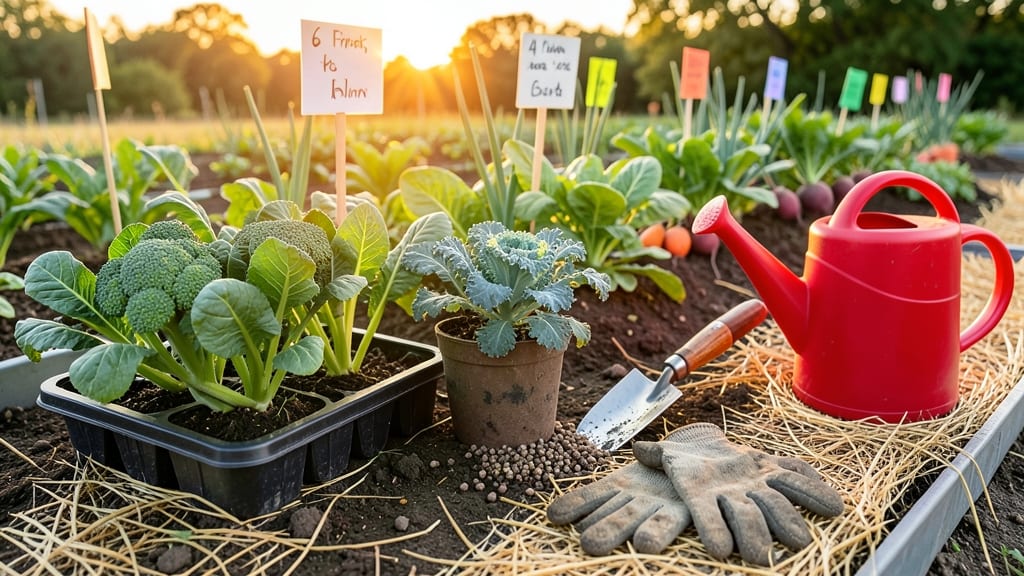
Planting your fall garden in Florida requires timing that accounts for lingering summer heat and the state’s unique growing zones—miss the window, and your 🥬 harvest could fizzle before it starts.
Florida’s long growing season might seem endless, but summer’s stubborn warmth can outpace even the hardiest fall crops. Plant too early, and your greens bolt before they mature; too late, and you’re racing against cooler nights that slow growth.
This guide breaks down the exact planting windows for North, Central, and South Florida, plus the heat-tolerant varieties that thrive when others wilt. No more guessing—just a clear roadmap to a bountiful fall table.
You’ll learn how to prep your soil, choose the right crops for your microclimate, and stretch your harvest from September through December without a single wilted leaf.
Florida fall planting timeline: key dates by region
Florida’s fall planting window is a golden opportunity for gardeners, but timing varies dramatically between North, Central, and South Florida. Unlike northern states, Florida rarely faces frost, but soil temperatures and residual summer heat still dictate success.
Plant too early, and your cool-season crops will bolt in the heat; too late, and you miss peak harvests before winter sets in.
Instead of a one-size-fits-all approach, I’ve broken down the ideal planting windows by region, accounting for microclimates and heat tolerance thresholds. North Florida’s cooler nights allow earlier starts, while South Florida’s lingering warmth extends the window. Let’s dive into the critical dates you need to know.
Soil temperature is your best guide—most fall crops thrive when soil stays above 60°F (15°C). Use a soil thermometer to check before planting. In North Florida, aim for late August to early October; in Central Florida, July to September works best; and South Florida can plant year-round with proper heat management.
For North Florida gardeners, focus on cool-season crops like broccoli and kale. Start seeds indoors in late July for transplants by early August. Direct sow carrots and beets in early September to avoid bolting. These crops need 60-70°F soil and will thrive as temperatures drop.
In Central Florida, the window shifts earlier. Begin planting heat-tolerant greens like collards and turnips in late June. By mid-July, you can add sweet potatoes and lettuce varieties that handle partial shade. Use shade cloth for sensitive crops like spinach to protect from afternoon sun.
South Florida’s extended heat allows for year-round planting, but focus on heat-loving crops like okra and malabar spinach. Plant peppers and eggplants in June-July for fall harvests. If you want cool-season crops, opt for shade-tolerant varieties like ‘Black Seeded Simpson’ lettuce and plant in partial shade.
Pro tip: Use succession planting to extend harvests. For example, sow radishes every 2 weeks in North Florida from August to October. This ensures a steady supply without overwhelming your space. In South Florida, plant fast-growing crops like bush beans every 3-4 weeks for continuous yields.
Don’t forget to prep your soil before planting. Florida’s sandy soils drain quickly, so amend with 2-3 inches of compost and a balanced fertilizer (10-10-10). Mulch with straw or pine needles to retain moisture and regulate soil temperature.
This is especially critical in Central and North Florida, where temperature swings are more pronounced.
Watch for pests and diseases that thrive in Florida’s humidity. Slugs and snails love fall crops, so set out beer traps or diatomaceous earth. Fungal diseases like powdery mildew can strike if leaves stay wet, so water in the early morning and avoid overhead sprinkling.
Finally, keep an eye on moisture levels. Fall in Florida can bring unpredictable rain, but droughts also creep in. Aim for 1-2 inches of water per week, adjusting for rainfall. Use a drip irrigation system to deliver water directly to roots and minimize waste.
With these region-specific timelines and tips, your fall garden will be productive and resilient. Start planning now, and you’ll be harvesting homegrown goodness well into winter—no frost required! 🌱
Best heat-tolerant fall vegetables for Florida’s extended summer
Florida’s summer heat doesn’t have to derail your fall garden dreams. Heat-tolerant vegetables like okra and sweet potatoes thrive in the state’s lingering warmth while others, like malabar spinach, actually prefer it.
These crops not only survive but produce abundantly when planted at the right time—typically August through early October for most regions.
Choosing the right varieties means avoiding the common pitfalls of bolting or wilting. For example, black-eyed peas and cowpeas handle Florida’s heat like champions, while collard greens and kale can be planted later as temperatures dip. The key is matching each crop’s heat tolerance thresholds with your local planting window.
Heat-Tolerant Fall Vegetables: Pros & Cons
Okra
Pros: Thrives in 90°F+ heat, fast-growing (45-60 days), drought-tolerant
Cons: Can get woody if overmature, needs well-draining soil
Sweet Potatoes
Pros: Heat-loving (ideal for summer/fall), low-maintenance, stores well
Cons: Needs long growing season (120+ days), susceptible to sweet potato scab
Malabar Spinach
Pros: Tropical heat lover, perennial in Florida, nutrient-rich
Cons: Slow to establish, may need trellising for vining varieties
Black-Eyed Peas
Pros: Drought-resistant, nitrogen-fixing, ready in 60-70 days
Cons: Needs warm soil (65°F+), susceptible to thrips
My top recommendation for Florida gardeners is okra, which practically begs for heat. Varieties like Clemson Spineless or Emerald produce pods in just 50-60 days and handle 100°F temperatures with ease. Pair it with black-eyed peas for a nitrogen-rich soil boost—they’ll fix nitrogen while you harvest both.
For leafy greens, malabar spinach is a game-changer. Unlike traditional spinach, it loves humidity and won’t bolt in Florida’s heat. Plant it in partial shade by late summer to avoid leaf scorch, and you’ll have a continuous harvest until frost (which, in South Florida, might never come!).
Don’t overlook sweet potatoes either—they’re perfect for Florida’s long growing season. Start slips in early August for a fall harvest, and use black plastic mulch to warm the soil faster. Just watch for wireworms, which love young tubers.
To maximize your fall garden, succession plant heat-tolerant crops every 2-3 weeks. For example, sow black-eyed peas in August, then follow with collard greens in September as temperatures cool slightly. This staggered approach ensures you’re always harvesting something—even as summer fades into fall.
Remember, Florida’s microclimates vary wildly. If you’re in North Florida, prioritize fast-maturing varieties like bush beans or cowpeas to beat the occasional cold snap. In South Florida, you’ve got more flexibility—plant year-round greens like swiss chard or amaranth for a perpetual harvest.