My childhood summers were spent knee-deep in my grandfather’s vegetable garden, where he taught me that the best lessons come from the soil. I started this site because I believe gardening should be as much about joy as it is about growth—whether you’re a seasoned green thumb or someone who just wants a few herbs to spice up their meals. Here, you’ll find practical tips, honest advice, and a little bit of the wonder I still feel every time I watch a seedling push through the dirt.
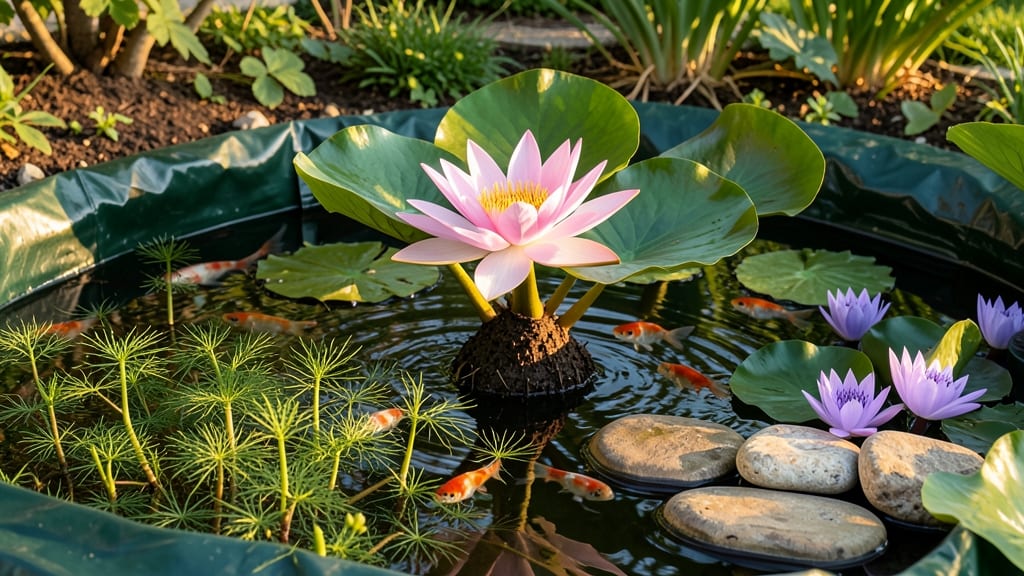
💥 Quick Answer Finding aquatic gardens near you reveals tranquil water features and vibrant aquatic plant collections that create peaceful landscapes. Explore local botanical gardens, nature reserves, or public parks…
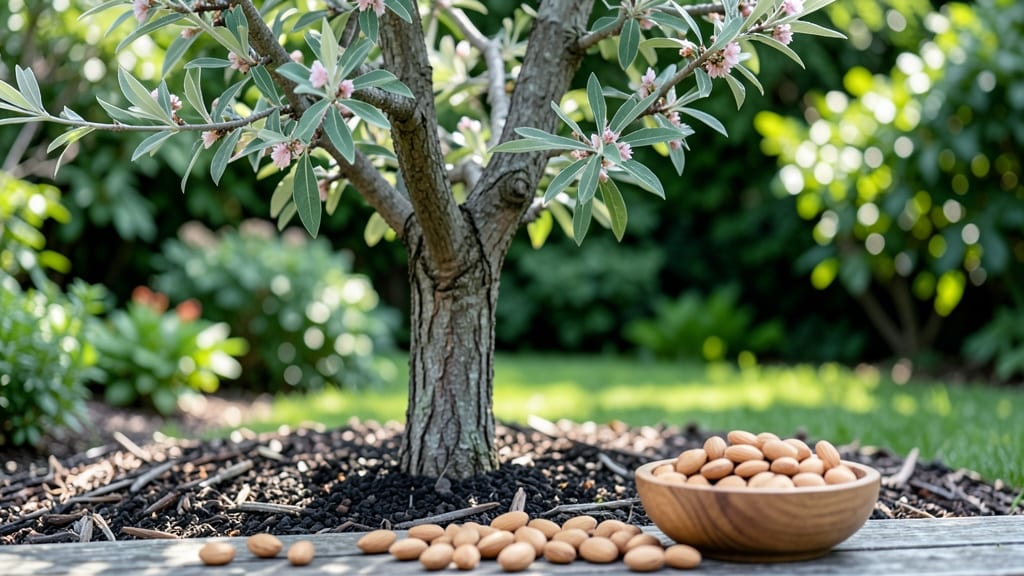
💥 Quick Answer Almonds are good for a garden because they enrich soil by introducing nitrogen, organic material, and mulch, while their shells contribute essential minerals like potassium and calcium. However, their…
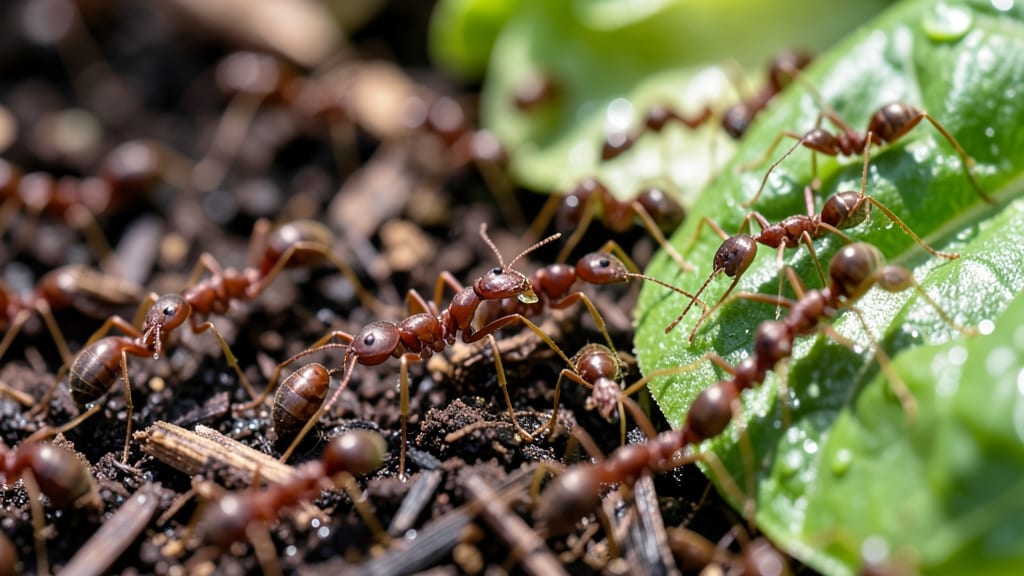
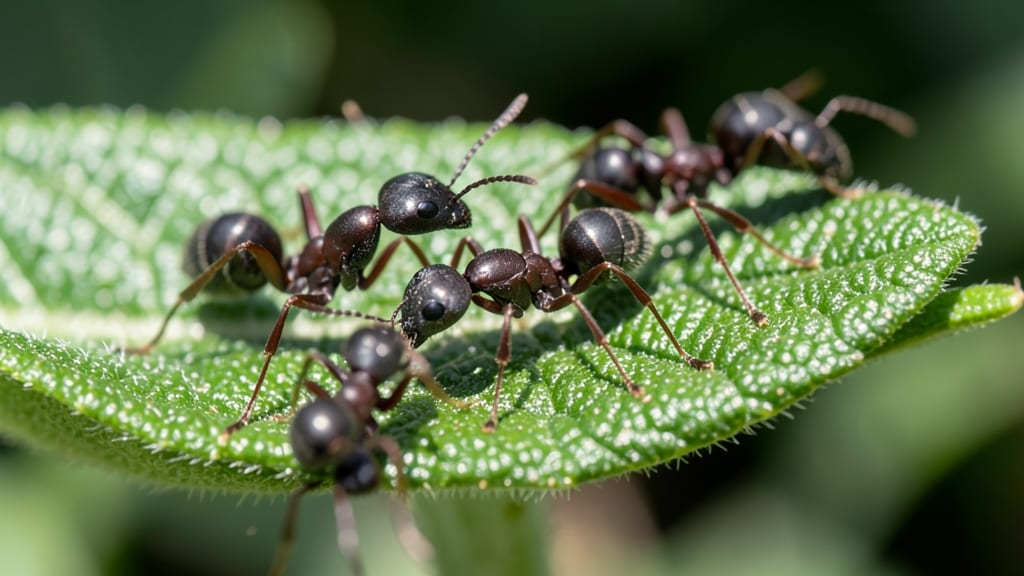
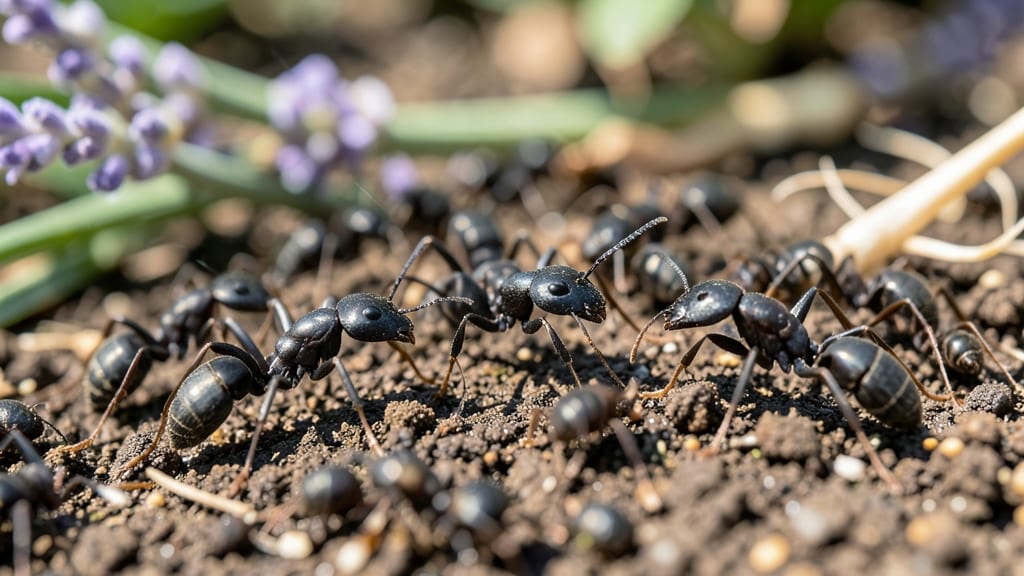
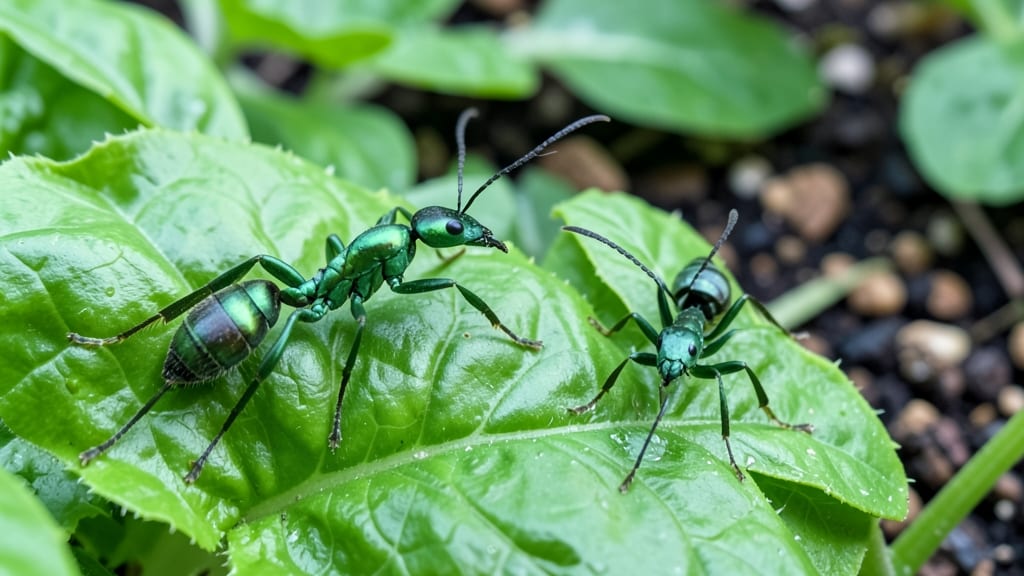
💥 Quick Answer Ants in a garden aren’t inherently bad—they aerate soil, disperse seeds, and control pests like aphids, but some species (e.g., carpenter ants) can damage plant roots or structures. Their impact depends…
💥 Quick Answer Ants are beneficial to a garden by improving soil aeration, breaking down organic matter, and controlling pests like aphids, though some species may damage plants or disrupt ecosystems if overpopulated…
💥 Quick Answer Ants are good for gardens because they aerate soil, break down organic matter, and naturally control pests like aphids by farming them for honeydew, while also dispersing seeds and promoting beneficial…
💥 Quick Answer Ants in the garden are generally okay and often beneficial, as they aerate soil, control pests like aphids, and promote plant health. However, certain species may disturb roots or harm crops—identify…
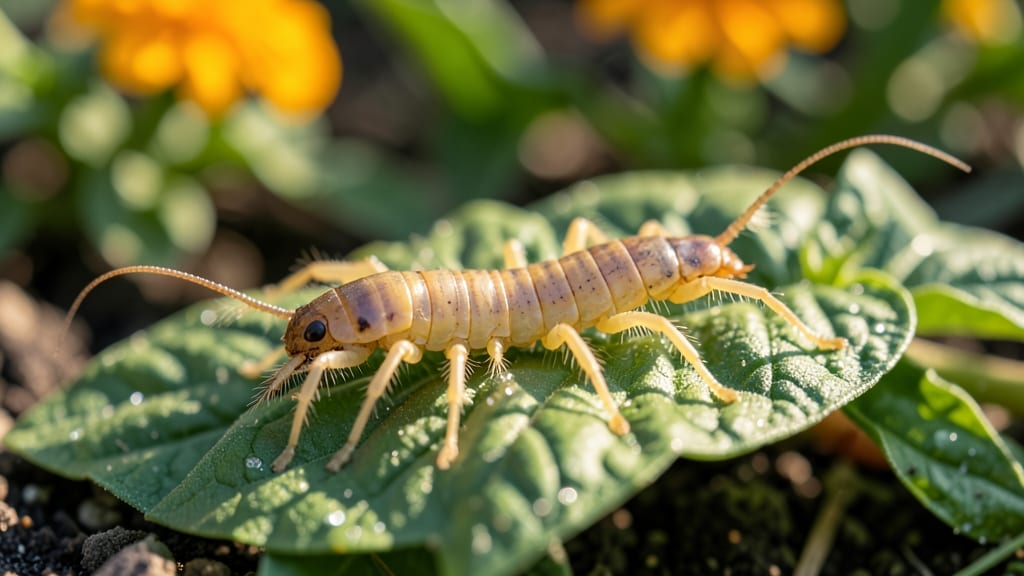
💥 Quick Answer Centipedes in gardens aren't bad—they're actually helpful predators that eat pests like slugs, aphids, and caterpillars, keeping your plants healthy without damaging them. These multi-legged hunters…
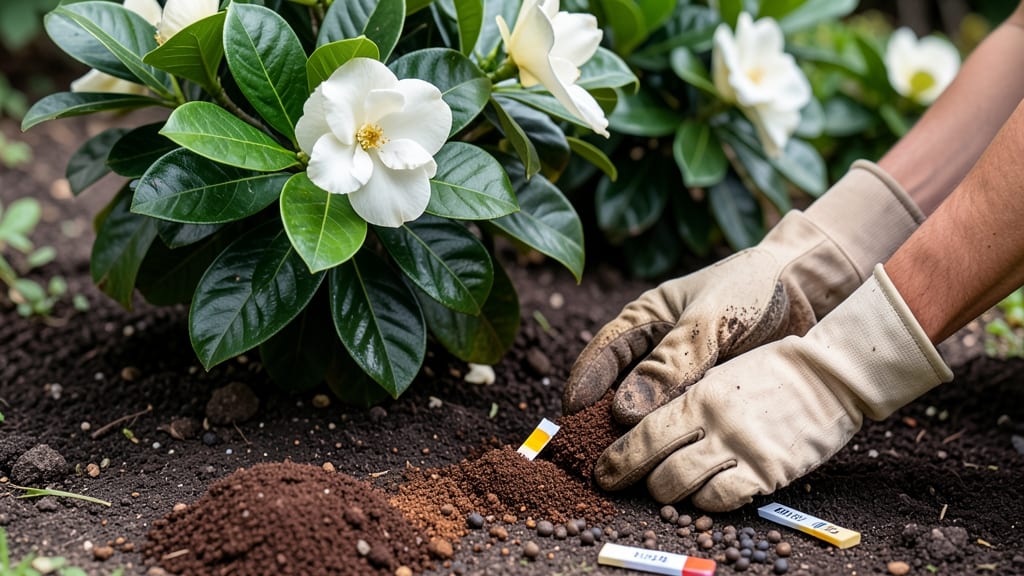
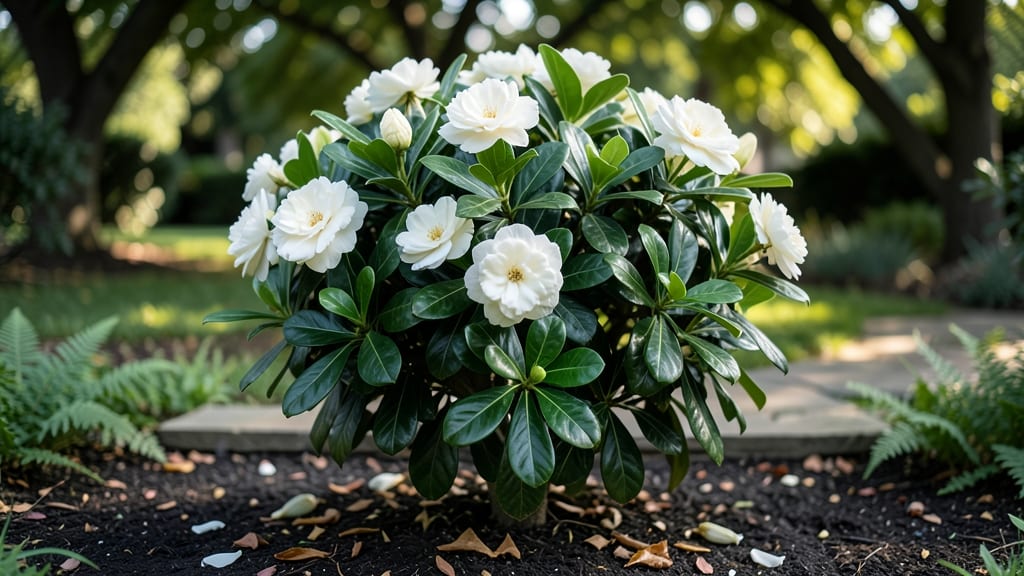
💥 Quick Answer Coffee grounds are good for gardenia plants because they naturally lower soil pH and enrich it with organic nutrients, but using them properly is key—too much can harm roots or attract pests. Always…
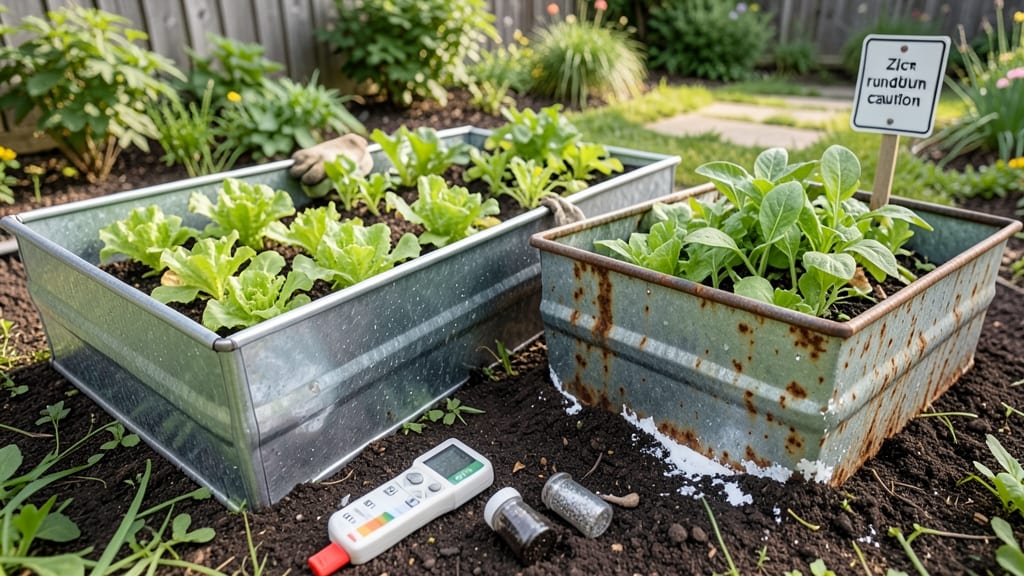
💥 Quick Answer Galvanized garden beds are generally safe for most plants but pose zinc toxicity risks over time, especially for acid-loving crops like tomatoes and blueberries. Leaching zinc into soil can harm root…
💥 Quick Answer Whether gardenias are perennials or annuals depends on your climate—these fragrant beauties thrive as perennials in USDA Zones 7-11 but must be treated as annuals or overwintered indoors in colder…