My childhood summers were spent knee-deep in my grandfather’s vegetable garden, where he taught me that the best lessons come from the soil. I started this site because I believe gardening should be as much about joy as it is about growth—whether you’re a seasoned green thumb or someone who just wants a few herbs to spice up their meals. Here, you’ll find practical tips, honest advice, and a little bit of the wonder I still feel every time I watch a seedling push through the dirt.
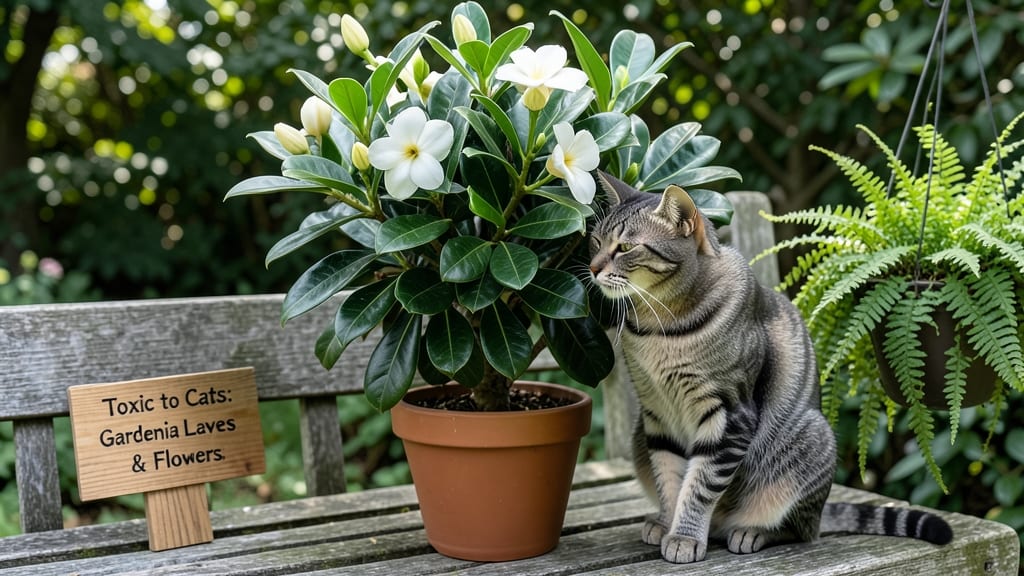
💥 Quick Answer Gardenias are poisonous to cats because their leaves, flowers, and stems contain toxic compounds like saponins and essential oils, which can trigger vomiting, drooling, and lethargy if chewed or ingested…
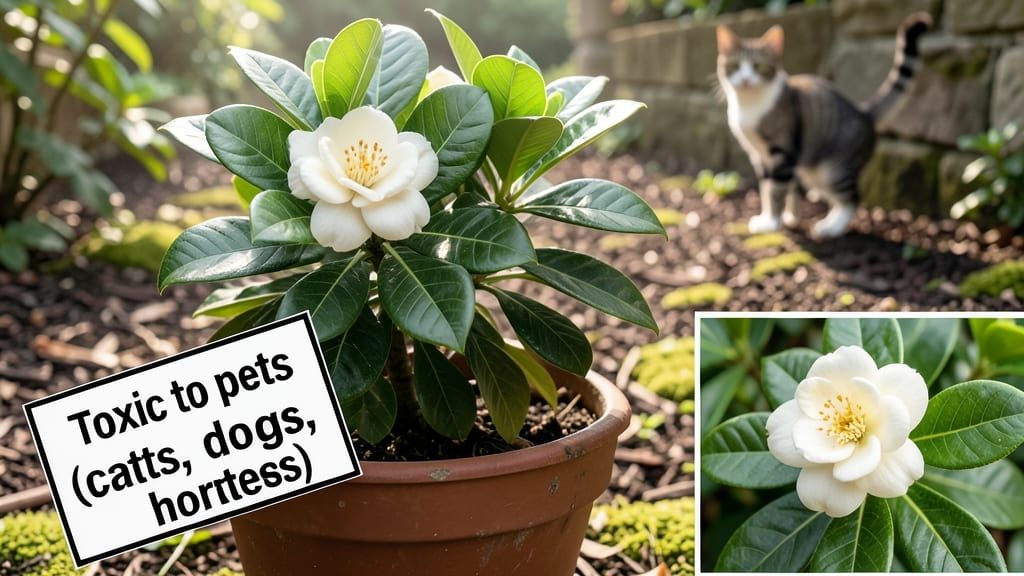
💥 Quick Answer Gardenias are poisonous to dogs and cats, containing toxic compounds like saponins and glycosides in their leaves, flowers, and stems that can cause vomiting, drooling, and lethargy if ingested. Keep pets…
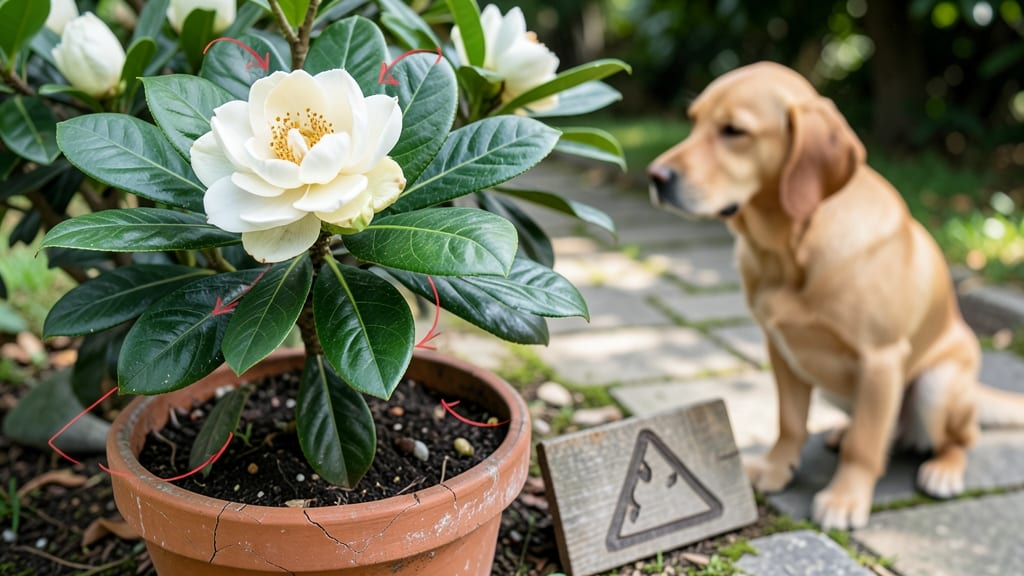
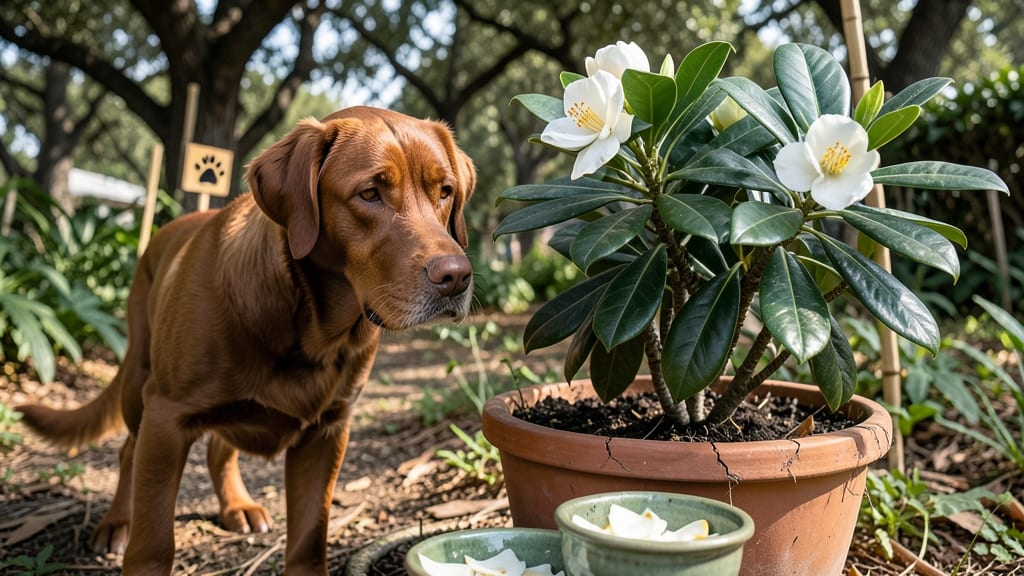
💥 Quick Answer Gardenias are toxic to dogs because their leaves, flowers, and stems contain saponins and other irritants that trigger vomiting, diarrhea, and excessive drooling. If your dog ingests any part, seek…
💥 Quick Answer Are gardenias toxic? Yes, gardenias are toxic to pets and humans due to their leaves and flowers containing toxic compounds like saponins and grayanotoxins, which can cause vomiting, diarrhea, and…
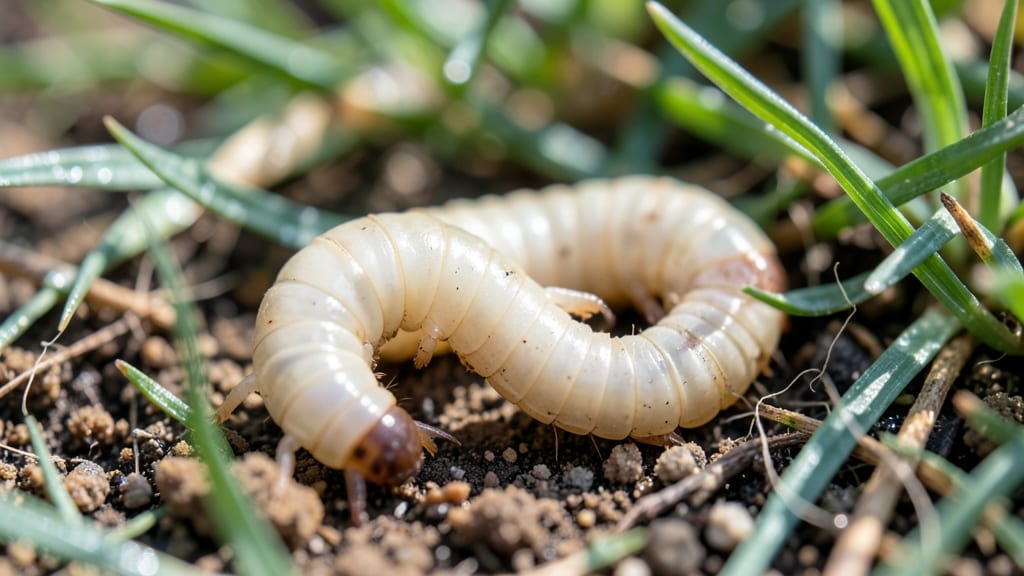
💥 Quick Answer Grubs are bad for your garden because they feed on plant roots, causing wilting, yellowing leaves, and even plant death, especially in lawns and young seedlings. Their larvae stage is most destructive…
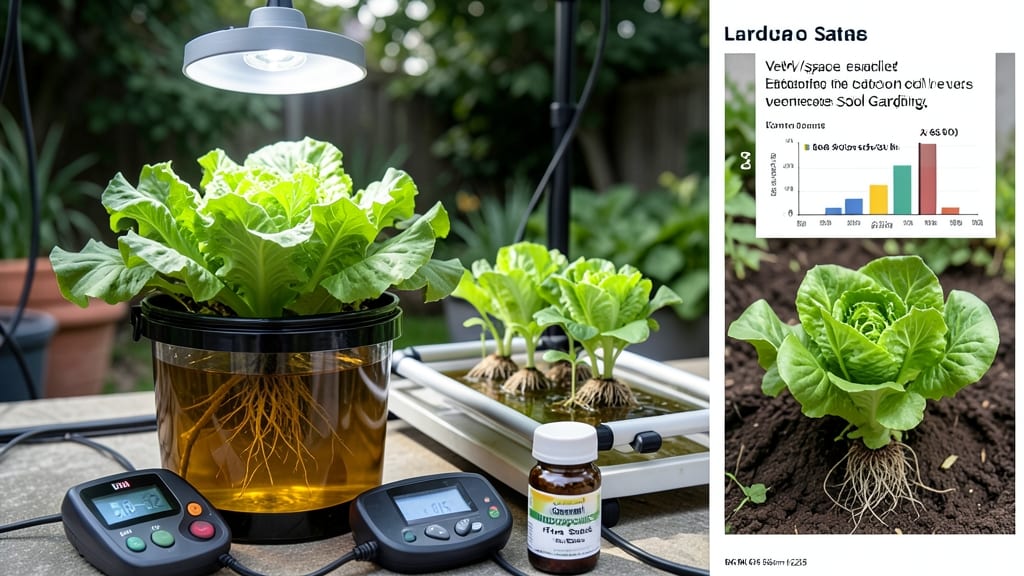
💥 Quick Answer Hydroponic gardens are worth it for beginners if space is limited or yields matter most, as they produce faster growth, higher yields, and year-round harvests—but they require upfront costs, technical…
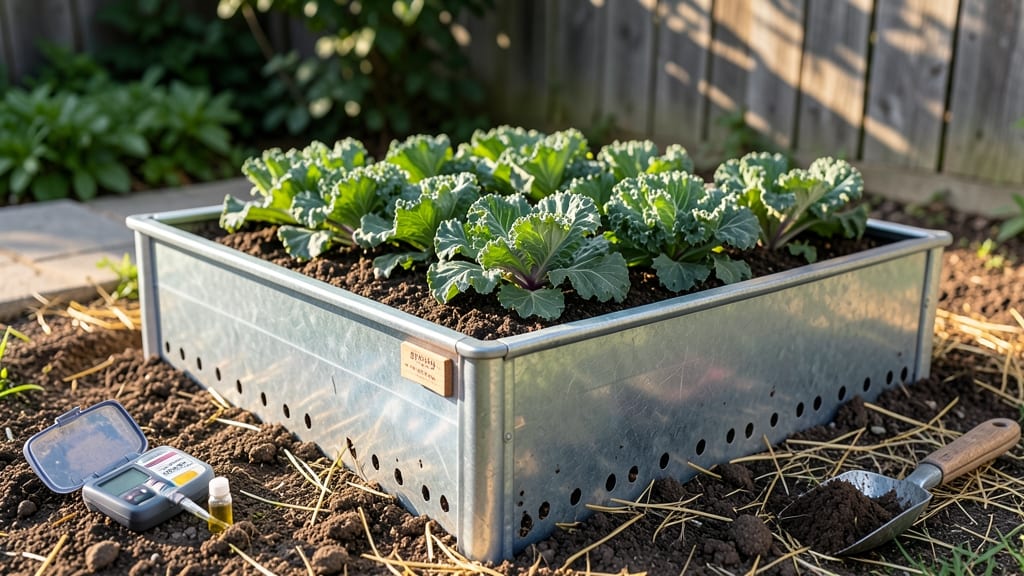
💥 Quick Answer Metal garden beds can be safe for plants when constructed from food-grade materials like galvanized steel, copper, or stainless steel, but they may pose risks like root damage from heat buildup or…
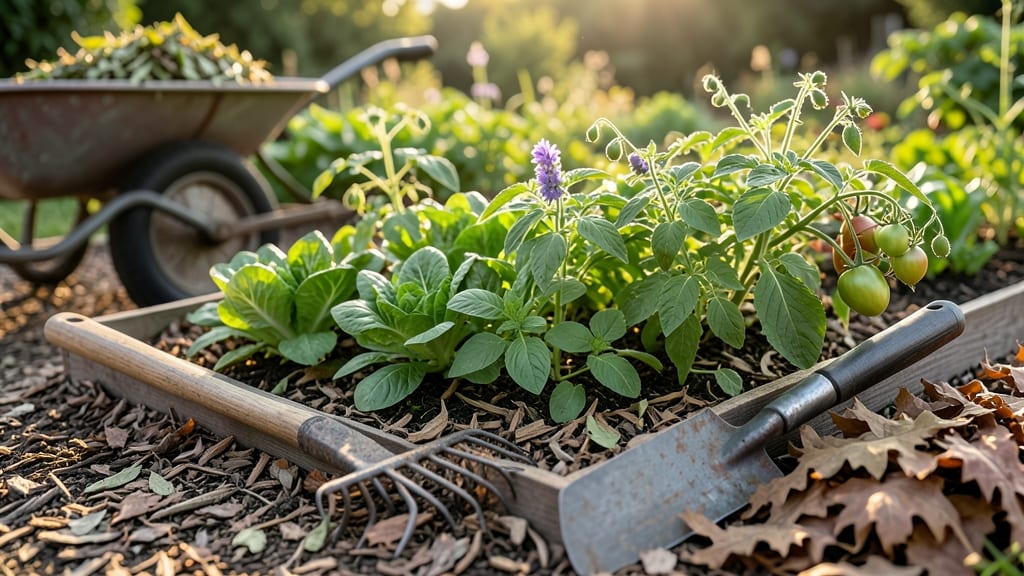
💥 Quick Answer Mulched leaves are good for vegetable gardens by improving moisture retention and weed control, but they can also reduce soil nitrogen as they break down, which may slow young plant growth. The solution…
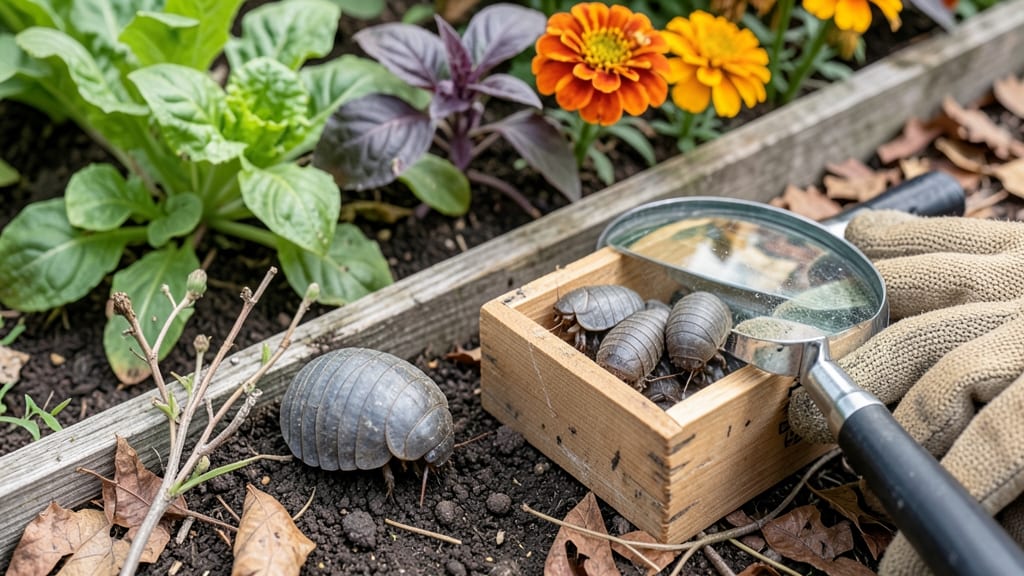
💥 Quick Answer Rollie pollies (pill bugs) aren't bad for gardens—they break down organic debris, improve soil aeration, and help control mold and decaying plant material. Their overpopulation, however, can signal…
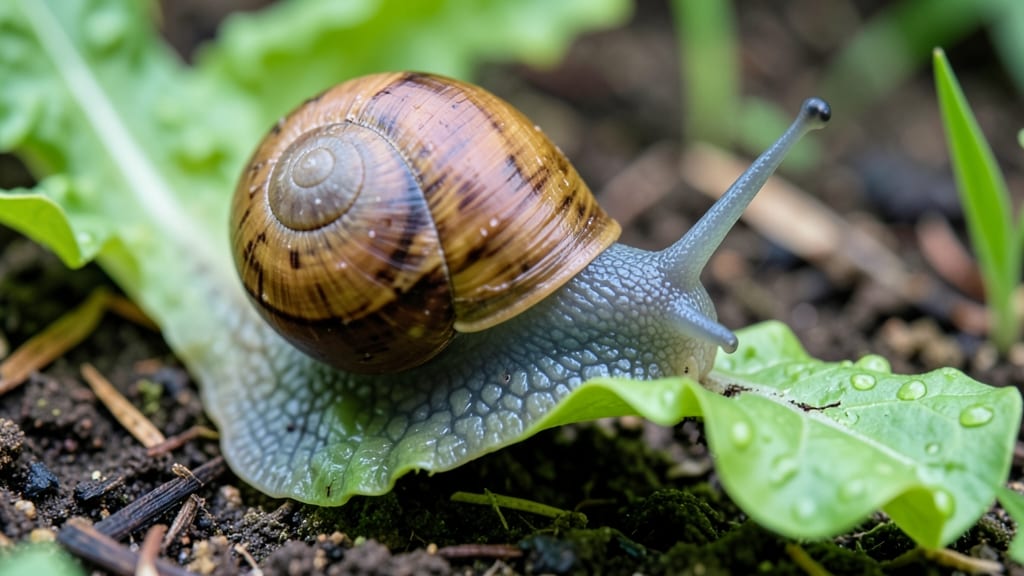
💥 Quick Answer Snails are beneficial to gardens by breaking down organic matter into nutrient-rich compost, aerating soil, and controlling pests like slugs and aphids—but they also damage young plants and vegetables…