My childhood summers were spent knee-deep in my grandfather’s vegetable garden, where he taught me that the best lessons come from the soil. I started this site because I believe gardening should be as much about joy as it is about growth—whether you’re a seasoned green thumb or someone who just wants a few herbs to spice up their meals. Here, you’ll find practical tips, honest advice, and a little bit of the wonder I still feel every time I watch a seedling push through the dirt.
💥 Quick Answer A garden nursery is a specialized facility where young plants—seedlings, cuttings, or saplings—are cultivated, nurtured, and sold to home gardeners, landscapers, or agricultural businesses before…
💥 Quick Answer A garden tub is a large, sturdy container designed for planting flowers, vegetables, or herbs in outdoor spaces where in-ground gardening isn’t possible or practical. These raised planters come in various…
💥 Quick Answer A garden weasel is used for digging, aerating soil, and weeding by loosening compacted earth, breaking up hardpan layers, and uprooting stubborn weeds with its sharp claws and powerful digging action…
💥 Quick Answer A market garden is a small-scale farming operation focused on growing high-demand vegetables, herbs, and fruits for direct sale to local consumers, restaurants, or farmers' markets. These plots prioritize…
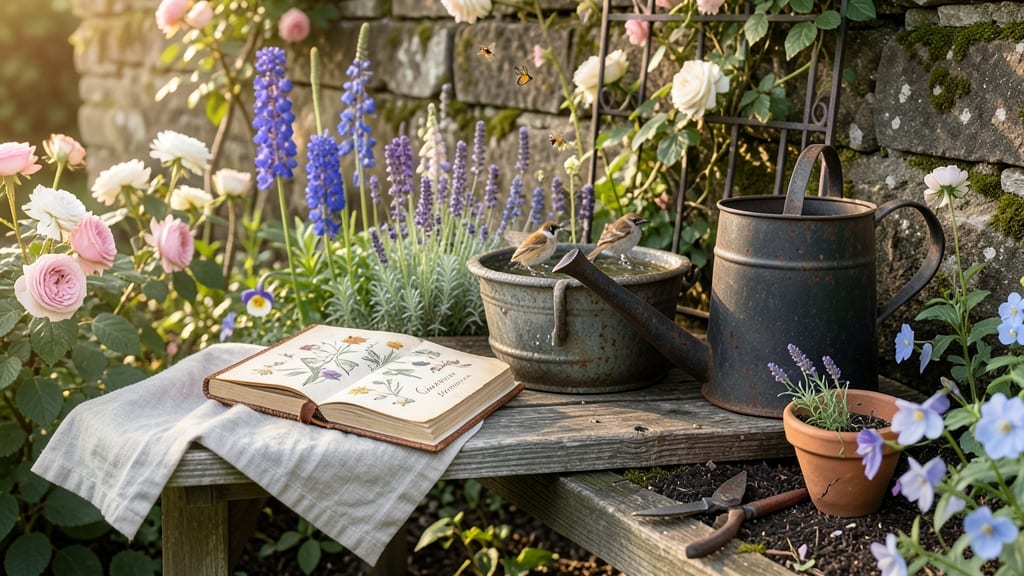
💥 Quick Answer An English garden creates a romantic, naturalistic landscape through wildflower meadows, meandering pathways, and layered plantings that mix structured and freeform elements. Its beauty lies in seasonal…
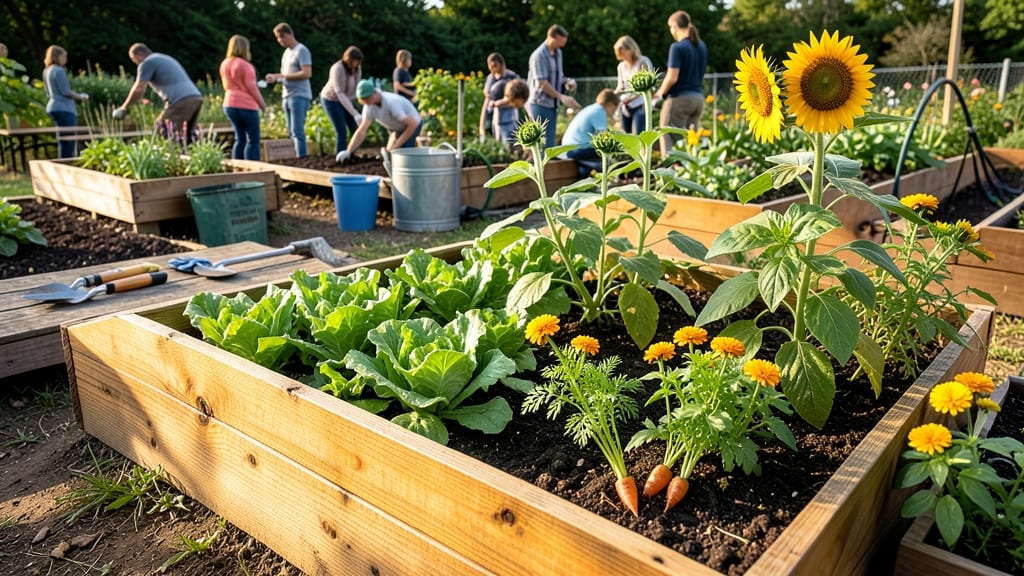
💥 Quick Answer Community gardening is a collaborative effort where groups cultivate shared plots to grow produce, flowers, and herbs, creating stronger neighborhoods and healthier ecosystems. These spaces often rely on…
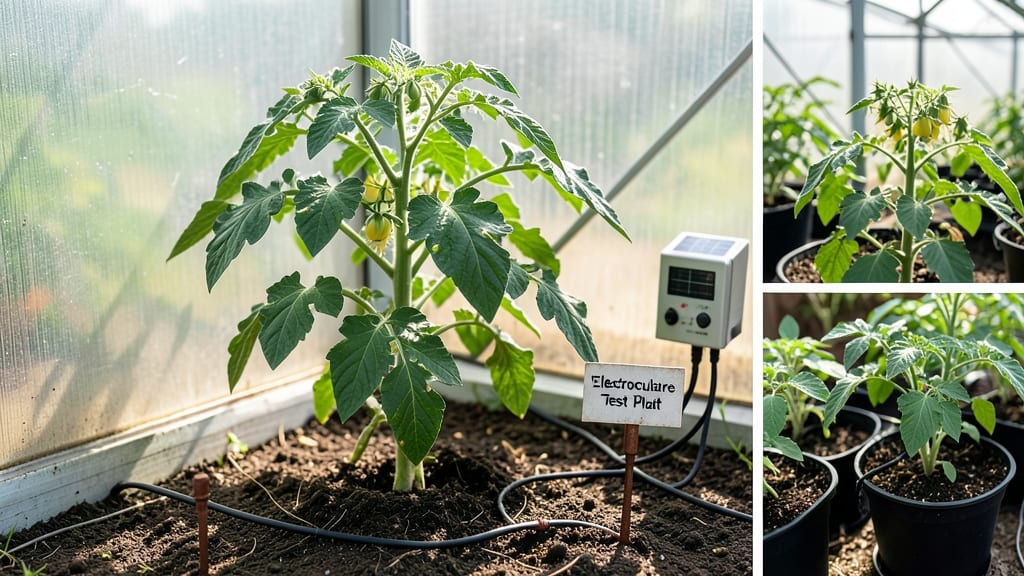
💥 Quick Answer Electroculture gardening is a technique that uses low-voltage electric fields to stimulate plant growth, boost root development, and enhance nutrient uptake by mimicking natural bioelectrical signals in…
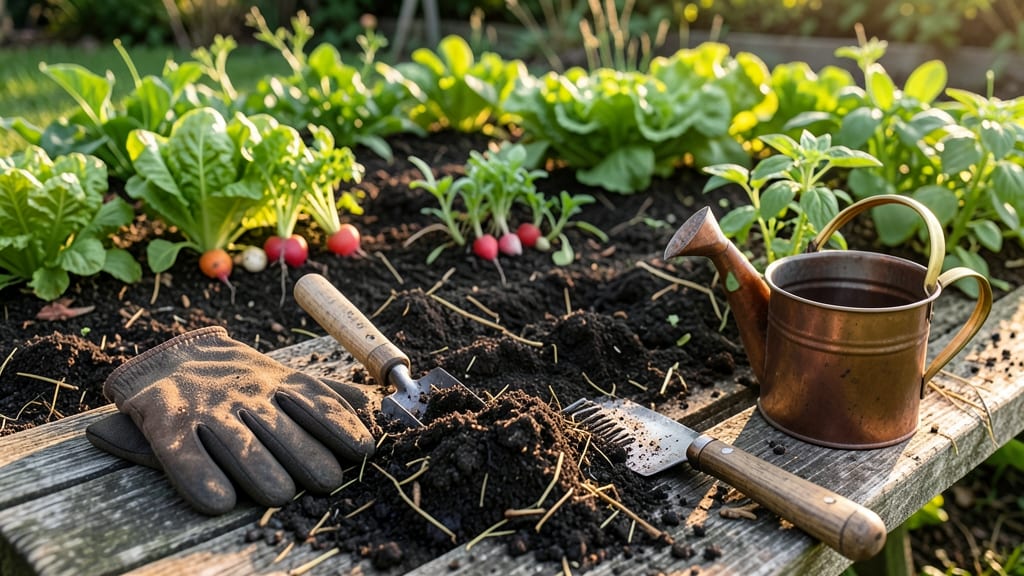
💥 Quick Answer Garden soil is used as a nutrient-rich growing medium for plants, providing essential minerals, water retention, aeration, and microbial support that foster root development and healthy growth. Its…
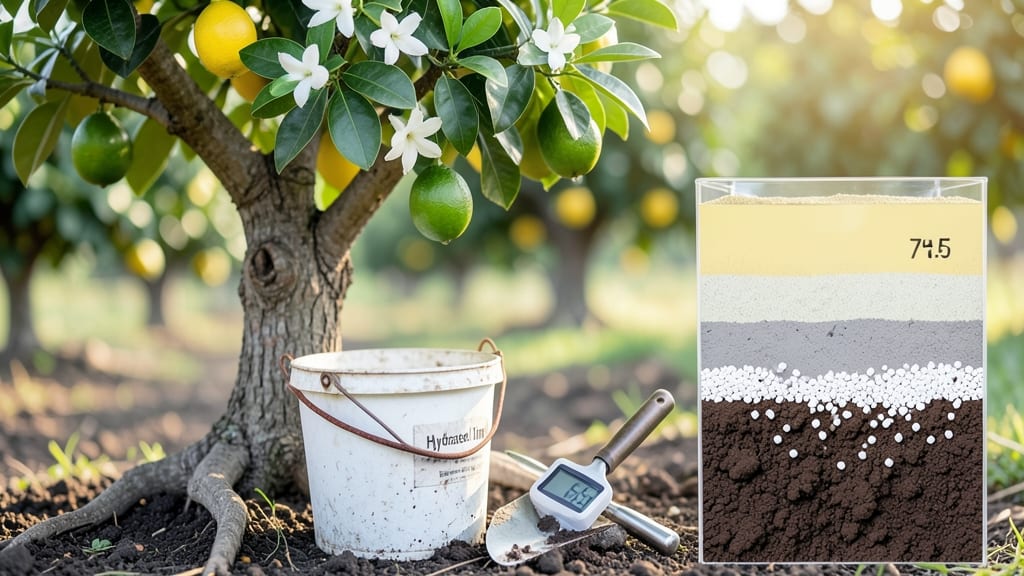
💥 Quick Answer Lime in gardening is used to raise soil pH levels, neutralizing acidity in clay or sandy soils for acid-sensitive plants like blueberries, azaleas, and vegetables. It also deters pests like slugs and…
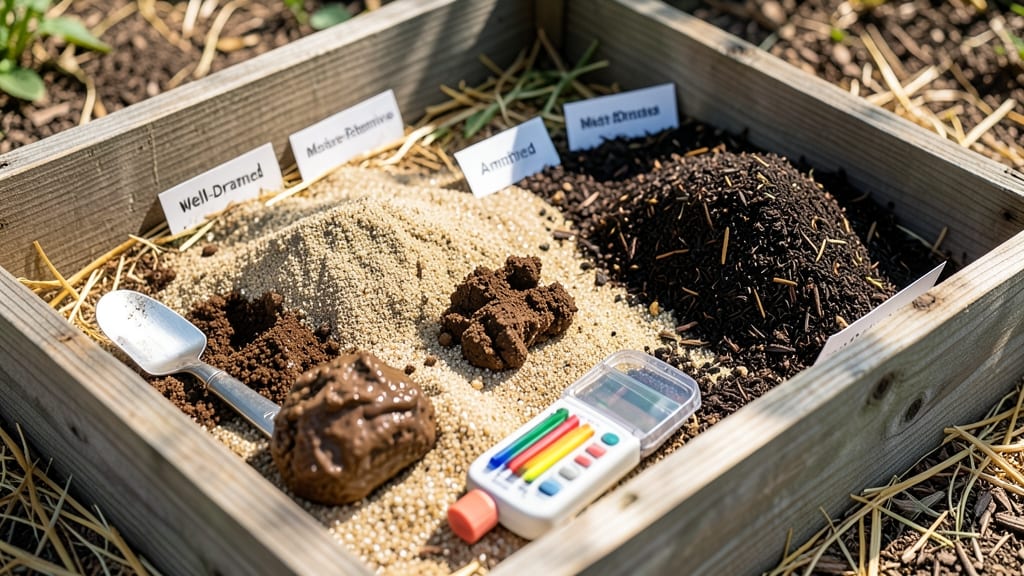
💥 Quick Answer For garden beds, the best soil to use is well-draining loam—a balanced mix of sand, silt, and clay that retains moisture while allowing roots to thrive. Adjust texture by amending heavy clay with compost…