My childhood summers were spent knee-deep in my grandfather’s vegetable garden, where he taught me that the best lessons come from the soil. I started this site because I believe gardening should be as much about joy as it is about growth—whether you’re a seasoned green thumb or someone who just wants a few herbs to spice up their meals. Here, you’ll find practical tips, honest advice, and a little bit of the wonder I still feel every time I watch a seedling push through the dirt.
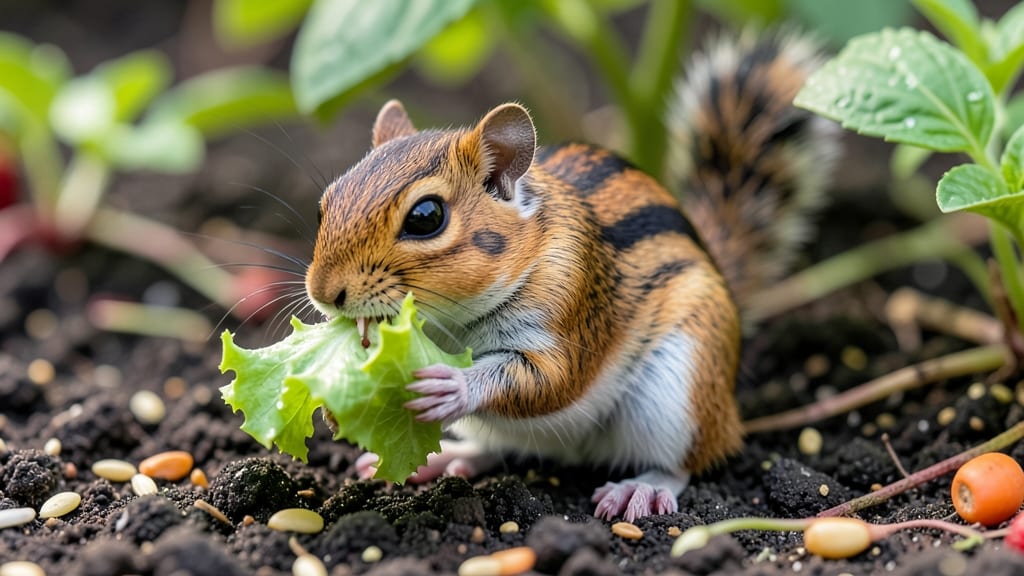
💥 Quick Answer Yes, chipmunks will eat your garden, targeting seeds, fruits, vegetables, and even young plants, especially during spring and summer when food is scarce. Their burrowing habits also damage roots and soil…
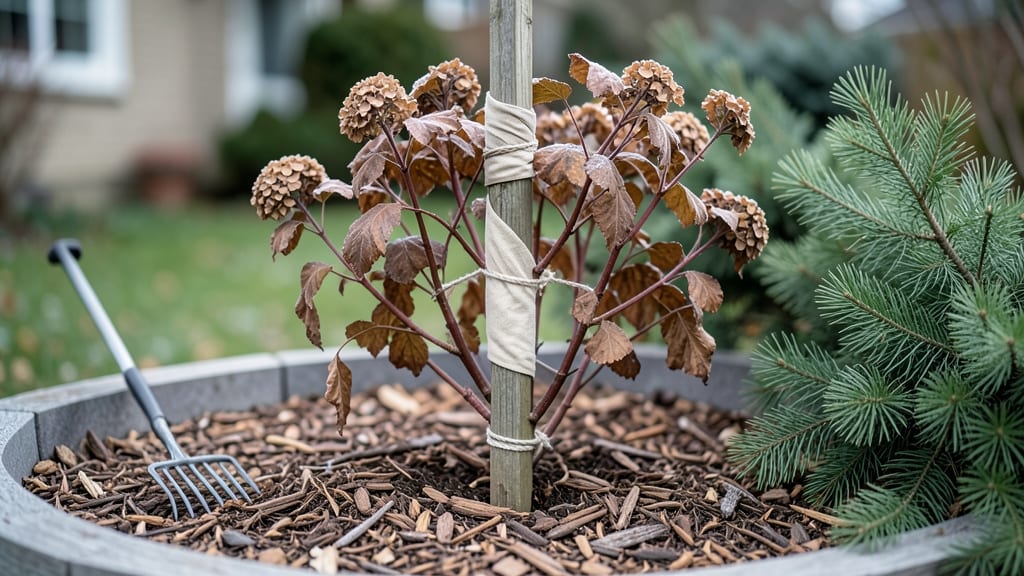
Winter protection for your garden is all about shielding General Garden Plants 🌱 from frost while keeping them healthy until spring. Freezing temperatures don’t have to mean the end of your garden—with the right…
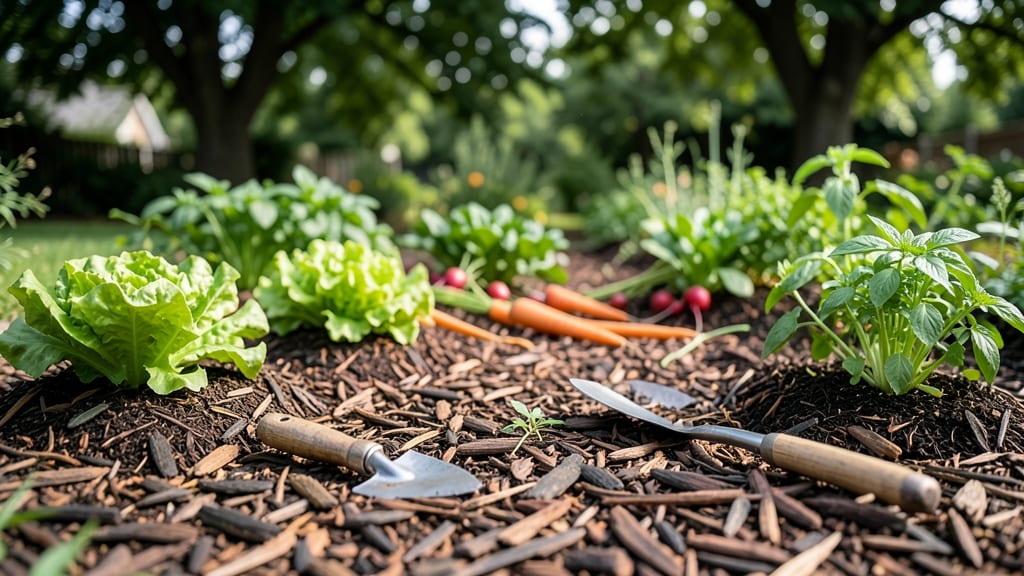
💥 Quick Answer Wood chips on vegetable gardens boost soil health by adding organic matter, locking in moisture, and blocking weeds while decomposing to nourish plants over months. Spread 2-4 inches in early spring or…
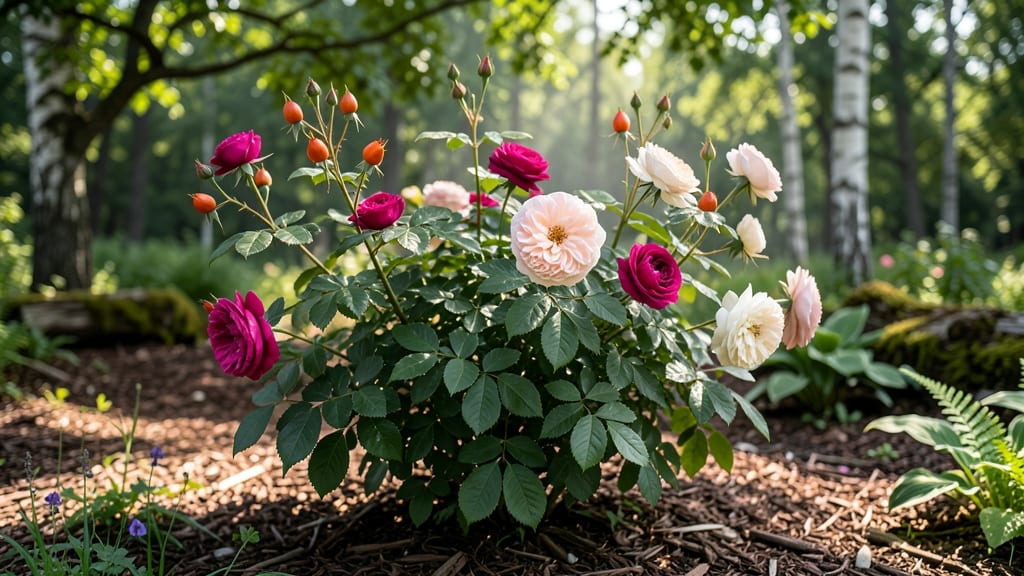
💥 Quick Answer The Woodland Park Rose Garden at North 50th Street in Seattle, WA, is a 1.5-acre botanical gem open daily from dawn to dusk, with free admission. Peak bloom occurs in June and July, featuring over 200…
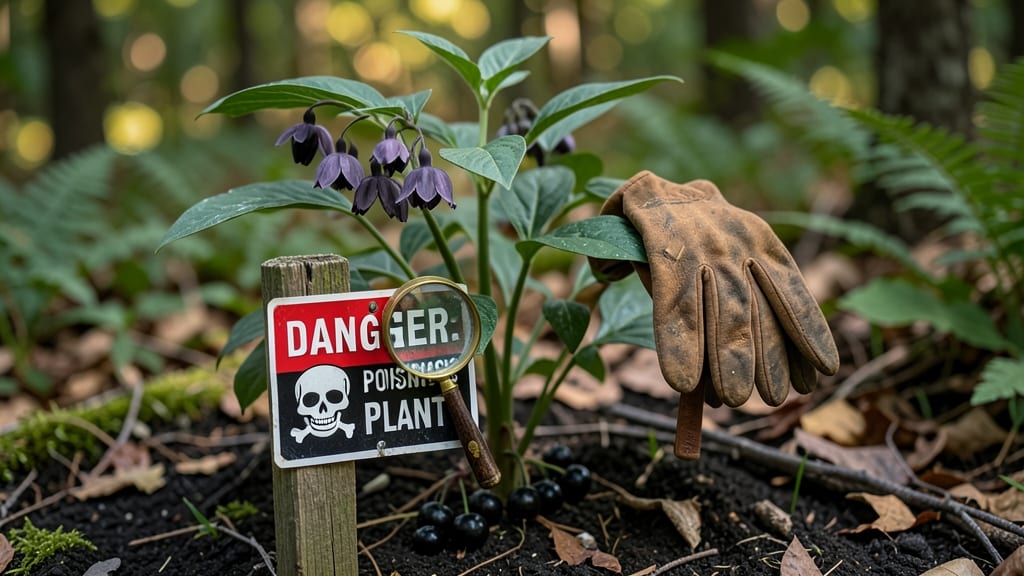
💥 Quick Answer The world's deadliest gardens contain lethal flora like castor beans, oleander, and deadly nightshade, packed with ricin, cardiac glycosides, and alkaloids that can be fatal through ingestion, skin…
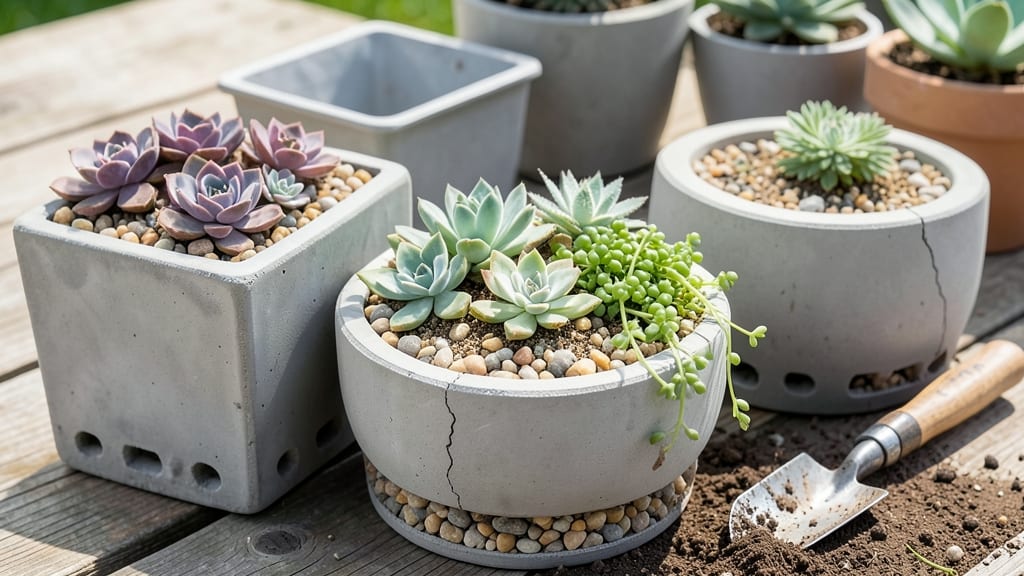
💥 Quick Answer Using garden pots made of cement gives you heavy-duty containers that resist weathering and insulate roots, but you must modify them for drainage and choose plants that won't stress the material. Adding…
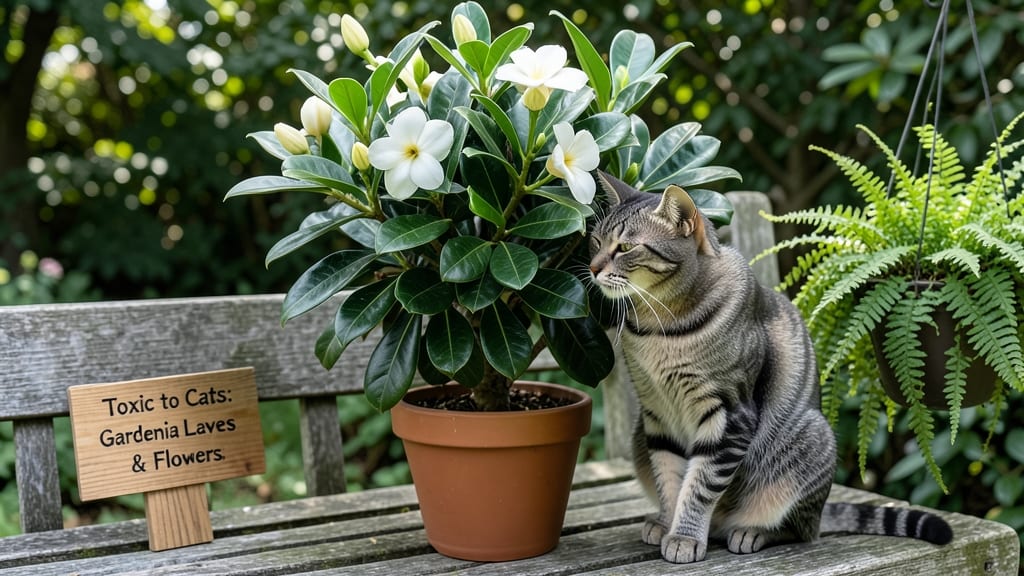
💥 Quick Answer Gardenias are poisonous to cats because their leaves, flowers, and stems contain toxic compounds like saponins and essential oils, which can trigger vomiting, drooling, and lethargy if chewed or ingested…
💥 Quick Answer Gardeners in Zones 7-10 can start planting seeds and bulbs now, with cool-season crops like lettuce and peas thriving in early sowings. Warmer climates (Zones 9-10) should prioritize heat-resistant bulbs…
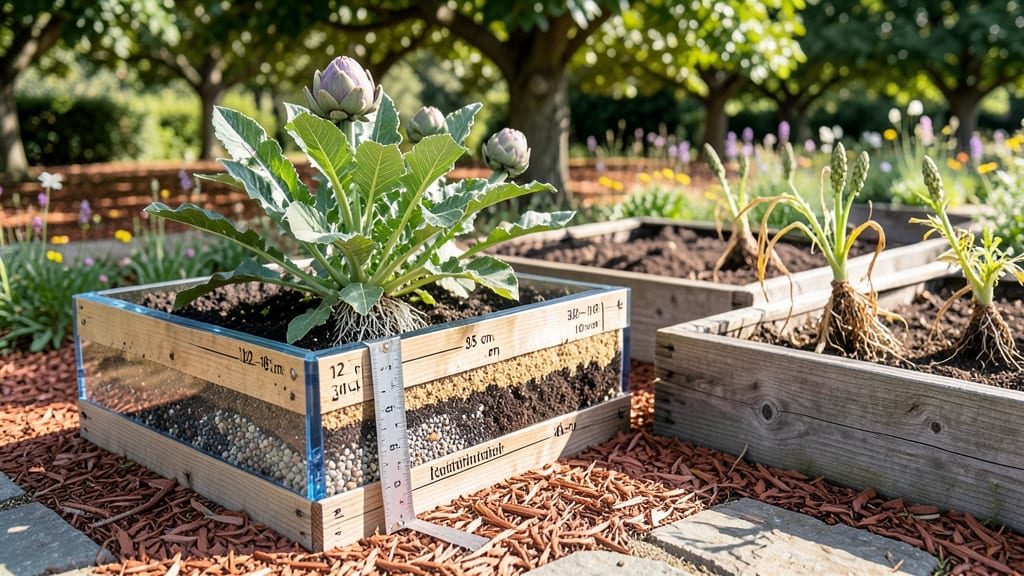
💥 Quick Answer Determining optimal raised garden bed depth depends on your plants' root systems: most vegetables thrive in beds 6 to 12 inches deep, balancing root space with drainage, while deeper beds (18+ inches)…