My childhood summers were spent knee-deep in my grandfather’s vegetable garden, where he taught me that the best lessons come from the soil. I started this site because I believe gardening should be as much about joy as it is about growth—whether you’re a seasoned green thumb or someone who just wants a few herbs to spice up their meals. Here, you’ll find practical tips, honest advice, and a little bit of the wonder I still feel every time I watch a seedling push through the dirt.
💥 Quick Answer A Wisconsin gardening calendar helps you time plantings and harvests perfectly by following the state’s unique hardiness zones (4a-6b), starting with cool-season crops like spinach in early spring…
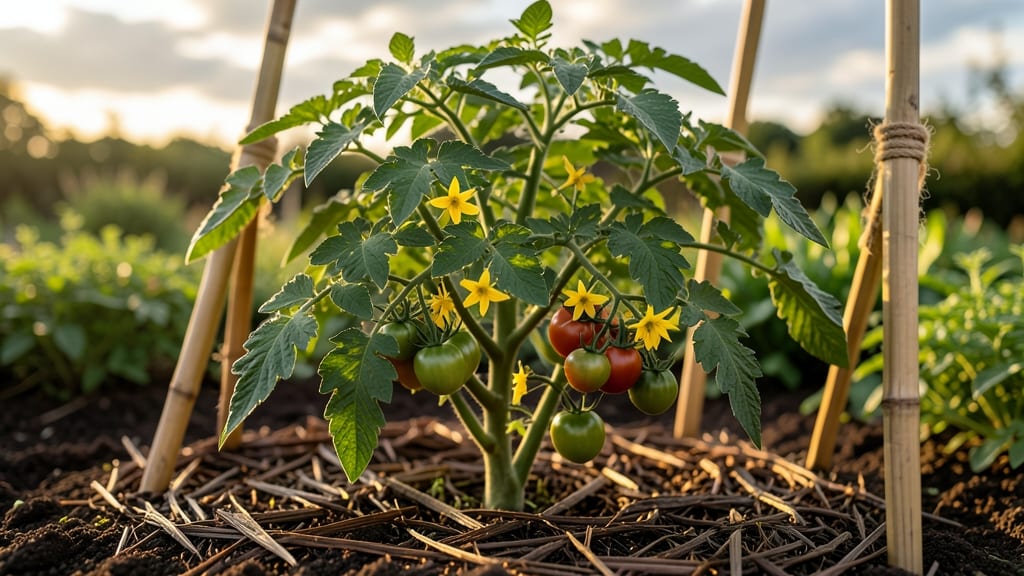
💥 Quick Answer A tomato garden in Vernon, NJ, thrives when planted in USDA Zone 6b, where the last spring frost typically occurs around mid-April and the first fall frost arrives by mid-November. Transplant seedlings…
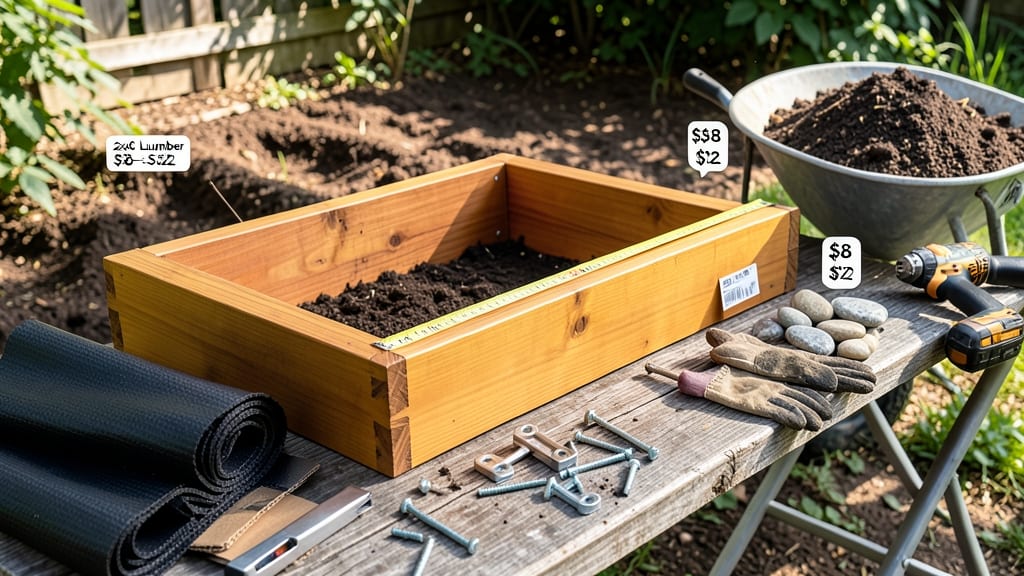
💥 Quick Answer The cost to make a raised garden bed ranges from $100 to $500, depending on size (4’x8’ beds typically cost $150–$300), lumber type (cedar or redwood is pricier than pine), and whether you build it…
💥 Quick Answer Gardening facts reveal soil microbes boost plant growth by 40%, compost improves water retention 3x longer than synthetic fertilizers, and most plants thrive with 6-8 hours of sunlight daily—contrary to…
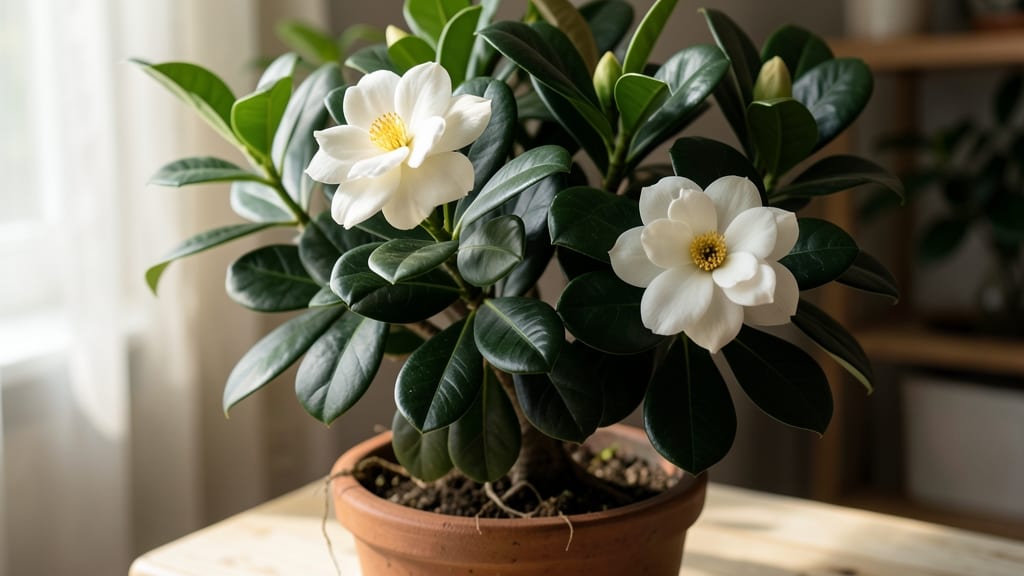
💥 Quick Answer Indoor gardenia plants offer remarkable benefits by purifying the air through toxin filtration and emitting a soothing fragrance that lowers stress and anxiety levels, creating healthier and more relaxing…
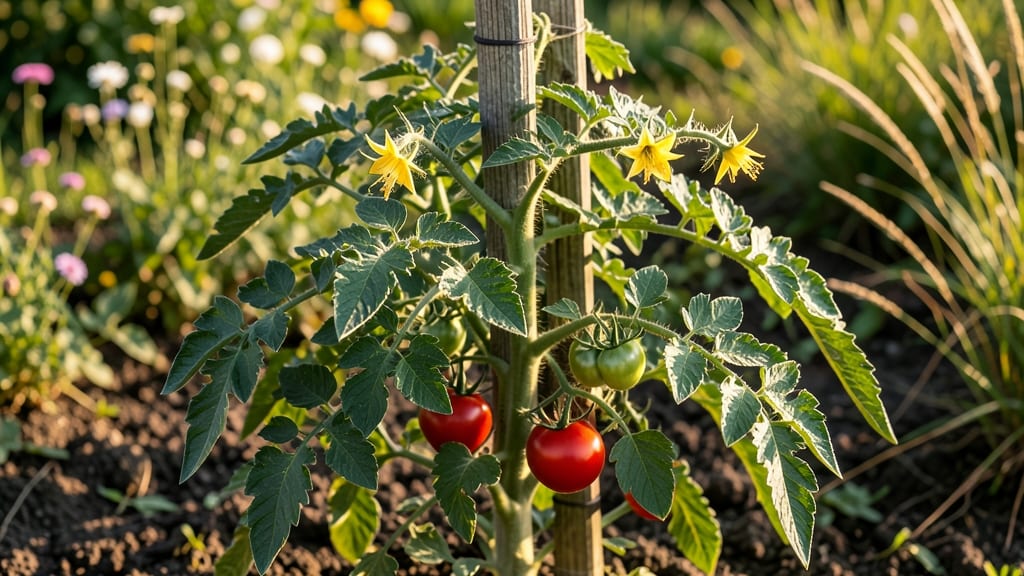
💥 Quick Answer To place tomatoes in your garden, choose sunny spots with 6-8 hours of direct sunlight daily, rich well-draining soil, and space plants 18-24 inches apart. Provide sturdy support like cages or stakes, and…
💥 Quick Answer Gardening in Virginia requires smart planning based on your zone and frost dates: coastal areas can start planting as early as late March, while inland regions wait until mid-April, with heat-loving crops…
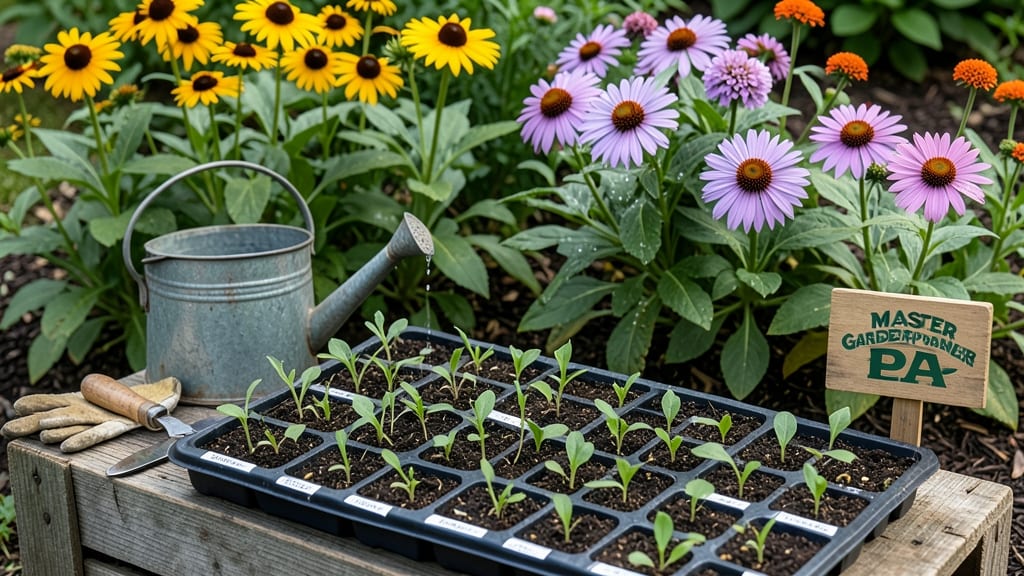
💥 Quick Answer The Pennsylvania Master Gardener Program trains volunteers in horticulture to strengthen local communities, requiring a fee, background check, and basic gardening knowledge. The 120+ hour training program…
💥 Quick Answer To determine your Arizona gardening zone, consult the USDA Plant Hardiness Zone Map, as Arizona spans Zones 6b through 11a due to dramatic elevation shifts and desert microclimates. These zones directly…
💥 Quick Answer Gardening in Northern California thrives when you match plants to microclimates like coastal fog belts, inland heat zones, and mountain chill—using drought-tolerant natives, smart watering, and mulch to…